Why Does My Kitchen Smell Like Burnt Food When Nothing Is Burning? Causes and Easy Solutions
That unsettling burnt smell lingering in your kitchen when you’re not even cooking can make you anxious and leave you searching for a fire that isn’t there.
TL;DR
A burnt food smell with no active cooking usually comes from built-up grease and food residue on your stovetop, oven, or range hood that slowly burns from residual heat or during preheating cycles . Other causes include faulty appliance components, dirty heating elements, or even external factors like nearby construction . The fix involves deep cleaning your oven, stovetop, and exhaust system, plus checking for appliance issues like worn-out fan motors or wiring .
Key Takeaways
- Grease buildup is the #1 culprit: Old spills and splatters burn when your oven or stovetop heats up, releasing that burnt smell .
- Self-cleaning cycles create burnt odors: Running your oven’s self-clean feature burns off debris, which naturally produces smoke and smell .
- Appliance issues can be the cause: A failing fan motor, overheating compressor, or faulty wiring can produce a burnt electrical smell .
- External sources exist: Neighbors cooking, nearby construction, or even outdoor fires can bring burnt smells into your kitchen .
The Real Causes Behind a Burnt Smell When Nothing Is Burning
Before you panic, let’s walk through the most common reasons your kitchen smells like something’s burning when nothing’s actually on fire.
Why Grease and Residue Create That Burnt Smell
The most common cause is simply old, baked-on food and grease. Here’s how it works:
- Residual heat: Even after you turn off your oven or stovetop, the appliance stays hot for a while. This residual heat can slowly bake old spills and splatters, releasing that burnt smell .
- Preheating cycles: When you turn on your oven, it heats up quickly. Any food residue left inside will start to burn almost immediately .
- Drip pans and burners: On electric stoves, the metal drip pans under the burners catch spills. Over time, these spills burn and create odors every time you use that burner .
- Hidden grease: Grease can splatter onto the walls, ceiling, and cabinets near your stove. When your kitchen warms up, it can release that burnt smell .
Appliance Problems That Smell Like Burnt Food
Sometimes the smell isn’t from food at all but from an appliance issue:
| Appliance | Problem | Smell Description |
|---|---|---|
| Oven | Faulty heating element | Burnt electrical or plastic smell |
| Range hood | Worn-out fan motor | Hot, metallic, or burning dust smell |
| Refrigerator | Overheating compressor | Hot, electrical smell |
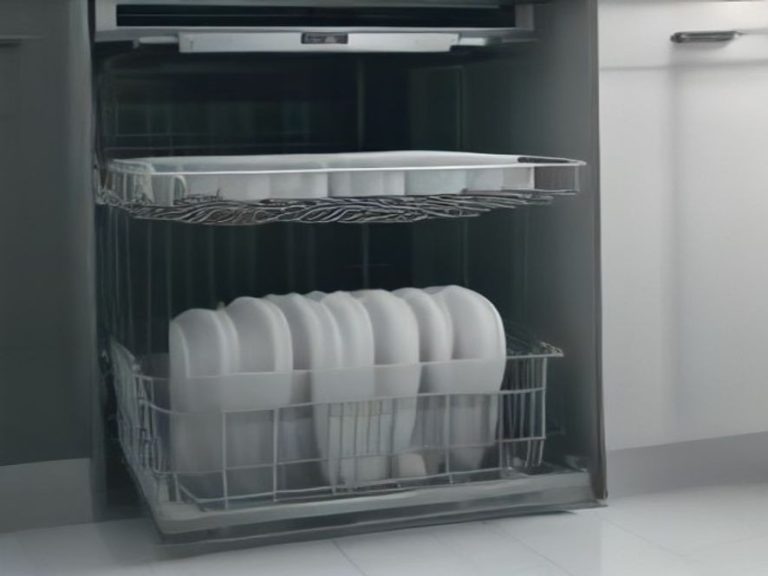
| Dishwasher | Food trapped in filter | Burnt food smell from heated drying |
| Microwave | Burnt diode or magnetron | Sharp, electrical, or burning plastic smell |
External Factors That Can Cause Burnt Smells
Sometimes the source isn’t in your kitchen at all:
- Neighbor’s cooking: Apartment dwellers often experience smells traveling through shared vents .
- Outdoor fires: Neighborhood bonfires or wildfires can bring smoky smells inside .
- Construction: Nearby roadwork or building projects can produce burnt or chemical odors .
- HVAC system: Your heating and cooling system can pull in outdoor smells and circulate them throughout your home .
A Step-by-Step Guide to Eliminating That Burnt Smell
This comprehensive approach will help you identify and eliminate the source of that burnt odor.
Step 1: Check the Obvious First
Before you deep clean everything, rule out the simple explanations:
- Did you leave something on? Double-check that all burners and the oven are off .
- Was the self-clean cycle running? The self-clean cycle burns off food residue and naturally produces smoke and smell .
- Did you recently use the oven? The smell might just be residual heat burning off old spills .
- Is there food stuck in the toaster? Crumbs can burn and create a burnt smell .
Step 2: Deep Clean Your Oven
Your oven is the most likely source of that burnt smell :
- Remove oven racks: Take out all racks and wash them in warm, soapy water .
- Make a baking soda paste: Mix baking soda with a little water to form a spreadable paste .
- Apply and let sit: Spread the paste over the interior surfaces, focusing on the bottom and walls. Let it sit for 12-24 hours .
- Scrub and wipe: Use a damp cloth to scrub away the paste and loosened grime .
- Rinse and dry: Wipe clean with a damp cloth and dry thoroughly .
- Run a short heat cycle: Set your oven to 250°F for 15-20 minutes to burn off any remaining residue .
Step 3: Clean Your Stovetop and Range Hood
Don’t forget these common culprits:
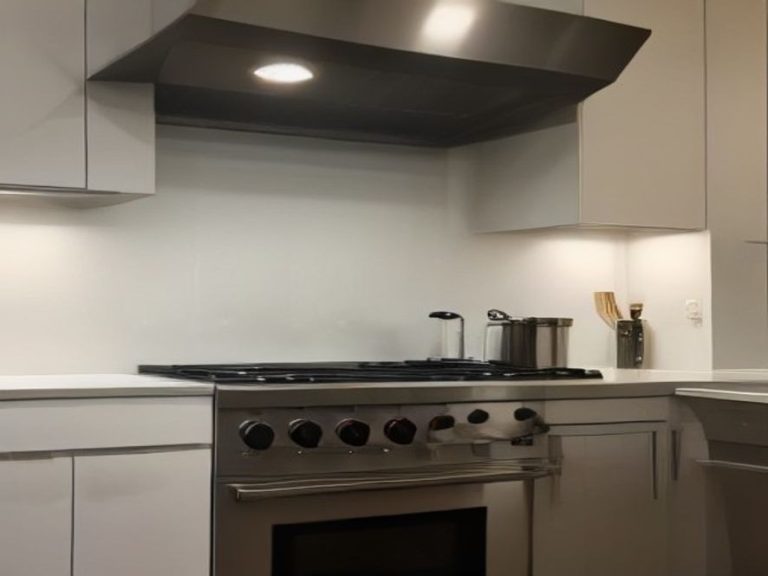
- Stovetop: Remove and clean all burner grates, drip pans, and caps. Soak them in hot, soapy water to dissolve grease .
- Range hood filter: Remove the filter and soak it in hot water with dish soap or baking soda .
- Hood exterior: Wipe down the underside and exterior of the hood with a degreaser .
- Walls and cabinets: Wipe down nearby walls and cabinet fronts to remove grease splatters .
Step 4: Check for Appliance Issues
If the smell persists after cleaning, investigate your appliances:
- Listen for unusual noises: A grinding or whining sound from your range hood or refrigerator could indicate a failing motor .
- Check for visible damage: Look for melted wires, scorch marks, or unusual wear .
- Smell near the appliance: Is the smell strongest near the back of the refrigerator or underneath the dishwasher?
- Always unplug appliances before cleaning or repairing them.
Step 5: Use Natural Odor Absorbers
Once you’ve addressed the source, tackle lingering odors:
| Item/Method | Purpose | How to Use |
|---|---|---|
| Baking Soda | Absorbs and neutralizes odors | Leave an open box on the counter |
| White Vinegar | Neutralizes airborne odors | Place bowls around the kitchen overnight |
| Activated Charcoal | Traps odor molecules | Place bags in corners |
| Lemon Boil | Creates fresh scent | Boil lemon slices and water for 15 minutes |
| Simmer Spices | Replaces odor with pleasant scent | Simmer cinnamon sticks and cloves |
Step 6: Ventilate Your Kitchen
Sometimes the smell is just trapped in the air :
- Open windows and doors: Create a cross-breeze to flush out stale, smoky air .
- Use fans: Place a box fan in a window facing outward to pull smoke out .
- Run your vent fan: Always run your range hood during and after cooking .
“Most kitchen problems come from small maintenance habits that are often ignored.” Regular cleaning prevents grease buildup and bad odors.
How to Prevent Burnt Smells in the Future
Prevention is always easier than deep cleaning. Here’s how to keep your kitchen smelling fresh:
- Wipe spills immediately: A quick wipe prevents burnt-on residue later .
- Clean your oven monthly: Even a quick wipe-down can prevent buildup .
- Use a splatter screen: When frying, a screen prevents grease from escaping .
- Replace range hood filters: Change charcoal filters every 6-12 months .
- Schedule appliance maintenance: Have your appliances checked annually .
Frequently Asked Questions
Why does my kitchen smell like burnt food when I haven’t cooked anything?
The smell is likely from old grease and food residue in your oven, stovetop, or range hood that slowly burns over time . It could also be an appliance issue like a failing motor or heating element .
Can a dirty oven make my kitchen smell like smoke?
Yes, burned-on food and grease inside the oven release smoke and odor whenever the oven heats up .
What does a burning electrical smell in the kitchen mean?
It could indicate a faulty heating element, worn wiring, or an overheating appliance. Unplug the appliance and call a professional .
How do I get rid of a burnt smell in my kitchen quickly?
Open windows, run your range hood, and place bowls of white vinegar around the room .
Is it safe to use my oven if it smells like burnt plastic?
No, a burnt plastic smell may indicate melting wires or insulation. Turn off the appliance and have it inspected .
How often should I clean my oven to prevent burnt smells?
A thorough cleaning every 3-6 months is recommended, with quick wipe-downs after heavy use .
Can my refrigerator cause a burnt smell?
Yes, if the compressor or fan motor is overheating. Unplug it and call a repair technician .
Sources and references for kitchen appliance maintenance and odor control:
- EPA – Kitchen Ventilation and Indoor Air Quality
- HouseLogic – Kitchen Smoke Prevention
- Mayo Clinic – Indoor Air Quality and Health
- American Cleaning Institute – Kitchen Cleaning Tips
Which kitchen problem do you want solved next? Share your thoughts in the comments.