How to Set Up a Kitchen From Scratch Without Overspending: A Complete Guide
That first walk through the kitchen aisle can feel overwhelming when you realize just how much stuff you need to cook a simple meal.
You stand there staring at rows of knives, pans, and gadgets, wondering which ones you actually need and which ones will just collect dust. The good news? Setting up a kitchen from scratch doesn’t have to drain your bank account. With a smart plan and a focus on what truly matters, you can build a functional cooking space that serves you well for years to come.
TL;DR
Starting a kitchen on a budget means buying less but buying right. Focus on a few high-quality essential tools like a chef’s knife, a cast iron skillet, and a large pot instead of cheap sets that won’t last. Shop secondhand at thrift stores for items like mixing bowls and utensils. Build your pantry slowly around meals you actually cook. Add specialty gadgets only when you discover a real need.
Key Takeaways
- Buy core tools first – Chef’s knife, cutting board, skillet, pot, and sheet pan cover most cooking tasks
- Avoid pre-packaged sets – They often include low-quality items you won’t use
- Shop secondhand – Thrift stores offer quality kitchenware at about one-quarter the price of new
- Start with a small pantry – Rice, pasta, beans, and canned tomatoes form a flexible foundation
- Upgrade gradually – Add tools only as your cooking habits prove you need them
The Real Secret to Setting Up a Kitchen Without Overspending
The single biggest mistake people make when setting up a kitchen from scratch is buying too many cheap tools rather than a few good ones. A $10 nonstick pan that warps in six months actually costs more in the long run than a $30 one that lasts five years. The philosophy is simple: buy less, but buy right.
Why Starting With a Plan Saves Money
Before you spend a single dollar, think about what you actually cook. Do you make pasta twice a week? Then a good pot and colander matter more than a fancy blender. Do you eat eggs for breakfast every day? A reliable nonstick skillet becomes your most-used tool. Writing down five meals you want to cook regularly helps you buy only what you truly need.
Many experts recommend a “Rule of Three” approach for essential tools. For knives, you need an 8-inch chef’s knife, a paring knife, and a serrated bread knife. For cookware, focus on a large skillet, a medium saucepan, and a big stockpot. That’s it. These few pieces cover about 95% of all cooking tasks.
Essential Tools That Won’t Break Your Budget
The Core Three Cookware Items
10 or 12-inch skillet – Choose stainless steel or cast iron for your everyday workhorse. A Lodge 12-inch cast iron skillet costs about $30 and will last indefinitely if you care for it properly. This pan handles searing, sautéing, and oven-finishing with ease.
10-inch nonstick pan – Reserve this for eggs and delicate fish. Don’t spend more than $25 to $35, as nonstick coatings wear out and you’ll replace them every few years regardless.
Large pot (6 to 8 quart) – Perfect for pasta, soups, and boiling. A basic stainless steel stock pot runs $25 to $40 and serves countless meals.
Knives: You Only Need Two or Three
You absolutely do not need a 15-piece knife block with different knives for every task. An 8-inch chef’s knife handles about 90% of all cutting. The Victorinox Fibrox Pro chef’s knife costs around $40 to $50 and professional kitchens use it regularly. Add a small paring knife for about $10, and consider a serrated bread knife if you eat a lot of crusty loaves.
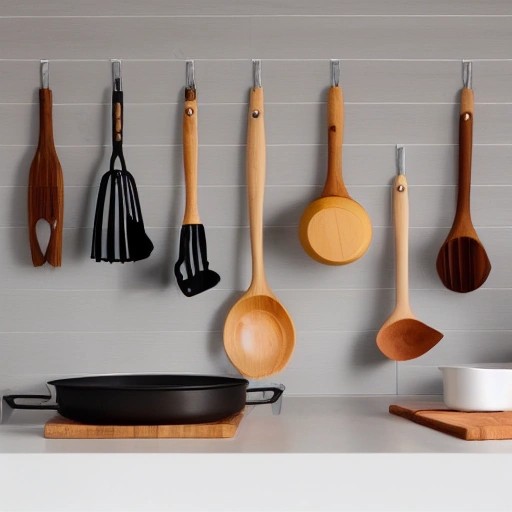
Skip the knife block and get a magnetic wall strip or knife guards for storage – this costs less and protects your blades better.
Cutting Boards and Prep Tools
Get two cutting boards: a large one for meat and a smaller one for vegetables and other foods. Use one exclusively for raw meat to prevent cross-contamination. Bamboo or plastic boards are affordable and easy to clean, with a good set costing about $25.
Measuring Tools That Actually Help
A set of dry measuring cups, a liquid measuring cup, and measuring spoons together cost about $24. A digital kitchen scale for about $12 to $15 is worth every penny for baking and portion control – it’s more accurate than cups and reduces dishwashing.
Shopping Secondhand: The Budget Saver
Many people overlook thrift stores when setting up a kitchen from scratch, but this is where serious savings happen. You can often buy kitchenware at thrift stores for about one-quarter of the price of new items. Mixing bowls, baking sheets, utensils, and storage containers are commonly available in good condition.
For example, equipping a basic first kitchen with a large skillet, saucepans with lids, mixing bowls, spatula, tongs, chef’s knife, cutting board, wooden spoons, and basic dinnerware for four can cost less than $50 at thrift stores.
Safety reminder: Always inspect secondhand items carefully. Look for cracks, rust, or damage that could affect performance or safety. For knives and nonstick pans, check condition thoroughly – damaged surfaces can be dangerous.
Building Your Pantry Without Overspending
The Flexible Staples Approach
A budget-friendly pantry starts with items that help you turn fresh ingredients into meals. Focus on:
Grains and carbs: Rice, pasta, oats
Proteins: Beans, lentils, canned tuna or salmon
Canned goods: Tomatoes, broth
Oils and acids: Neutral cooking oil, olive oil, vinegar
Basic seasonings: Salt, black pepper, garlic powder, onion powder, chili flakes
What to Skip Initially
Large spice collections and specialty flours or sauces can wait. Buy rare ingredients only when a recipe repeats often enough to justify the purchase. The same goes for single-use gadgets – if it only does one thing, ask yourself how often you’ll really use it.
Smart Appliance Choices for First Kitchens
When it comes to appliances, multi-use options save both money and counter space. An immersion blender costs less than a full-sized blender, takes up minimal space, and handles soups, sauces, and smoothies well. Many experts recommend this over a traditional blender for first kitchens.
An air fryer has become popular for good reason – it saves cooking time and uses less oil than traditional frying methods. It also works well for roasting vegetables and reheating leftovers.
Skip single-use appliances unless you’re certain you’ll use them regularly. A dedicated garlic press, avocado slicer, or egg cooker takes up space that could hold something more versatile.
Comparison Table: Cookware Options
| Item | Purpose | Effectiveness | Difficulty | Cost |
|---|---|---|---|---|
| Cast Iron Skillet | Searing, baking, frying | Excellent heat retention, lasts decades | Moderate care needed | $25–35 |
| Stainless Steel Pan | Everyday cooking, acidic foods | Even heating, non-reactive | Easy care | $30–50 |
| Nonstick Pan | Eggs, fish, delicate items | Works well, short lifespan | Very easy | $20–35 |
| Carbon Steel Pan | High-heat cooking | Lightweight, durable | Requires seasoning | $40–60 |
Step-by-Step: Building Your Kitchen in Phases
Phase One – The Absolute Basics (Under $150 total):
- 8-inch chef’s knife ($40–50)
- Paring knife ($10)
- Cutting boards ($25)
- 12-inch cast iron or stainless skillet ($30)
- 10-inch nonstick pan ($25)
- 6–8 quart stockpot ($25–40)
- Two sheet pans ($30)
- Measuring cups and spoons ($24)
- Basic utensils – spatula, wooden spoon, tongs, whisk ($25–40)
- Colander ($12–15)
- Mixing bowls ($15–25)
Phase Two – Add As Needed:
- Instant-read thermometer ($12–15) – removes guesswork from cooking meat
- Microplane grater ($12–15) – for zesting citrus and grating cheese
- Immersion blender ($25–40)
- Dutch oven ($30–80) – for braises and soups
Common Kitchen Setup Questions
What is the best way to set up a kitchen on a tight budget?
Start with a chef’s knife, cutting board, skillet, pot, and sheet pan – these tools handle most cooking tasks. Buy secondhand whenever possible and skip specialty gadgets until you know you need them.
How much should I spend on basic kitchen tools?
A functional starter kitchen with essential tools typically costs $150 to $200 for everything. Spending more on quality items like a good chef’s knife saves money over time because they last longer.
What kitchen tools are worth spending extra on?
A chef’s knife and cookware deserve the biggest investment. Cheap pans warp easily, and dull knives are dangerous. Look for tri-ply stainless steel or cast iron that will last for years.
Where can I find affordable kitchen equipment?
Thrift stores offer the best deals – often one-quarter of retail prices. Online marketplaces and discount stores also provide good options for new items.
What should I avoid buying when setting up a kitchen?
Skip pre-packaged cookware sets, single-use gadgets, and large spice collections initially. These items often cost more than buying individually and fill cabinets with things you rarely use.
How do I build a pantry without wasting money?
Stock versatile staples like rice, pasta, beans, canned tomatoes, and basic seasonings first. Buy only what matches meals you actually cook, and avoid bulk purchases that may go bad before you use them.
Chart: Smart Kitchen Budget Allocation
Below is a visual breakdown of where your kitchen budget should go for maximum value:
Final Thoughts: Start Simple, Grow Smart
Setting up a kitchen from scratch without overspending isn’t about finding the perfect shopping list – it’s about being honest with yourself about how you actually cook. A small, well-chosen collection of tools beats a cabinet full of items you rarely touch.
Remember that building a kitchen takes time. You don’t need everything on day one. Start with the meals you know you’ll make, buy quality versions of essential tools, and add new items only when your cooking habits prove you need them. Your wallet – and your cooking – will thank you.
“Most kitchen problems come from small maintenance habits that are often ignored. A little planning upfront saves money and frustration later.”
Which kitchen problem do you want solved next? Share your thoughts in the comments.
Practical Kitchen Setup Resources and Expert Advice: