Kitchen Surface Cleaning Guide: What to Use on Each Common Surface
That unpleasant sticky feeling on your kitchen counters or the dull film on your cabinets can quickly make your cooking space feel less inviting.
You walk into your kitchen after a long day. You just want to make a simple dinner, but the countertops are covered in stains from last night’s pasta sauce. The stainless steel refrigerator is smudged with fingerprints. And you have no idea which cleaner to grab without causing damage. Sound familiar? You are not alone.
The kitchen is the hardest-working room in your home. It’s where we prep meals, gather with family, and clean up countless messes. But every surface has different needs. Using the wrong cleaner can ruin your countertops or leave your appliances looking worse than before. This guide breaks down exactly what to use on each common kitchen surface, so you can clean with confidence and keep your kitchen looking its best.
TL;DR
- Match the cleaner to the surface. Granite needs pH-neutral soap, while stainless steel needs special polish or vinegar.
- Baking soda and dish soap are your best friends for tackling tough grease and stains on most surfaces.
- Never use vinegar or acidic cleaners on natural stone like marble or granite. It will etch the surface.
- Clean and sanitize are two different steps. Always clean away dirt first, then sanitize food-contact surfaces.
- Regular maintenance is easier than deep cleaning. Wipe down counters daily and tackle spills immediately.
Key Takeaways
- Natural Stone (Granite/Marble): Use mild dish soap and water. Avoid vinegar, bleach, and abrasive pads .
- Stainless Steel: Clean with a dedicated stainless steel cleaner, mineral oil, or a vinegar-water solution. Always wipe in the direction of the grain .
- Butcher Block/Wood: Wash with mild soap and water, then dry immediately. Sanitize with a diluted bleach solution and oil regularly to prevent cracking .
- Laminate/Ceramic Tile: Use dish soap or a baking soda paste for tough stains. Avoid harsh scrubbers that can scratch .
- Quartz: Clean with a mild soap and water solution. Use Bar Keepers Friend for stubborn stains .
The Real Causes Behind Common Kitchen Cleaning Problems and How to Fix Them
Your kitchen surfaces get dirty because of daily life. Grease splatters from cooking. Water spots from washing hands and produce. Stains from coffee, wine, and tomato sauce. The key to a clean kitchen is using the right approach for each material.
Why Kitchen Counters Get Stained and How to Fix Them
Countertops are the busiest part of your kitchen. They see everything from raw meat to hot pots. This constant use leads to stains, grease buildup, and bacteria.
For Natural Stone (Granite, Marble, Quartzite):
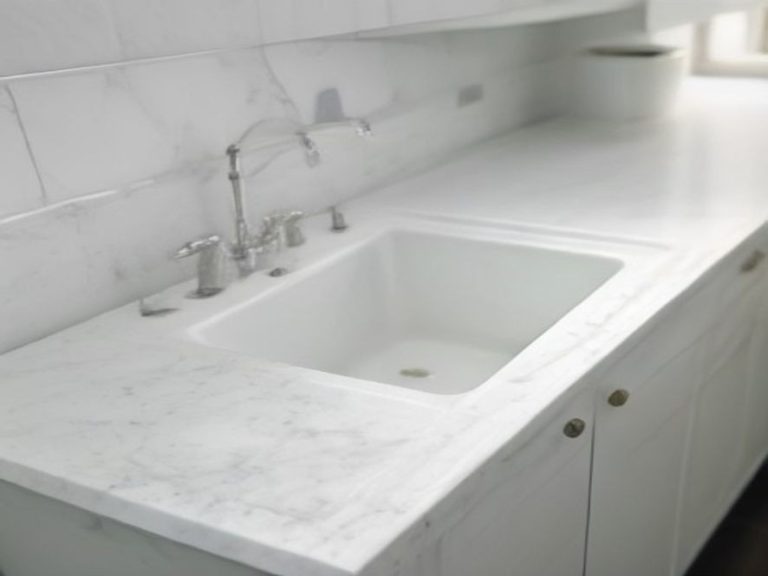
These are beautiful but delicate. They are porous, meaning liquids can soak in if not sealed properly . The best way to clean them is with a mild, pH-neutral dish soap mixed with warm water. Use a soft microfiber cloth to wipe down the surface daily.
If you have stubborn stains, make a paste of baking soda and water. Apply it to the spot and let it sit for a few minutes. Gently scrub with a soft brush or cloth, then wipe clean .
Important: Never use vinegar, lemon juice, or other acidic cleaners on natural stone. These will etch the surface, leaving dull spots that cannot be fixed without professional help .
For Quartz:
Quartz is more durable than marble and granite and does not need sealing. You can clean it with a similar mild soap and water mixture. For dried-on food or stains, a product like Bar Keepers Friend works well .
Pro Tip: Avoid using abrasive scrubbers on quartz. They can dull the surface over time.
For Butcher Block and Wood:
Wood is porous and absorbs liquids quickly. Always wipe up spills immediately. To sanitize a butcher block, use a bleach- or alcohol-based solution to kill bacteria .
- Deep Clean Method: Sprinkle coarse salt on the surface. Rub it with a halved lemon to lift stains and remove odors. Rinse and dry thoroughly .
- Maintenance: Once a month, apply a food-grade mineral oil to protect the wood from cracking and staining .
Cleaning Stainless Steel Appliances Without Streaks
Stainless steel is a popular choice for refrigerators, ovens, and dishwashers. It looks sleek but shows every fingerprint and water spot.
The key to cleaning stainless steel is going with the grain. Look closely at the steel. You will see tiny lines running in one direction. Always wipe in that direction to avoid streaks and scratches.
Solutions for Stainless Steel:
- Mineral Oil: A few drops on a microfiber cloth can remove fingerprints and add shine .
- Vinegar and Water: Mix equal parts distilled white vinegar and water in a spray bottle. Spritz on the surface and wipe with a soft cloth to remove water spots and grime .
- Flour: For a truly polished look, apply a bit of flour after cleaning the stainless steel. Rub it in small circles with a dry rag to buff to a gleam .
- Commercial Cleaners: These are also effective and often formulated to leave a protective layer that resists smudging.
What not to do: Do not use abrasive cleaners or scrubbers on stainless steel. They will scratch the finish.
How to Clean Kitchen Cabinets and Backsplashes
Cabinets collect grease and grime, especially those near the stove. A regular cleaning schedule is essential.
- Weekly: Wipe down cabinet fronts with a soft sponge and warm, soapy water .
- Tough Grease: For stubborn grease on wood cabinets, a mixture of warm water and dish soap works wonders. The surfactants in dish soap are excellent at breaking down grease .
- Backsplashes: These can be cleaned similarly to countertops. If you have tile backsplash, pay special attention to the grout. Use a small brush (an old toothbrush works great) and a baking soda and water paste to scrub away stains .
Safety Reminder: Always test any cleaning solution on a small, hidden area of your cabinets before using it on the entire surface.
Comparison Table: Kitchen Surface Cleaners
| Surface | Best Cleaning Method | Effectiveness | Difficulty Level | Cost |
|---|---|---|---|---|
| Granite/Marble | Mild dish soap + water | High for daily cleaning | Easy | Low |
| Granite/Marble (Stains) | Baking soda + water paste | High for oil/grease stains | Medium | Low |
| Quartz | Mild dish soap + water | High | Easy | Low |
| Quartz (Stubborn) | Bar Keepers Friend | High | Easy | Low |
| Stainless Steel | Vinegar + water solution | High for water spots | Easy | Low |
| Stainless Steel (Polish) | Mineral oil or flour | High for shine/fingerprints | Easy | Low |
| Butcher Block | Mild soap + water | High | Easy | Low |
| Butcher Block (Sanitize) | Bleach/alcohol solution | High for bacteria | Easy | Low |
| Laminate | Mild dish soap + water | High | Easy | Low |
| Laminate (Tough) | Baking soda paste | High for sticky spots | Easy | Low |
| Ceramic Tile | Mild dish soap + water | High | Easy | Low |
| Tile Grout | Baking soda + vinegar paste | High for grime | Medium | Low |
Kitchen Cleaning Tips That Actually Work
Let’s look at some practical tips to make your cleaning routine more effective.
1. Clean Before You Sanitize
This is one of the most important rules. Cleaning removes dirt and grease. Sanitizing kills bacteria. You cannot sanitize a dirty surface. The food and grime will block the sanitizer from working. Always wash with soap and water first, then apply a sanitizer if needed .
2. Use the Right Tools
The tools you use matter just as much as the cleaner.
- Microfiber Cloths: These are excellent for almost every surface. They pick up dirt and bacteria without scratching. Use a color-coded system to prevent cross-contamination. For instance, use yellow cloths for general kitchen surfaces and blue cloths for the bathroom .
- Non-Scratch Scrub Pads: Perfect for sinks and stovetops, but avoid them on delicate surfaces like non-stick pans or polished stone .
- Stiff-Bristle Brush: Great for grout, drain grates, and oven racks .
3. The Baking Soda Superpower
Baking soda is a mild alkali. It cuts through grease, neutralizes odors, and acts as a gentle abrasive. It’s the MVP of kitchen cleaning.
- Oven: Make a paste with water and spread it inside the oven. Let it sit overnight to loosen baked-on food .
- Microwave: Heat a bowl of water with lemon juice in the microwave. The steam loosens splatters. Then wipe the interior clean with a soft cloth .
- Sink: Scrub your sink with a baking soda paste to remove stains and odors.
Chart: Natural Kitchen Cleaning Method Effectiveness
Effectiveness of Natural Kitchen Cleaning Methods
Effectiveness ratings on grease, bacteria, and stains
FAQ: Your Kitchen Cleaning Questions Answered
Why does my kitchen smell bad after cleaning?
A bad smell often comes from a dirty garbage disposal or a buildup of food debris in the sink drain. Grind citrus peels in the disposal while running hot water to freshen it up .
How do I fix a clogged kitchen sink?
Try pouring a mixture of baking soda and vinegar down the drain. Let it fizz for 15 minutes, then flush with boiling water. For tougher clogs, you may need a plunger or a plumbing snake.
What is the best way to clean grease from kitchen cabinets?
The best way to remove grease is to use warm water mixed with a strong dish soap. Dish soap contains surfactants that are designed to cut through grease . For extra power, add a little baking soda.
Can I use vinegar to clean my granite countertops?
Never use vinegar on granite or marble. The acid will etch the stone, leaving permanent dull marks .
How often should I clean my kitchen surfaces?
Wipe down countertops and the stovetop daily after cooking. Do a deeper clean, including wiping down cabinet fronts and appliances, once a week. A deep clean of the oven and refrigerator should be done monthly .
How do I remove stains from my cutting board?
For plastic and wood cutting boards, scrub the stain with a baking soda paste. For stubborn stains on plastic boards, a diluted bleach solution works well. Never put wood cutting boards in the dishwasher .
References
Kitchen Cleaning Guide: Reliable Tips from Experts and Trusted Sources:
- Food Network – How to Clean Every Surface in Your Kitchen
- Better Homes & Gardens – Stained Kitchen Surfaces Guide
- Green Planet Cleaning – Natural Kitchen Cleaning Guide
- GoFoodservice – Kitchen Cleaning Hacks
Which kitchen problem do you want solved next? Share your thoughts in the comments.