How to Deep Clean the Bottom of an Oven With Burnt Food: The Ultimate Guide
That blackened, crusty layer on the bottom of your oven isn’t just an eyesore—it can cause smoke, ruin the flavor of your food, and even become a fire hazard.
You’ve just pulled out a perfectly roasted chicken, but there’s a faint smoky smell lingering. You peek inside and see the charred remains of last week’s casserole disaster. Burnt food on the oven bottom is one of the most frustrating kitchen messes to tackle. The good news? You don’t need harsh chemicals or professional help. With a few pantry staples and a little patience, you can restore that oven bottom to a clean, safe surface.
TL;DR
- The Magic Combo: A paste made from baking soda, water, and a little dish soap is the most effective natural solution for breaking down burnt-on food .
- Patience Pays Off: For the best results, let the paste sit for at least 1 hour—or ideally overnight—to soften stubborn grime .
- Steam First: A quick steam session before applying paste helps loosen baked-on bits and makes the job easier .
- Avoid Harsh Tools: Never use metal scrapers or steel wool—they’ll scratch and damage the oven’s enamel surface .
Key Takeaways
- Safety First: Always make sure your oven is completely cool before you start cleaning, and never apply paste or cleaners to heating elements or gas vents .
- Don’t Use Self-Clean: Cleaning experts warn against using the self-cleaning feature—the extreme heat can wear out your oven faster .
- Prevent Future Messes: Use a baking sheet under dishes that might bubble over, and wipe up spills as soon as the oven is cool .
- Natural is Safer: Baking soda and vinegar work just as well as commercial cleaners without toxic fumes .
The Real Reason Burnt Food Gets So Hard to Remove
That stubborn layer at the bottom of your oven didn’t appear overnight. Every time you cook, tiny splatters of grease and food particles land on the oven floor. When you don’t clean them up right away, they get heated over and over again during future cooking sessions . Eventually, they turn into a hard, carbonized layer that resists regular wiping and becomes increasingly difficult to remove .
The problem worsens the longer you wait. Those drips and spatters bake deeper into the enamel with each use, creating that black, crusty mess that can produce unpleasant smells and even smoke during cooking .
How to Deep Clean the Bottom of Your Oven: Step-by-Step Guide
Step 1: Prepare Your Workspace
Before you start, gather everything you’ll need and make sure your oven is completely cool .
Supplies Checklist:
- Baking soda
- Dish soap (a few drops of gentle detergent)
- White vinegar
- A spray bottle
- A non-abrasive sponge or microfiber cloth
- A plastic scraper or silicone spatula
- Rubber gloves
Important Safety Rule: Never use bleach, ammonia, or disinfecting wipes inside your oven—when the oven is turned on, they can release toxic fumes .
Step 2: Remove the Racks
Pull out the oven racks and set them aside. If they’re dirty too, this is a great time to soak them in warm, soapy water while you work on the oven bottom .
Step 3: Steam Clean (Optional but Recommended)
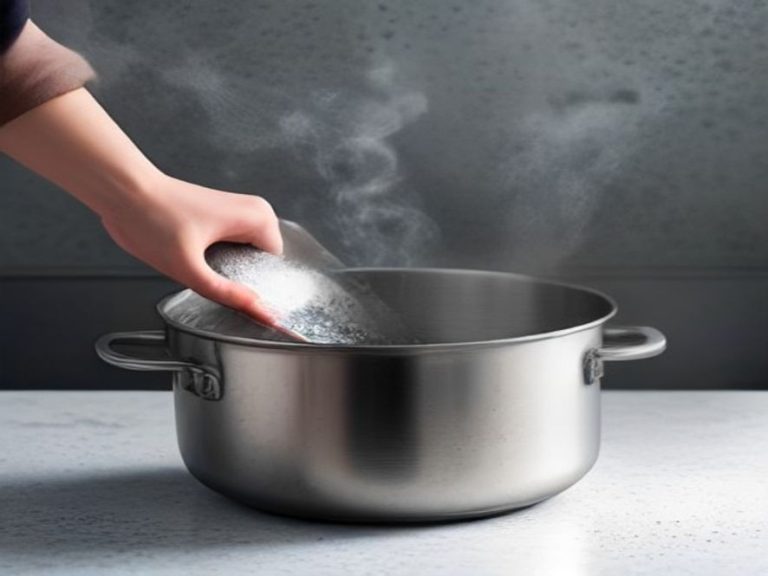
For really tough, baked-on grime, steam can help loosen the mess before you even start scrubbing .
- Place a large, oven-safe bowl filled with water in the oven.
- Set the oven temperature to 450°F and set a timer for 30 to 60 minutes (the heavier the grime, the longer you should steam) .
- When the timer goes off, turn off the oven and leave the door closed until the oven has cooled completely.
- The steam will have softened the burnt bits, making them much easier to clean .
Step 4: Mix and Apply the Baking Soda Paste
This is the most important step. The baking soda paste is what breaks down the burnt-on food without harsh chemicals .
To make the paste:
- Mix 1 cup of baking soda, 1 tablespoon of dish soap, and 1 tablespoon of water . For a larger oven, double the recipe.
- Stir until it forms a thick, spreadable paste .
To apply:
- Wearing rubber gloves, use a sponge or silicone spatula to spread the paste generously over the burnt areas on the oven bottom .
- Important: Avoid getting any of the paste on the heating elements or over gas vents .
- Close the oven door and let the paste sit for at least 1 hour. For heavy buildup, leave it overnight—the longer it sits, the easier the grime will lift .
Step 5: Wipe and Rinse
After the paste has had time to work:
- Use a damp sponge or microfiber cloth to wipe away the paste and the loosened grime .
- For stuck-on portions, gently use a plastic scraper or silicone spatula to remove any stubborn residue .
- For a final rinse, spray the oven bottom with a mixture of equal parts water and distilled white vinegar. The vinegar will react with any remaining baking soda and fizz, helping lift leftover residue .
- Wipe everything clean with a cloth.
Step 6: Tackle Stubborn Stains
If a few stubborn spots remain after the main clean, sprinkle a little dry baking soda on a damp sponge and gently scrub the area . For really persistent stains, apply a fresh layer of paste, let it harden overnight, and remove it the next day with a wet cloth and scraper .
Cleaning Method Comparison Table
| Method | Best For | Effectiveness | Difficulty | Cost |
|---|---|---|---|---|
| Baking Soda Paste (with soap) | Heavy burnt-on food, greasy spills | Very High (with overnight soak) | Easy | Very Low |
| Steam + Baking Soda | Extremely stubborn, carbonized grime | Highest | Moderate | Very Low |
| Baking Soda Paste (without soap) | Light to moderate buildup | Moderate-High | Easy | Very Low |
| White Vinegar Rinse | Removing residue and final shine | High (as a finishing step) | Easy | Very Low |
| Commercial Oven Cleaner | Quick cleaning, extreme buildup | Very High | Easy | Moderate-High |
Preventing Future Burnt Messes
A little prevention saves hours of scrubbing later. Here are some pro tips:
- Use an Oven Liner: Place a silicone oven liner on the bottom rack (not directly on the oven floor) to catch drips. Just make sure it doesn’t block any vents .
- Place a Baking Sheet Below: If you’re cooking something that might bubble over, put a foil-lined baking sheet on the rack below your dish .
- Act Fast: Clean up spills as soon as the oven is cool enough to touch. It takes 30 seconds now to prevent a 3-hour cleaning job later .
- Don’t Overfill: Leave room in your baking dishes for food to bubble up without spilling over the sides .
FAQ: Your Oven Cleaning Questions Answered
How do you clean burnt food off the bottom of an oven?
Make a paste with 1 cup baking soda, 1 tablespoon dish soap, and 1 tablespoon water. Spread it on the burnt areas, let it sit for at least an hour (or overnight), then wipe away with a damp sponge .
What is the fastest way to clean the bottom of a dirty oven?
Using steam first can speed up the process. Heat a bowl of water at 450°F for 30–60 minutes to soften the grime, then apply the baking soda paste .
Can I use vinegar to clean the bottom of my oven?
Yes. Vinegar is great for the final rinse. A 50/50 vinegar and water solution reacts with remaining baking soda to lift residue and leave a streak-free shine .
Is it safe to use a metal scraper to clean burnt food?
No. Metal scrapers can scratch and damage the oven’s enamel surface. Always use a plastic scraper or a silicone spatula .
How often should I clean the bottom of my oven?
If your oven doesn’t have much buildup, a monthly cleaning is fine. However, you should clean the bottom anytime a dish bubbles over to prevent it from baking on .
Why is my oven smoking?
Burnt food residue on the oven bottom can smoke when heated. A thorough deep clean will usually solve this problem .
References
Expert Cleaning Guides for Oven Maintenance and Restoration:
- The Spruce: How to Clean a Burnt Oven Bottom
- Southern Living: How to Remove Burnt-On Gunk From Oven Bottom
- Southern Living: How to Deep Clean Oven with Baking Soda
- Dandy Fox Cleaning: How to Clean Burnt Food from Your Oven
Deep cleaning the bottom of your oven with burnt food doesn’t have to be a dreaded chore. With baking soda, a little patience, and the right technique, you can restore your oven to a clean, safe, and efficient cooking space. And the best part? A few preventative habits will keep it that way.
Which kitchen problem do you want solved next? Share your thoughts in the comments.