How to Deep Clean Kitchen Areas You Probably Forget: The Complete Guide to a Truly Spotless Cooking Space
You have wiped the countertops, scrubbed the sink, and mopped the floor—but your kitchen still does not feel truly clean. There is a lingering smell, a sticky film on the handles, and you cannot figure out where the grime is hiding.
The truth is, even the most thorough cleaners miss certain spots. These overlooked areas collect grease, bacteria, and food particles over months or even years, affecting how your kitchen looks, smells, and functions . This guide uncovers these forgotten zones and gives you simple, practical methods to tackle them.
TL;DR
This guide covers the most commonly forgotten kitchen areas: the gap between the stove and counter, refrigerator door seals, tops of cabinets, under and behind appliances, range hood filters, dishwasher filters, cabinet handles and knobs, sink drains and garbage disposals, and kitchen light switches. Each area comes with a simple cleaning method and recommended frequency. Tackling these hidden spots transforms your kitchen’s hygiene and reduces unpleasant odors.
Key Takeaways
- Hidden spots harbor grime that daily cleaning misses—grease, bacteria, and food particles accumulate in out-of-sight places .
- The gap between stove and counter collects food and liquids that become a disgusting mess if never addressed .
- Refrigerator door seals trap crumbs and moisture, often growing mold in the folds .
- Greasy cabinet handles are a telltale sign of neglect and should be wiped weekly .
- Clean from top to bottom to avoid re-cleaning surfaces .
- Consistency matters—two minutes of attention weekly prevents heavy buildup .
The Real Reasons These Areas Get Ignored
Kitchens are busy spaces. During daily cleaning, we focus on what is in front of us—countertops, stovetops, and sinks. Out-of-sight spots get neglected until the buildup becomes obvious . This neglect leads to:
- Persistent odors from rotting food particles in drains and dishwasher filters .
- Reduced appliance efficiency from clogged filters and dusty coils .
- Bacterial growth on high-touch surfaces like handles and switches .
- Fire hazards from grease-clogged range hood filters .
The good news is that these areas are usually quick to clean once you know they exist .
The Most Forgotten Areas and How to Clean Them
1. The Gap Between the Stove and Counter
Food, crumbs, and liquids accumulate in this narrow space, creating a truly vile mess over time .
How to clean: Pull the stove away from the counter if possible. Use a flexible grabber tool or a yardstick wrapped in a damp cloth to reach what you cannot access otherwise . Vacuum out loose debris first, then wipe with a cleaner.
Prevention tip: Consider buying gap covers—silicone strips that seal the space and prevent food from falling through .
2. Refrigerator Door Seals (Gaskets)
The rubber seal around fridge doors traps crumbs, spills, and sticky residue. Mold often grows in the folds, affecting both hygiene and the fridge’s efficiency .
How to clean: Pull back the gasket gently, then wipe it with a cloth dampened with warm, soapy water. Use a toothbrush for stubborn spots and crevices . Rinse and dry thoroughly. Check both refrigerator and freezer doors.
Why it matters: Clean gaskets seal better and help refrigerators maintain temperature efficiently. Moldy gaskets spread spores and cause odors even if the rest of the fridge is clean .
3. Tops of Upper Cabinets
Grease-laden cooking vapors rise and settle on cabinet tops, mixing with dust to form sticky grime . Cleaning expert Leanne Neiland considers these high ledges one of the most important areas to address during a seasonal reset .
How to clean: Climb a stepladder and wipe cabinet tops with a degreasing cleaner or a mixture of dish soap and hot water . For heavier buildup, use a mild degreaser .
Prevention tip: If your cabinets do not reach the ceiling, line the tops with parchment paper after cleaning—just replace the paper every few months instead of scrubbing .
4. Behind and Under Appliances
Dust, grease, and food accumulate under refrigerators, stoves, and dishwashers. Moving them is a hassle, but these areas hide significant grime .
How to clean: Pull appliances forward carefully. Vacuum first to remove loose debris, then mop with a degreasing cleaner . Clean the backs of the appliances too—refrigerator coils lose efficiency when dusty .
Recommended frequency: Do this twice yearly to prevent excessive buildup .
5. Range Hood Filters and Interior Surfaces
Range hood filters catch grease during cooking. When they clog, they stop working effectively, and grease accumulates on kitchen surfaces .
How to clean: Remove metal filters and soak them in hot water with dish soap and baking soda for twenty minutes. Scrub with a brush, rinse, and let dry completely before reinstalling . Wipe down the interior surfaces of the hood where grease tends to accumulate.
Recommended frequency: Clean filters monthly if you cook frequently; at a minimum, quarterly .
6. Dishwasher Filter
Dishwashers have filters that trap food particles. When filters clog, dishes do not get clean, and the dishwasher smells .
How to clean: Remove the filter according to your manual, rinse under hot water, and scrub with a brush to remove accumulated debris . Check spray arms for clogged holes—use a toothpick to clear them .
Recommended frequency: Clean monthly for best performance and hygiene .
7. Cabinet Handles and Knobs
Handles accumulate grease, food residue, and general grime from constant touching. This greasy coating is a telltale sign that considerable time has passed since the last thorough clean .
How to clean: Take a microfiber cloth with warm, soapy water and go over every handle properly. If they are particularly greasy, use a mild degreaser and let it sit for a minute before wiping . Use an old toothbrush for detailed cleaning around hardware edges .
Recommended frequency: Wipe handles down weekly to prevent heavy buildup .
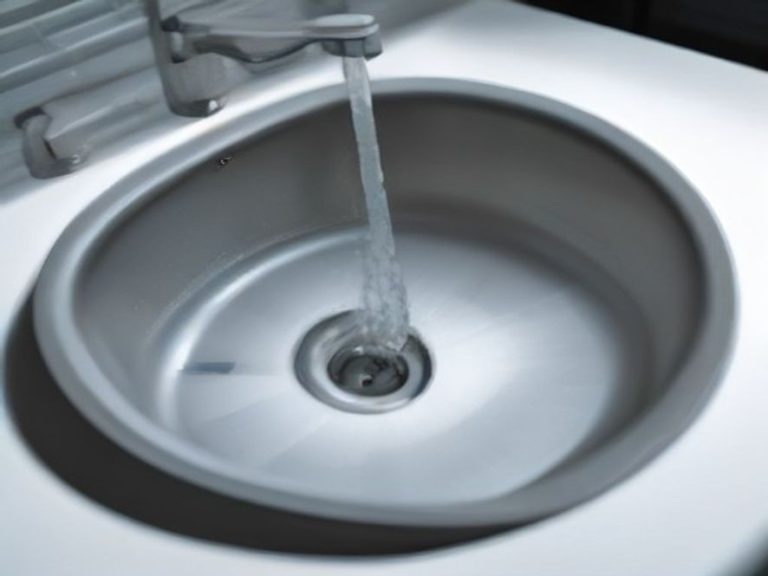
8. Sink Drain and Garbage Disposal
The drain is where food particles, grease, and bacteria fester, often causing nasty kitchen smells that seem to appear out of nowhere .
How to clean: Pour ½ cup of baking soda down the drain followed by 1 cup of vinegar and let it fizz for around 10 minutes before rinsing with boiling water . Enhance freshness further by dropping lemon peels and ice cubes into the disposal and turning it on .
Recommended frequency: Do this weekly to prevent buildup .
9. Light Switches and Appliance Buttons
These surfaces are handled constantly yet rarely given a proper clean. They are among the easiest fixes .
How to clean: Take a slightly damp cloth with a bit of cleaner and wipe over switches, kettle buttons, and oven dials .
Recommended frequency: Wipe down switches weekly; light fixtures monthly .
Comparison Table: Forgotten Areas and Cleaning Frequency
| Forgotten Area | Cleaning Method | Recommended Frequency |
|---|---|---|
| Gap between stove and counter | Vacuum, then wipe with damp cloth | Monthly |
| Refrigerator door seals | Warm, soapy water and toothbrush | Monthly |
| Tops of upper cabinets | Degreaser or warm, soapy water | Seasonally |
| Behind/under appliances | Vacuum and mop with degreaser | Every 6 months |
| Range hood filters | Soak in hot, soapy water | Monthly |
| Dishwasher filter | Scrub with brush under hot water | Monthly |
| Cabinet handles/knobs | Microfiber cloth with soapy water | Weekly |
| Sink drain/disposal | Baking soda and vinegar, then boiling water | Weekly |
| Light switches/buttons | Damp cloth with cleaner | Weekly |
Chart: Neglect Level vs. Impact on Kitchen Hygiene
The Golden Rule: Work from Top to Bottom
Cleaning expert Ashley Matuska Kidder shares the technique her employees use: clean from top to bottom. “Gravity naturally pulls things down — so if you start by cleaning the counters, then dust or wash the upper cabinets, you will have to re-clean the counters” . Take three trips around the kitchen:
- High areas: Cabinet fronts, stove hood, top of fridge, microwave .
- Counter level: Stovetop, sink, backsplash, and countertop items .
- Low areas: Lower cabinets, front of the oven, outside of the fridge, dishwasher front, and kick plate .
FAQ: Common Questions About Forgotten Kitchen Areas
Why does my kitchen smell bad even after cleaning?
Check the sink drain, garbage disposal, and dishwasher filter. These areas often harbor rotting food particles and grease that cause odors .
How often should I clean my refrigerator door seals?
Clean them monthly. Mold can grow in the folds, affecting both hygiene and the fridge’s efficiency .
What is the best way to clean greasy cabinet handles?
Use a microfiber cloth with warm, soapy water. For heavy grease, use a mild degreaser and let it sit for a minute before wiping .
Can I use vinegar to clean my kitchen sink drain?
Yes. A mixture of baking soda and vinegar works well. Follow with boiling water to flush out loosened debris .
How do I clean behind the stove without moving it?
Use a flexible grabber tool or a yardstick wrapped in a damp cloth to reach the gap . For a thorough clean, pull the stove out twice yearly .
What is the dirtiest spot in the kitchen?
Kitchen cabinet handles are often the dirtiest because they are touched constantly and accumulate grease from cooking . The gap between the stove and counter is also a major culprit for hidden grime .
References
Trusted Sources for Overlooked Kitchen Cleaning:
- Home as We Make It: Overlooked Kitchen Deep Cleaning
- Martha Stewart: Spring Cleaning Spots Professionals Never Skip
- Tasting Table: Best Deep-Cleaning Tip for a Sparkling Kitchen
- OK! Magazine: Kitchen Expert Names Most Overlooked Items
Which kitchen problem do you want solved next? Share your thoughts in the comments.