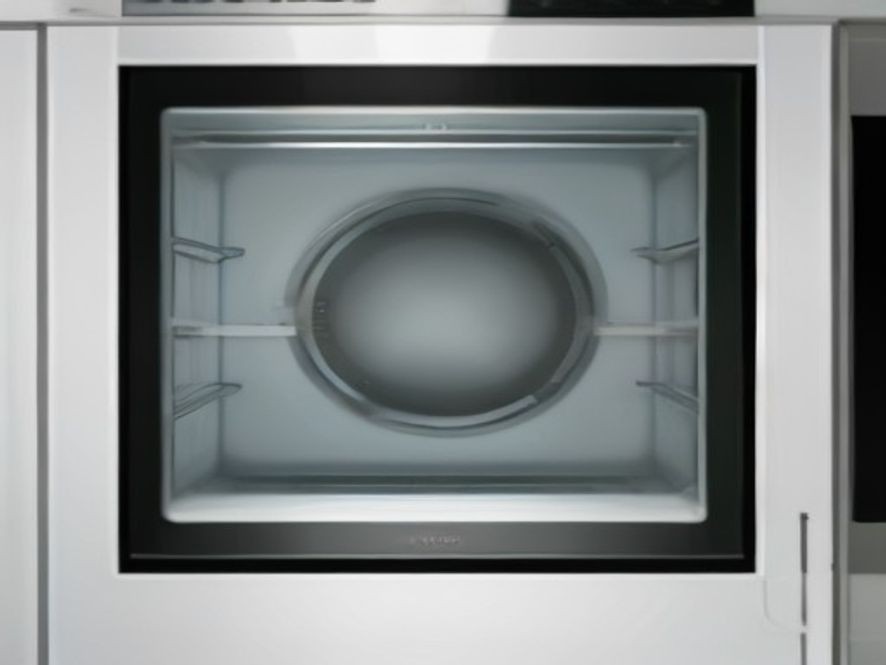
How to Remove Grease From an Oven Door and Handle: Simple Steps for a Grime-Free Finish
You look at your oven door, and instead of a clear view of your food, you see a cloudy film of splatters and sticky fingerprints that seems impossible to shift.
TL;DR
The secret to removing baked-on oven grease is to use a baking soda paste and let it do the hard work. Make a paste from baking soda and water, spread it over the greasy glass and handle, and let it sit for at least 15-30 minutes (or overnight for tough grime) . The paste lifts and softens the grease, so you can wipe it clean with minimal scrubbing. For handles, spray your cleaner onto a cloth to protect the finish, and always avoid using steel wool or metal tools that can scratch the surfaces .
Why Oven Doors and Handles Get So Greasy
Your oven door and handle are in the front line of every cooking battle. Grease splatters from frying, steam from boiling, and sticky fingerprints from opening the hot door all combine to create a stubborn film . The heat from the oven bakes this mixture onto the surfaces, especially on the inner glass, making it harder to remove with each cooking session .
Step-by-Step Guide to a Sparkling Oven Door and Handle
What You’ll Need
- Baking soda – the primary gentle abrasive and grease fighter
- Warm water – to create the magic paste
- White vinegar – to cut through grease and add extra cleaning power
- Washing-up liquid – helps bind with and emulsify grease
- Microfiber cloths – for streak-free cleaning and drying
- A soft sponge or old toothbrush – for scrubbing without scratching
- A plastic scraper or old credit card – for gently lifting softened grime
Important: Never use metal tools or steel wool, as they can permanently scratch the glass and stainless steel, leaving a rough surface that will collect even more grease .
Step 1: Safety First – Make Sure the Oven is Off and Cool
Before you begin, double-check that the oven is switched off and completely cool to the touch. Cleaning a warm surface is fine, but trying to clean a hot oven is a burn risk .
Step 2: Create a Powerful Baking Soda Paste
This is the core of your attack. In a small bowl, mix ½ cup of baking soda with a few tablespoons of warm water. You want to create a thick, spreadable paste that’s the consistency of frosting . For extra grease-fighting power, add a few squirts of washing-up liquid to the mix .
Step 3: Apply the Paste to the Oven Door
Spread a thick, even layer of the paste over the inside of the oven door glass. Don’t forget the edges and corners where grime accumulates. If you’re cleaning the outside, you can use a lighter application.
Step 4: Let the Paste Work Its Magic
Now, you wait. For light grease, 15-30 minutes is often enough . For heavy, baked-on grime, you can leave the paste on for a few hours or even overnight . This waiting period is where the magic happens: the alkaline baking soda reacts with the acidic grease, breaking its grip on the glass .
Step 5: Wipe, Scrub, and Rinse
After the paste has had time to work, use a damp microfiber cloth to wipe away as much of the paste and loosened grease as you can. For stubborn spots, use a soft sponge or an old toothbrush to gently scrub . You can also use a plastic scraper to carefully lift any remaining grime .
Step 6: Vinegar Rinse for a Streak-Free Shine
To remove any leftover residue and add extra shine, spray or wipe the glass with a solution of equal parts white vinegar and water . The vinegar will cut through any remaining grease and help leave a streak-free finish . Wipe it dry with a clean microfiber cloth .
Tackling the Oven Handle
The handle is usually easier to clean. Follow these simple steps:
Step 1: Spray Your Cleaner on a Cloth, Not the Handle
This is a key tip to prevent liquid from getting behind the handle and into the control panel . Spray your chosen all-purpose cleaner or a solution of warm, soapy water directly onto a microfiber cloth.
Step 2: Wipe and Scrub Gently
Wipe the handle with the damp cloth. For greasy spots, apply a little pressure or use a soft toothbrush to work the cleaner into the crevices .
Step 3: Final Buff
Use a clean, dry microfiber cloth to dry and buff the handle to a shine .
Comparison Table: Oven Door Cleaning Methods
| Method | How It Works | Best For | Effectiveness | Difficulty |
|---|---|---|---|---|
| Baking Soda Paste | Alkaline paste breaks down acidic grease . | Heavy, baked-on grime on glass. | High | Easy |
| Vinegar + Water Spray | Acid cuts through grease and leaves a streak-free shine . | Light cleaning and final rinse. | Medium | Very Easy |
| Commercial Oven Cleaner | Harsh chemicals dissolve tough carbon. | Extreme, long-ignored buildup. | Very High | Medium |
| Shaving Foam | Softens and loosens baked-on mess . | Stubborn spots. | Medium | Easy |
FAQ: Oven Grease Removal Questions
1. Why use baking soda instead of a chemical cleaner?
Baking soda is a gentle abrasive that cuts through grease without scratching the glass or damaging seals. It’s also natural, affordable, and odourless .
2. Can I use a razor blade to scrape the glass?
A razor blade can be used with extreme care, but it’s risky as it can scratch the glass or damage the seal. A plastic scraper or credit card is much safer .
3. How do I get grease off my oven handle?
Spray your cleaner onto a microfiber cloth, not directly onto the handle. Wipe, scrub, and buff dry . This prevents cleaner from seeping into the control panel.
4. How often should I deep clean my oven door?
A quick wipe down every few weeks will prevent heavy build-up. A deeper clean using the baking soda paste is recommended every 2-3 months, depending on how often you cook .
Which oven cleaning task is your biggest pain—the greasy glass, the crusty handle, or something else? Share your experience in the comments!
References
Expert oven cleaning guides and appliance manufacturer recommendations for safe, effective grease removal:
- KitchPrep – How To Clean Baked On Grease
- Daily Express – Burnt-on grease will slide right off ovens
- Molly Maid – How to Clean Oven Door Glass
- Hunker – How to Clean Glass Oven Door with Vinegar & Baking Soda
- CATA Appliances Blog – How to Clean Glass Oven Door Windows
- OvenCookGuy – How To Clean Oven Handle