How to Organize a Pantry for Weekly Meal Planning: The Ultimate Guide to Stress-Free Dinners
You stand in front of your pantry, trying to figure out what to make for dinner, but all you see is a jumble of random ingredients with no clear path to a meal. This is a common frustration, but the good news is that organizing your pantry specifically for meal planning can fix it for good. This guide will show you the best way to organize a pantry for weekly meal planning, so dinner time becomes simple and stress-free.
TL;DR
Organizing your pantry for meal planning is about making cooking easier, not just making things look pretty. The most effective approach is to group ingredients by the meals you actually cook, rather than just by food type. By creating meal-specific bins, keeping a running inventory, and using a weekly planning routine, you’ll spend less time hunting for ingredients and more time enjoying your meals.
Key Takeaways
- Organize by Meal, Not Just Category: Group ingredients for your family’s go-to dinners together in labeled bins so you can grab everything at once .
- Start with a Clean-Out: Empty your pantry, toss expired items, and group what’s left before you reorganize .
- Create Zones Based on Cooking Frequency: Place frequently used meal ingredients at eye level and store backup stock on higher or lower shelves .
- Keep a Running Inventory: Use a whiteboard or notes app to track what you’re running low on for easier shopping .
- Pair with a Weekly Planning Routine: Set aside time each week to check your pantry and plan 4-5 dinners around what you already have .
The Real Causes Behind Meal Planning Frustration
A pantry that looks organized by food type can still be a nightmare for meal planning. Understanding why this happens helps you fix the real problem.
Why “Category Organization” Doesn’t Always Work
Most people organize by food type—canned goods together, grains together, spices together. But when you’re making a meal like tacos, you need taco seasoning, canned beans, tortillas, and salsa from four different zones. That means hunting across the whole pantry for one meal. Organizing by cooking workflow rather than food type saves time and reduces stress .
The Problem with Not Knowing What You Have
When you can’t easily see what’s in your pantry, meal planning becomes guesswork. You end up buying duplicates, wasting money, and feeling stuck on what to cook . Taking a quick inventory before you plan meals is a simple habit that saves money and prevents waste.
“Organizing works when it makes your life easier, and not when it looks perfect” .
A Step-by-Step Guide for Meal Planning Success
Here is a practical plan to transform your pantry into a meal planning powerhouse.
Step 1: Do a Complete Pantry Reset
You can’t organize around meal planning if you don’t know what you have. Start fresh.
- Empty Everything: Take all items out of your pantry and lay them on your counter .
- Check Expiration Dates: Toss anything expired, stale, or that you haven’t used in months .
- Wipe Down Shelves: Clean shelves thoroughly before putting anything back .
- Donate Unopened Items: If you have unopened items you won’t use, donate them to a local food bank .
Step 2: Group by Your Go-To Meals
This is the game-changer. Instead of organizing by food type, think about what you actually cook .
- Make a List of Your Go-To Dinners: Most families rotate through the same 7-10 meals. Write them down .
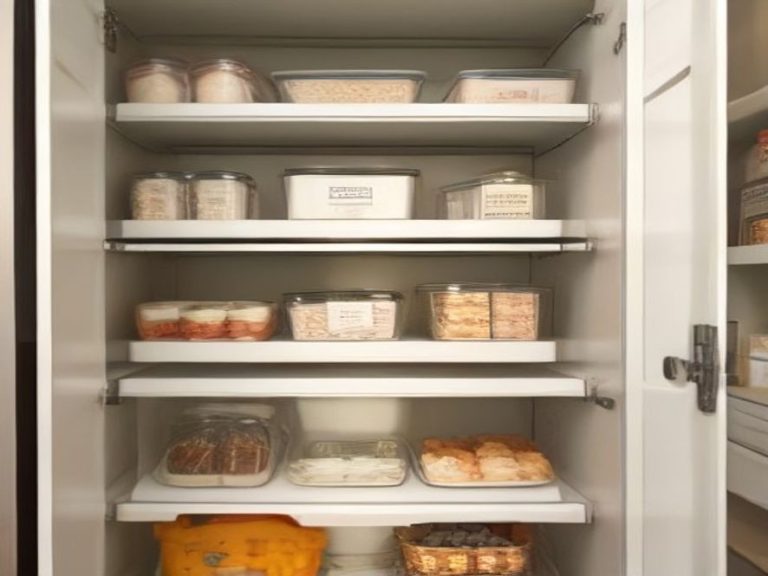
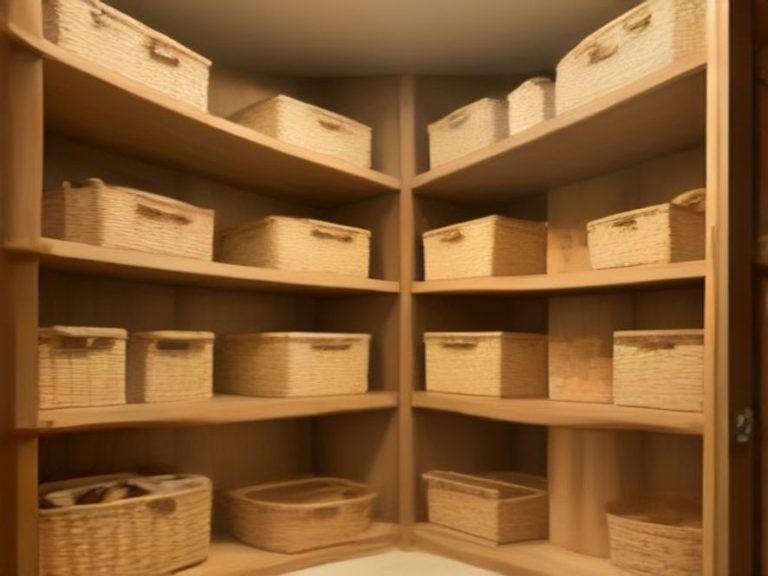
- Create Meal-Specific Bins: For each frequent meal, gather all the non-perishable ingredients in one bin or shelf spot .
- Taco Night: Tortillas, taco seasoning, canned beans, salsa, and hot sauce .
- Pasta Night: Dry pasta, canned tomatoes, garlic, and red pepper flakes .
- Quick Lunch Bin: Tuna packets, 90-second rice, and ready-to-eat options .
- Label Each Bin Clearly: Use labels like “Taco Night” or “Pasta Dinner” so anyone can find what they need .
Step 3: Create Supporting Zones
Not everything needs to go in a meal bin. Keep these separate zones for flexibility .
- Baking Zone: Flour, sugar, baking powder, vanilla, and chocolate chips.
- Snack Zone: Granola bars, chips, fruit snacks, and nuts.
- Bulk/Backup Stock: Extra items you buy in bulk go on higher or lower shelves since you access them less often .
Step 4: Establish a Weekly Meal Planning Routine
A well-organized pantry works best when paired with a simple routine .
- Pick a Planning Day: Sundays work well for many families .
- Check Your Pantry: Look at what you already have in your pantry and fridge before making a grocery list .
- Plan 4-5 Dinners: Focus on meals that use what you have on hand .
- Create a Grocery List: Write down only what you need to complete your planned meals .
- Keep a Running Inventory: Use a whiteboard on your pantry door or a notes app to track items that are running low .
Step 5: Maintain Your System
Organization is an ongoing process. Keep it working with these habits.
- Restock with Intention: When you bring groceries home, put them in their designated spots and rotate older items to the front .
- Do a Quick Weekly Tidy: Spend a few minutes each week straightening up and checking for expired items .
- Involve Your Family: Show everyone where things go and encourage them to put items back properly .
Comparison: Food-Type vs. Meal-Based Organization
| Feature | Food-Type Organization | Meal-Based Organization |
|---|---|---|
| Main Goal | Looking tidy and categorized | Making cooking faster and easier |
| How It Works | All canned goods together, all grains together, etc. | Group ingredients for go-to meals in labeled bins |
| Meal Prep Time | Requires hunting across multiple zones for one meal | Grab one bin and get started immediately |
| Best For | Baking, snacks, and general storage | Frequent weeknight dinners and quick meals |
Frequently Asked Questions
How do I know which meals to create bins for?
Start with the 5-7 dinners your family makes most often, especially the ones you throw together on busy nights . You can always add more later.
What if an ingredient is used in multiple meals?
It’s okay to have duplicates. If you use coconut milk for breakfast and curry, keep a can in your breakfast bin and another in your curry kit . Getting dinner on the table matters more than keeping everything perfectly sorted.
How do I keep track of what I need to buy?
Keep a running grocery list on your pantry door or in your phone. When you use the last of something, write it down immediately .
What if my pantry is too small for meal bins?
Use shelf risers or lazy Susans to maximize vertical space. For deep shelves, use pull-out bins that you can slide out to see everything .
Why should I do a pantry clean-out before reorganizing?
A clean-out helps you see exactly what you have, get rid of expired items, and plan meals around what’s already there .
References
Smart Solutions for a Meal Planning Pantry:
- Simply Recipes – Organize by Meal, Not Category
- Pantry Raider – Organizing by Cooking Workflow
- Sunny Spaces – Pantry & Meal Prep Refresh
- Health Starts in the Kitchen – Building a Pantry for Weeknight Meals
A pantry organized around how you actually cook makes weekly meal planning simple and enjoyable. When you can grab a bin with everything you need for dinner, you’ll wonder why you didn’t organize this way sooner.
Which kitchen problem do you want solved next? Share your thoughts in the comments.