How to Organize a Pantry Using the FIFO Method: The Ultimate Guide to Reducing Waste and Saving Money
You reach for a can of tomatoes, only to find it expired two years ago—buried behind newer purchases you shoved in front. This is a common kitchen frustration, but the good news is that the FIFO method offers a simple and effective solution. This guide will show you how to organize a pantry using the FIFO method, so you can stop wasting food and always know what you have on hand.
TL;DR
The FIFO (First-In, First-Out) method is a simple system where you place new groceries behind older ones, ensuring you always use the oldest food first . Start by decluttering your pantry and grouping items by category . Then, when restocking, pull older items to the front and put new purchases in the back . Labeling containers with dates and creating utility zones makes the system even easier to maintain, saving you money and reducing food waste .
Key Takeaways
- FIFO Prevents Waste: The system ensures you use older food before it expires, which is the single most effective way to stop throwing away forgotten items .
- Visibility is Everything: You must be able to see your food to use it. The FIFO system naturally puts the items that need to be eaten first at the front where you can see them .
- It’s About the Restocking Routine: The critical habit is taking an extra moment when putting away groceries to rotate your stock, placing new items at the back .
- Labels are Your Friend: Labeling containers, especially with dates, eliminates guesswork and makes the FIFO system foolproof for everyone in the household .
- Think Like a Pro: This is the same inventory management system used by professional kitchens and grocery stores to keep food fresh and safe .
The Real Cause Behind “Pantry Graveyards” and How to Fix It
A disorganized pantry doesn’t just look messy; it actively leads to wasted food and wasted money. Understanding why this happens is the first step to fixing it for good.
The “Buried Treasure” Problem
When you unpack groceries, it’s natural to shove new items into the open space at the front of the shelf. This seems efficient in the moment, but it creates a hidden problem: older items get pushed to the back, where they are forgotten . They become the “buried treasure” you find months—or years—later, long past their prime . This is the main cause of the food waste many families experience .
The Solution: Think Like a Grocery Store
The FIFO method is exactly the system grocery stores use to ensure the oldest stock is sold first . It’s a simple, professional-grade solution that works just as effectively in your home pantry. By adopting it, you are shifting from a reactive “just put it away” mindset to a proactive “stock rotation” mindset .
A Step-by-Step Guide to Implementing the FIFO Method
Here is a simple, practical plan to transform your pantry using the FIFO system.
Step 1: The Big Reset
You can’t implement a rotation system on top of chaos. You need to start fresh. Empty your entire pantry and lay everything out on your counter . This is the best time to get an accurate inventory.
- Check Dates: Check the expiration or “best by” dates on every item. Be ruthless and toss anything that is expired or has been open for too long .
- Group by Category: While it’s all out, sort the items you want to keep into categories like “canned vegetables,” “baking supplies,” “pasta and grains,” and “snacks” .
- Wipe Down Shelves: Before putting anything back, clean your shelves thoroughly. This prevents crumbs from attracting pests and keeps your pantry fresh .
Step 2: Organize by Zones and Visibility
Before you start putting items back, think about how you’ll access them. The goal is to make your “first-out” items as easy to grab as possible.
- Create Utility Zones: Instead of just grouping by food type, organize by how you cook. Create zones like a “baking zone” for flours and sugars, a “quick meal zone” for pasta and jarred sauces, and a “snack zone” . This makes grabbing ingredients for a specific task more intuitive.
- Prioritize Eye-Level: Place your most frequently used items at eye level. Put backstock and items you use less often on higher or lower shelves .
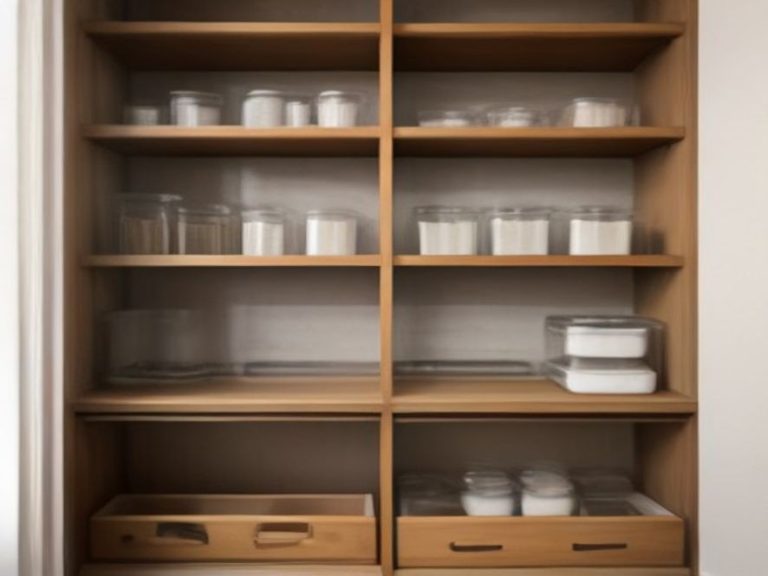
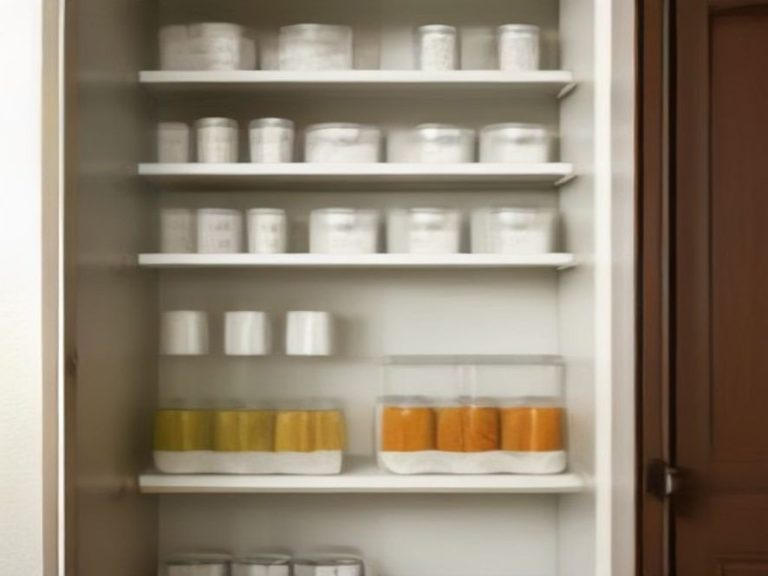
- Use Clear Containers: Store dry goods like flour, rice, and pasta in clear, airtight containers. You can see exactly how much you have at a glance, which prevents you from buying duplicates .
Step 3: Stock with the FIFO Rule
This is the heart of the method. The new rule is simple: when you buy new groceries, place them behind the older items of the same type .
- The Core Action: For example, if you have four jars of pasta sauce and you buy two more, pull the four older jars to the front and place the two new jars in the back . This ensures that next time you cook, you’ll grab the oldest jar first.
- Implement When Restocking: This is the most important habit to build. When you come home from the grocery store, take the time to properly rotate your stock . This small step is what makes the system work.
Step 4: Label and Date Everything
Labels are a crucial part of the FIFO system, especially for items you store in clear containers or for leftovers .
- Date It: Use a permanent marker or a label maker to put the date you opened or purchased an item on the container . For items with clear expiration dates, you can write that date in a large, easy-to-read font .
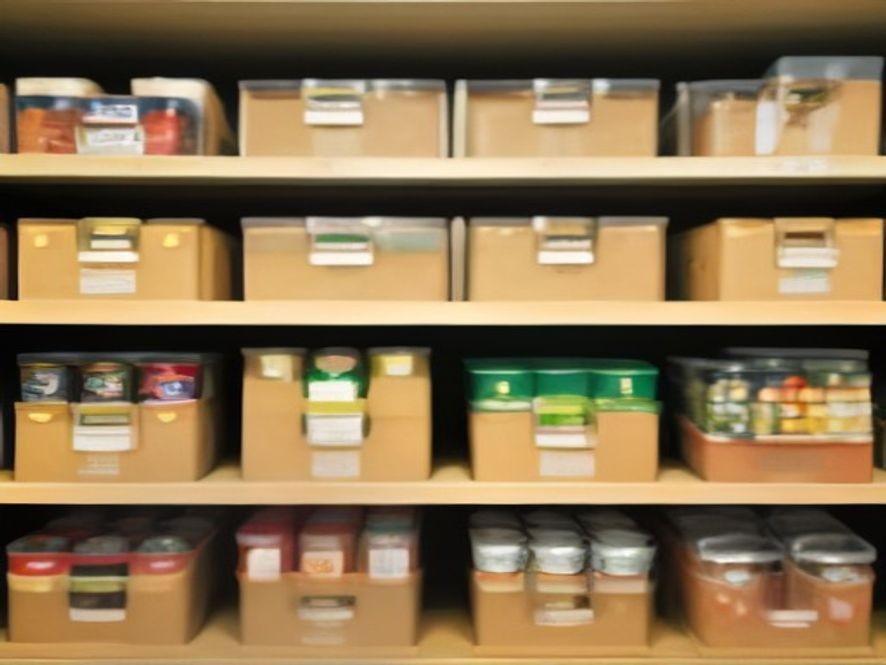
- Face Labels Out: Put your labels on the front of the container so they are easy to read at a glance . This makes checking what you have quick and effortless.
- Recommended Products:
- Masking Tape & Sharpie: A classic, affordable, and effective solution for any container .
- Label Maker: For a clean, professional look, an inexpensive label maker like the DYMO handheld is a great choice .
- Clear, Airtight Containers: Look for square or rectangular containers to save shelf space .
“Clear labels tell you, at a glance, what’s inside a container and how old it is; FIFO wouldn’t exist without them.”
Step 5: Maintenance is Key
An organized pantry isn’t a one-time project; it’s an ongoing habit.
- Weekly 5-Minute Check: A quick weekly scan of your shelves to pull any forgotten items to the front and check for expiring food can make a huge difference .
- Keep a Running List: Maintain a grocery list on your phone or a whiteboard. When you take the last of an item, add it to the list immediately . This prevents you from buying duplicates.
Quick Reference: Implementing the FIFO Method
| Step | Action | Why It Matters |
|---|---|---|
| 1. The Reset | Empty the pantry, toss expired items, and group by category . | Gives you a clean slate and an accurate inventory of what you own. |
| 2. Zones & Visibility | Create utility zones and place everyday items at eye level . | Makes it easy to find what you need quickly, saving time and frustration. |
| 3. The FIFO Rule | When restocking, place new items at the back and older items at the front. | Ensures the oldest food is used first, preventing the “buried treasure” problem. |
| 4. Label & Date | Clearly label containers with the name and date . | Removes guesswork and makes the system foolproof. |
| 5. Maintenance | Do a quick weekly check and keep a running grocery list . | Keeps the system running smoothly and prevents waste from building up. |
Frequently Asked Questions
What does FIFO stand for and how does it work in a pantry?
FIFO stands for “First In, First Out.” It means you put new groceries behind older ones so you always reach for the oldest food first, preventing waste .
Why should I use the FIFO method?
Using FIFO reduces food waste, saves you money, and helps you maintain a real-time mental inventory of what you have in your pantry .
What should I do with an item I’ve had for a while with no date?
This is a great opportunity to start the FIFO system! Label it with the date you found it and make it your mission to use it first . “When in doubt, throw it out” is a safe rule for any questionable food .
How do I get started with FIFO if my pantry is already a mess?
Start with the “big reset.” Empty your pantry, toss expired items, group what’s left, and then restock using the FIFO method .
Do I need to buy special containers for this system?
No, you don’t have to. While clear, uniform containers are helpful, you can start with what you have. The core of the system is the habit of rotating your stock, not the containers themselves .
References
Proven Methods for a More Efficient Kitchen:
- Lifehacker – Use the FIFO Method to Better Organize Your Pantry
- NC State Extension – A Guide to the Strategic Pantry
- UF/IFAS Extension – Save Money By Organizing Your Pantry
- Food & Home Magazine – How to Organise Your Pantry in 30 Minutes
Using the FIFO method is one of the smartest habits you can build in your kitchen. It saves money, reduces waste, and ensures your pantry is always working for you, not against you. It’s a simple system with professional results.
Which kitchen problem do you want solved next? Share your thoughts in the comments.