How to Organize a Pantry to Reduce Food Waste: A Practical Guide for Every Kitchen
You open your pantry, find three half-empty bags of flour and a can of tomatoes that expired two years ago, and realize you just wasted both food and money. This is a common frustration, but the good news is that a few simple changes can fix it for good. This guide will show you how to organize a pantry to reduce food waste, save money, and make cooking less stressful.
TL;DR
Organizing your pantry to reduce food waste starts with a complete clean-out where you check expiration dates and toss anything stale or spoiled. The most effective strategy is using the FIFO (First In, First Out) method—placing new items behind older ones so you always use the oldest food first. By storing dry goods in clear, airtight containers and creating functional zones, you’ll always see what you have and avoid buying duplicates.
Key Takeaways
- Audit Before You Shop: Always check your pantry before going to the grocery store to avoid buying things you already have .
- Use the FIFO System: Place newer items at the back and older ones at the front to ensure nothing expires in the dark corners of your pantry .
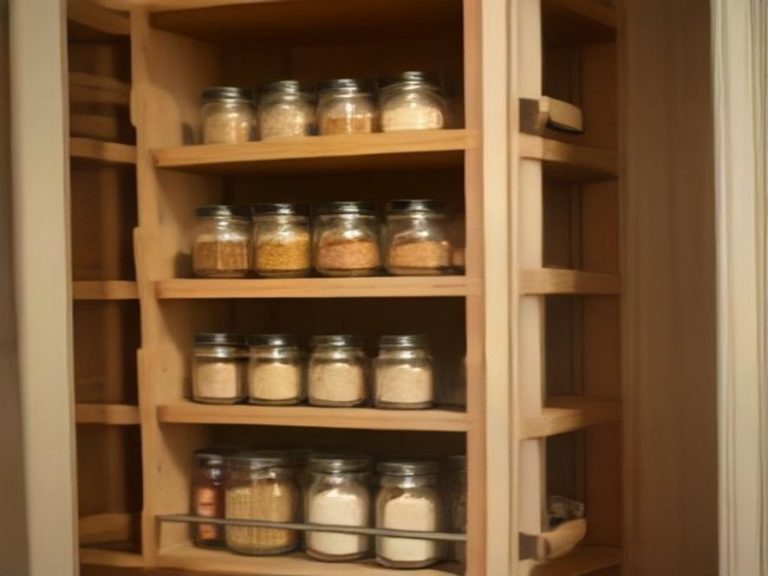
- Store in Clear, Airtight Containers: Transfer dry goods like flour, rice, and pasta into see-through containers to keep them fresh and visible .
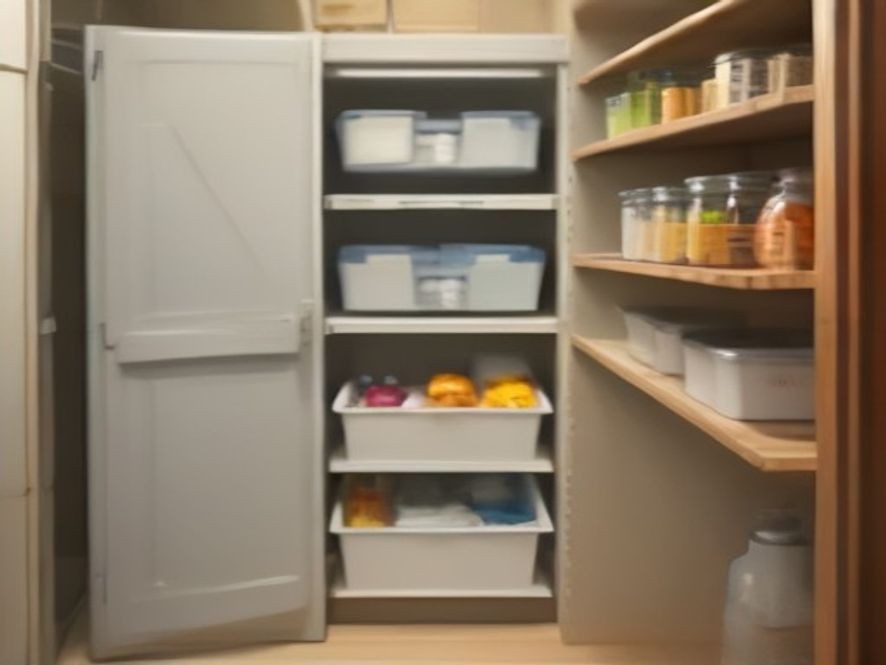
- Group by Zones: Create designated areas for baking, snacks, canned goods, and grains so you know exactly where everything belongs .
- Label and Date Everything: Write the purchase date or expiration date on containers so you know how long items have been open .
The Real Causes Behind Pantry Food Waste
A disorganized pantry doesn’t just look messy—it actively leads to wasted food and wasted money. The average family of four spends nearly $3,000 per year on food that never gets eaten . Understanding why this happens is the first step toward fixing it.
Why Food Gets Lost, Forgotten, and Expired
The main culprits are a lack of visibility and poor rotation. When you can’t see what’s in the back of your shelves, items get pushed aside and forgotten. Half-opened bags of snacks go stale, spices lose their flavor, and cans sit past their expiration dates because you simply didn’t know they were there .
“We often underestimate how much food goes to waste due to poor storage.”
The Problem with No System in Place
Without a clear system, your pantry becomes a “drop-off zone” where things get shoved in randomly . This leads to buying duplicates because you think you’re out of something, only to discover you already had three cans hiding in the back. Taking a few minutes to check your pantry before shopping is a simple habit that saves money .
A Step-by-Step Guide to a Waste-Free Pantry
Here is a simple, practical plan to transform your pantry into a system that actually helps you use up what you buy.
Step 1: The Big Clean-Out and Audit
This is the most important step. You cannot organize a full pantry. You need to start fresh.
- Empty Everything: Take every single item out of your pantry and lay it out on your counter .
- Check Expiration Dates: Go through each item. Be ruthless. Toss anything that is expired, stale, or has been open for too long .
- Watch for Spoilage Signs: Canned goods that are rusted, bulging, or dented should go in the trash. Oils that smell sour or rancid need to be thrown out. Spices that have lost their aroma won’t flavor your food .
- Donate What You Won’t Use: If you find unopened, non-expired items you know you won’t eat, donate them to a local food bank .
- Wipe Down Shelves: Before putting anything back, clean your shelves to remove crumbs and sticky spills that can attract pests .
Step 2: Use the FIFO Method
FIFO stands for “First In, First Out,” and it’s the secret weapon of professional organizers .
- How It Works: When you put away new groceries, place the new items at the back of the shelf and move the older items to the front . This means you’ll always reach for the oldest food first.
- Check Dates as You Restock: As you put items back after your clean-out, arrange them by expiration date. Put the ones that expire soonest at the front .
- Why It Matters: This simple habit prevents the “buried treasure” effect where you find a can of soup from three years ago hiding in the back . It saves you money, space, and reduces waste .
Step 3: Choose the Right Storage Containers
What you store your food in makes a huge difference in how long it lasts and how easy it is to find.
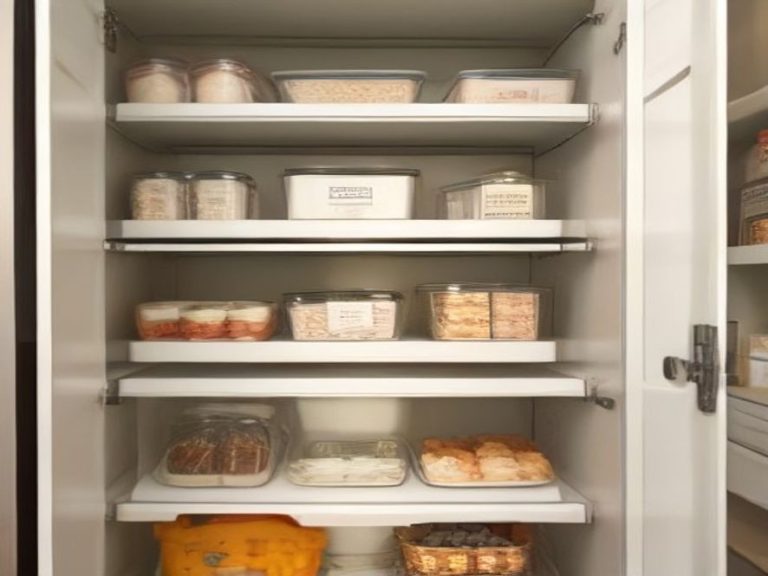
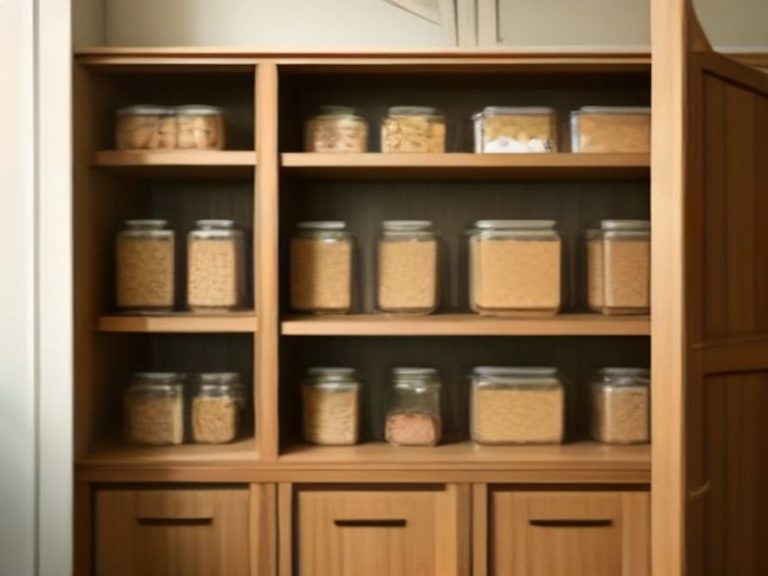
- Clear, Airtight Containers: Transfer dry goods like flour, rice, pasta, cereal, and nuts into clear containers with airtight seals . This keeps out moisture, prevents pests, and lets you instantly see what you have .
- Square or Rectangular Is Best: These shapes line up neatly and eliminate wasted space on your shelves, which is especially important in small pantries .
- Glass vs. Plastic: Glass containers are a great plastic-free option and keep food fresh for longer . If you use plastic, make sure it’s BPA-free and durable.
- Date Your Containers: When you transfer food to a new container, write the date you opened it on a label. This helps you track how long it’s been in your pantry .
Step 4: Create Functional Zones
Grouping similar items together makes your pantry intuitive and easy to navigate .
- Baking Zone: Keep all your flours, sugars, baking powder, and vanilla extract together .
- Canned Goods Zone: Group vegetables, soups, fruits, and beans in separate sections or bins .
- Snack Zone: Create a designated area for chips, granola bars, and other grab-and-go items .
- Grains and Pasta Zone: Store rice, pasta, quinoa, and oats together.
- Everyday Items at Eye Level: Put the things you use most often at eye level for easy access . Less frequently used items can go on higher or lower shelves .
Step 5: Shop Your Pantry First
Before you make a grocery list, spend five minutes checking what you already have .
- Plan Meals Around What You Own: Instead of buying ingredients for a specific recipe, look at what’s in your pantry and build meals around those items .
- Create a “Use-First” Bin: Designate a basket or bin for items that are open or nearing their expiration date. This reminds you to finish them before they go stale .
- Make Substitutions: If a recipe calls for something you don’t have, check if you can substitute with something you already own. Yogurt can replace sour cream, and canned tomatoes can stand in for fresh ones .
Step 6: Maintain Your System
Organization isn’t a one-time event—it’s a habit.
- Weekly Five-Minute Check: Spend a few minutes each week checking for expired items and straightening up .
- Clean as You Go: When you notice a spill or sticky mess, clean it up immediately to prevent pests .
- Restock with Intention: When you come home from the grocery store, take a moment to rotate items using the FIFO method .
Frequently Asked Questions
What is the FIFO method and why does it reduce food waste?
FIFO stands for “First In, First Out.” It means you place newer items at the back and older ones at the front so you always use the oldest food first, preventing it from expiring .
How do I know if canned goods have gone bad?
Check for rust, bulging lids, or deep dents. If the can hisses when opened or the food looks or smells off, throw it away .
How long do spices last in the pantry?
Ground spices typically last one to two years, while dried herbs can last up to three years. If they smell flat or not aromatic, it’s time to replace them .
What’s the best way to store flour to keep it fresh?
Store flour in an airtight container in a cool, dark place. For longer storage, keep it in the fridge or freezer .
How often should I clean out my pantry?
Do a full clean-out twice a year, and do a quick five-minute check every week to toss expired items and stay organized .
What should I do with food I know I won’t eat?
Donate unopened, non-perishable items to a local food bank before they expire. It’s a great way to reduce waste and help others .
References
Simple Solutions for a Waste-Free Kitchen:
- Delish – 8 Things In Your Pantry You Should Toss ASAP
- Better Homes & Gardens – Why a Pro Organizer Swears by the FIFO Method
- UF/IFAS Extension – Save Money By Organizing Your Pantry
- Morning Ag Clips – Shop Your Pantry First
An organized pantry is one of the smartest investments you can make in your kitchen. By using the FIFO method, choosing the right containers, and creating functional zones, you’ll waste less food, save money, and actually enjoy cooking with what you have.
Which kitchen problem do you want solved next? Share your thoughts in the comments.