Why Does My Kitchen Smell Like Damp Wood? Hidden Causes
That earthy, musty smell in your kitchen isn’t in your imagination—and it’s often a sign that moisture is hiding where you least expect it.
TL;DR
A damp wood smell usually means moisture has gotten trapped in wooden cabinets, floors, or structural materials. Common causes include slow leaks under the sink, water seeping under cabinet kickboards, condensation from appliances, or even ground moisture rising through crawl spaces. Finding and drying the source is essential—trapped moisture can lead to rot, mold, and worsening odors over time.
Key Takeaways
- Wood absorbs moisture and releases a distinct earthy, musty odor when damp—this is different from food or garbage smells
- Under-sink leaks are the most common source, even tiny drips that go unnoticed for weeks can damage cabinet floors
- Kickboards and toe-kicks under cabinets trap moisture from mopping and spills
- Crawl spaces under your kitchen can send damp odors up through unsealed floor penetrations
- Wood that stays wet can grow bacteria and mold, making the smell stronger over time
What Causes the Damp Wood Smell?
If your kitchen smells earthy, musty, or like wet timber, the culprit is almost always moisture trapped in wood . Unlike food odors, this smell is caused by bacteria or mold growing in damp wood fibers .
The science behind the smell: Wood is a porous material with tiny fibers that absorb moisture from the air or direct contact with water. When trapped inside, that moisture allows bacteria and mold spores to grow, releasing gases that create a distinct “damp” smell. Even if the surface looks dry, the deeper layers of the wood can remain wet for weeks .
Why You Can’t Always See the Source
The frustrating part is that the smell often appears long after a leak has stopped or in places you can’t easily inspect . One homeowner described this exact scenario: a small leak under the sink was fixed, but the damp wood smell appeared weeks later because water had soaked into the subfloor and cabinet base . By the time you smell it, the damage is already underway.
5 Hidden Places to Check for Damp Wood
1. Under the Kitchen Sink Cabinet
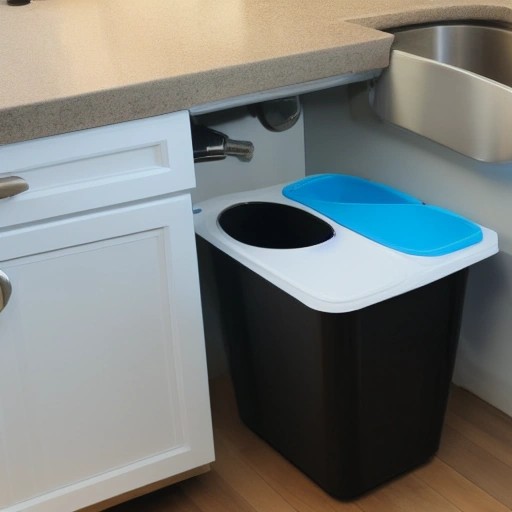
This is the most common source of damp wood smells in any kitchen . The area beneath the sink is a moisture magnet:
- Leaky pipes drip water onto the cabinet floor, which is often made of composite wood or fiberboard. These materials act like sponges and absorb odors from drain water
- Slow drips from faucet connections can go unnoticed for months behind cleaning supplies and bins
- Spilled water from washing or mopping seeps through seams and cracks
What to look for: Musty odor inside the cabinet, water stains, dark spots, soft or swollen wood, warped laminate, or bubbling on the cabinet floor . If the wood feels spongy when pressed, there’s almost certainly moisture damage.
How to fix it: Remove everything from under the sink. Check for active leaks—dry everything with a fan for 24 hours . If the floor is damaged, you may need a handyman or carpenter to replace it .
2. Under Appliance Kickboards
The kickboards and toe-kicks (the vertical panels at the bottom of cabinets) are prime hiding spots. They collect water from mopping that runs underneath . The smell may be stronger when you crouch down near the cabinets .
What to look for: Split, swollen, or damp wood at the bottom of the kickboards. Water stains or dark discoloration near the floor.
How to fix it: Remove the kickboards carefully to inspect the area underneath. Dry the space thoroughly with a fan. Consider replacing damaged boards .
3. Behind and Under Appliances
Dishwashers and refrigerators produce condensation and can trap moisture against wooden floors and cabinets:
- Dishwashers can have slow, hidden leaks from connections or door seals
- Fridge drip pans collect condensation and can overflow or develop mold, sending moisture into the floorboards
- Moisture from appliances trapped against wood creates ideal conditions for mold growth
What to look for: Pull out the dishwasher or fridge and check for dampness on the floor beneath. Look for discoloration, swelling, or soft wood. Check if the condensation pan under the fridge is full or has overflowed .
4. Hidden Leaks Inside Walls
Leaks inside walls can travel down and soak the bottom of cabinets or wooden floors. This is especially likely in older homes or after renovations .
What to look for: The smell is stronger near exterior walls or at floor level. You may see peeling paint, dark spots, or bubbling on drywall nearby .
How to fix it: You may need to open the wall or call a professional to locate and fix the leak .
5. Flooring and Subfloor
Moisture can seep through wooden flooring if there’s dampness in the crawl space beneath your kitchen . Water that has soaked into the subfloor or wooden floorboards can keep the wood damp for a long time .
What to look for: The smell is stronger at floor level. The odor may worsen in rainy weather or in winter when condensation is more likely .
How to fix it: Inspect the crawl space or basement beneath the kitchen for moisture. Seal any floor penetrations and consider installing a vapor barrier . Use products like DampRid to control moisture in enclosed spaces .
Comparison Table: Damp Wood Sources and Solutions
| Source | How to Recognize It | Best Fix |
|---|---|---|
| Under-sink cabinet | Damp wood, staining, swollen floorboards | Dry with fan, fix leaks, replace damaged wood |
| Appliance kickboards | Smell stronger at floor level, swollen bottom panels | Remove and inspect, dry thoroughly |
| Under dishwasher/fridge | Moisture on floor, discoloration | Pull out appliance, clean drip pans, fix leaks |
| Behind walls | Smell near exterior walls, visible water marks | Call a professional, dry and repair wall |
| Crawl space moisture | Smell rises through floor, worse in rain or winter | Seal floor penetrations, add vapor barrier |
How to Pinpoint the Damp Wood Source
Follow your nose with this detective plan:
- Sniff at floor level – Get down on your hands and knees and smell along the base of your cabinets, especially under the sink and around appliances
- Open your cabinets – Smell inside each cabinet, paying attention to the bottom panels and back walls
- Pull out your appliances – Check under the fridge and dishwasher for damp patches
- Check for visible signs – Look for water stains, swelling, warped wood, or peeling laminate
“Most kitchen problems come from small maintenance habits that are often ignored.”
Can It Be Mold?
Where there’s damp wood, mold is often close behind . If the smell persists after drying the area, you may have mold or mildew growth. A musty, earthy smell is a classic sign of mold, and kitchens are one of the most common places for it .
What to do: Clean the affected area with an antimicrobial solution or diluted bleach. If the mold covers a large area or you’re sensitive to it, call a professional .
When to Call a Professional
Some wood damage requires more than DIY drying. Call a professional if:
- You find extensive wood damage, like rotted, crumbling, or softened wood
- The smell returns after you’ve dried the area
- You suspect water damage inside walls or under the floor
- You see visible mold that covers more than a small patch
It’s better to fix the issue properly than to let it worsen and lead to structural damage .
FAQ
Why does my kitchen smell damp even though I can’t see any water?
Wood can absorb moisture from the air or from a past leak. The surface may look dry while deeper layers remain damp .
Is a damp wood smell a sign of mold?
Yes. Mold often grows on damp wood and produces a musty, earthy odor. Check carefully for visible mold .
Why does the smell get worse when it rains?
Ground moisture from rain can rise through crawl spaces or unsealed foundations, making the dampness worse .
How do I dry damp wood under the sink?
Remove everything from the cabinet, place a fan inside, and leave it running for at least 24 hours. You may need to repeat for several days .
Can a leak stop but still leave a damp wood smell?
Yes. Once wood has absorbed moisture, it can smell for weeks even after the leak is fixed, especially if it wasn’t properly dried out .
What’s the best way to stop a damp wood smell permanently?
Find and eliminate the moisture source, dry the wood completely, and seal it with a wood primer or sealant to prevent future absorption .
Why does my kitchen smell damp but not like garbage?
Damp wood odors are distinct from food smells. The earthy, musty scent usually points to moisture trapped in materials rather than food decomposition .
References
Expert resources for diagnosing and fixing damp wood and kitchen moisture issues:
- Sun Sentinel – Damp Wood Under Kitchen Sink
- Southern Living – Why Cabinets Smell Musty
- Angi – Musty Smell Causes and Solutions
- DKI Burlington – Checking for Under-Sink Leaks
Which kitchen problem do you want solved next? Share your thoughts in the comments.