How to Choose Kitchen Tools and Gadgets You’ll Actually Use: A Practical Guide
You know that feeling when you open a kitchen drawer and see gadgets you bought on a whim—still in their packaging, taking up space, and reminding you of money you could have saved.
Choosing the right kitchen tools isn’t about buying the most gadgets or the most expensive ones. It’s about matching tools to how you actually cook. This guide shares practical tips to help you pick kitchen tools that earn their space, fit your cooking style, and make home cooking more enjoyable.
TL;DR
Choosing kitchen tools you’ll actually use starts with understanding your cooking habits—not what looks good on social media. Focus on versatile, multi-functional tools that handle multiple tasks, invest in quality for items you use daily, and store gadgets you don’t use every day. The best kitchen tools save time, reduce frustration, and justify the space they take up.
Key Takeaways
- Match tools to your cooking style—beginners need versatile basics, bakers need precision tools, and advanced cooks can add specialty items .
- Prioritize multi-functional tools that replace several single-use gadgets to save space and money .
- Invest in quality for daily-use tools like knives and cookware—they perform better and last much longer .
- Store appliances you don’t use daily to keep counters clear and your kitchen functional .
- Before buying, ask yourself: Will I use this at least weekly? Does it have a permanent storage spot?
The Real Reason You Buy Gadgets You Never Use
The “Looks Good on Social Media” Trap
Many viral kitchen gadgets look clever online but rarely improve real kitchen workflow . The biggest mistake people make is focusing on novelty instead of practicality. A gadget that saves three seconds but takes up half your drawer isn’t really helping your kitchen .
The “Someday I’ll Use It” Mindset
Professional organizers often see kitchens filled with tools people bought for a recipe they tried once . These gadgets then sit unused for months or years. One common example is the waffle maker from a wedding shower seven years ago—still in the box, taking up precious cabinet space .
The “More Is Better” Illusion
Most home cooks regularly use fewer than 15 kitchen tools . Yet many kitchens are packed with 30 or 40 gadgets, most of which rarely get touched. Buying large knife sets is a classic example—one quality chef’s knife handles roughly 80–90% of daily cutting tasks .
Step-by-Step Guide: How to Choose Tools You’ll Actually Use
Step 1: Understand Your Cooking Style
Before buying anything, take a honest look at how you cook—not how you imagine cooking someday .
Quick meal cooks (3-4 dinners a week): Prioritize speed and convenience tools.
Beginner cooks: Start with versatile basics that handle many recipes .
Baking enthusiasts: Invest in precision tools like a digital kitchen scale and accurate measuring equipment .
Healthy meal planners: Focus on prep tools like peelers, graters, and portion-control items .
Advanced home chefs: Add specialty tools after mastering basics .
Step 2: Start with the Essentials
Every kitchen needs a core toolkit that can handle the majority of recipes. These are the foundation :
- Chef’s knife (8–10 inches) – your most important tool
- Cutting board (wood or plastic)
- Measuring cups and spoons (dry and liquid)
- Mixing bowls (nesting sets save space)
- Silicone spatula and wooden spoon
- Tongs and whisk
- Colander and vegetable peeler
- Can opener
Step 3: Choose Multi-Functional Over Single-Use
Multi-functional tools consistently outperform single-purpose gadgets because they justify the space they occupy . For example, the Cupid’s Arrow 6-in-1 tool can strain, stir, grate, mash, and whisk—replacing up to six different utensils for around $13 .
“The most successful kitchen utilities reduce movement between cooking zones rather than simply adding convenience.”
What to look for:
- Immersion blenders with whisk and chopper attachments
- Collapsible colanders and measuring cups that fold flat
- Magnetic knife strips instead of bulky knife blocks
- Stackable food storage containers
Step 4: Consider Quality vs. Budget
Not every kitchen tool needs a premium upgrade. But invest in quality for tools you use daily .
Where quality matters most:
- Knives: A single good chef’s knife is more valuable than an entire cheap set
- Cookware: Premium pans heat more evenly and last decades
- Small appliances with motors: Better motors mean longer lifespan
Where budget works fine:
- Measuring cups and spoons
- Utensils like spatulas and tongs
- Mixing bowls
- Baking sheets
Step 5: Test the “Earn Its Space” Rule
Before buying any new gadget, ask yourself three questions :
- Will I use this at least weekly? If not, think twice.
- Is there a storage spot that IS NOT the kitchen counter? If not, reconsider .
- Does it replace at least two single-use tools? If not, it may not be worth the space.
Comparison Table: Smart vs. Impulse Kitchen Tool Buying
| Buying Approach | Smart Choice | Impulse Choice |
|---|---|---|
| Knives | One good chef’s knife | 15-piece knife block set |
| Gadgets | Multi-functional tool (does 6 jobs) | Six separate single-use gadgets |
| Appliance | Immersion blender (blends, whisks, chops) | Full blender + hand mixer + chopper |
| Storage | Magnetic knife strip (saves counter space) | Bulky knife block on counter |
| Cookware | One good skillet + one saucepan | 12-piece cookware set |
| Counter | Only daily-use appliances | Everything you own |
FAQ Section
How do I know which kitchen tools I actually need?
Start with your cooking style and frequency. Beginners need versatile basics, while advanced cooks can add specialty tools .
What’s the one tool every kitchen needs?
A quality chef’s knife. It handles 80–90% of daily cutting tasks and is safer than using dull or wrong tools .
Should I buy expensive or budget kitchen tools?
Invest in tools you use daily—knives, cookware, and your most-used appliance. Budget versions work fine for occasional-use items .
How can I avoid buying gadgets I never use?
Ask yourself: Will I use this weekly? Does it have a storage spot? Does it replace at least two other tools?
Why do my cheap kitchen tools wear out so fast?
Budget cookware often uses thinner materials that warp or degrade after months of use. Premium tools last decades due to better construction .
What’s the best way to organize small kitchen tools?
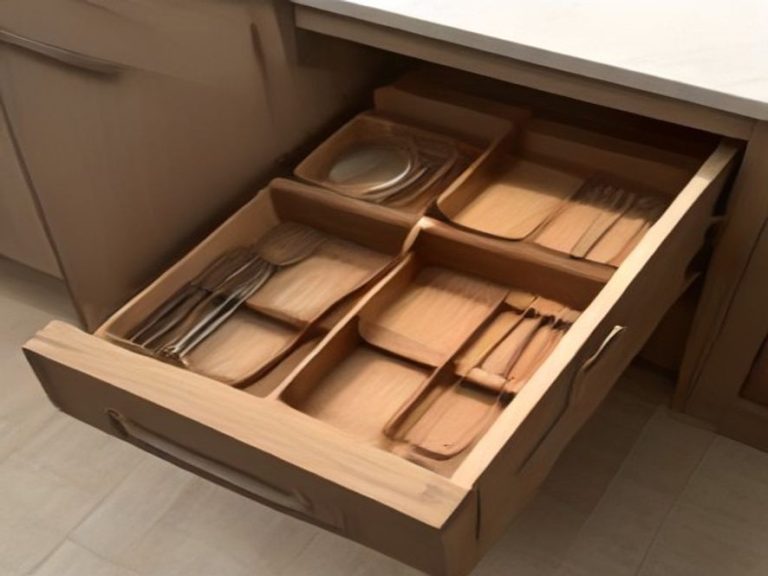
Use vertical storage like magnetic strips, wall-mounted racks, and drawer organizers. Store appliances you don’t use daily .
Is it worth buying multi-functional gadgets?
Yes—tools that handle multiple tasks reduce clutter and save money. The Cupid’s Arrow, for example, replaces six tools for $13 .
References
More Kitchen Tool Selection Guides & Expert Tips:
- Coohom – How to Choose Equipment for Your Cooking Style
- Coohom – Budget vs. Premium Kitchen Tools Comparison
- Movers.com – Tips for Avoiding Kitchen Clutter
- Real Simple – 6-in-1 Multi-Functional Kitchen Tool Review
Which kitchen tool have you bought but never used? Share your thoughts in the comments.