Kitchen Essentials for Induction Cooktops: Your Complete Compatibility Guide
That sleek glass cooktop heats up in seconds and boils water faster than you’d believe—but only if you have the right pans to make the magic happen.
You’ve probably heard the buzz about induction cooktops. They’re fast, energy-efficient, and incredibly precise. But if you’ve just bought one or are considering the switch, you might be staring at your current cookware collection with some uncertainty. The good news? You probably already own some compatible pieces. The key is understanding what works, what doesn’t, and what tools make induction cooking a breeze.
TL;DR
- Only magnetic cookware works on induction—cast iron, carbon steel, and most stainless steel are compatible .
- Use the magnet test to check your existing pans—if a fridge magnet sticks firmly to the bottom, it will work .
- Look for a flat, thick base for even heating and to prevent warping .
- Avoid sliding pans on the glass surface—lift them instead to prevent scratches .
- Induction adapter plates can make non-compatible pans work, but they’re not as efficient .
How Induction Cooking Actually Works
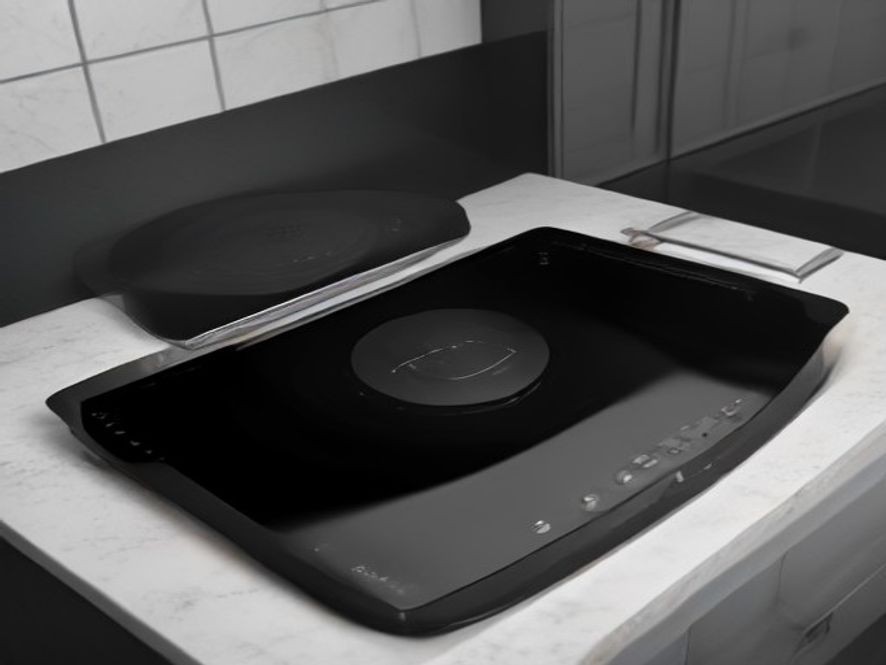
Unlike gas or traditional electric stoves, induction cooktops don’t produce heat themselves. Instead, they create a magnetic field that heats the pan directly . This means the cooktop surface stays relatively cool, and the pan itself becomes the heat source. It’s faster, more energy-efficient, and safer—no open flame, no glowing red element .
But here’s the catch: because the heating relies on magnetism, your cookware needs to be magnetic to work. Aluminum, copper, glass, and ceramic pans simply won’t heat up unless they have a special magnetic base built in .
The Best Cookware Materials for Induction
Stainless Steel
Most quality stainless steel cookware works on induction, but not all. Look for “fully-clad” stainless steel, which typically has a magnetic stainless steel exterior . Brands like All-Clad, Cuisinart, and many others offer induction-ready stainless sets . The benefit? It’s durable, dishwasher-safe, and versatile for almost any cooking task .
Cast Iron
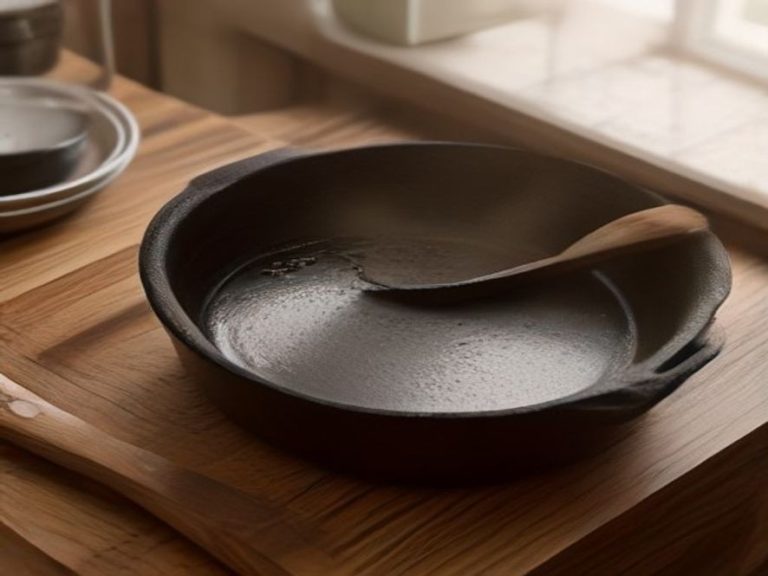
Cast iron is naturally magnetic and works wonderfully on induction . It retains heat exceptionally well, making it perfect for searing steaks or slow-cooking stews . Just remember to lift the pan rather than slide it to avoid scratching the glass surface . And be careful—cast iron is heavy!
Carbon Steel
Like cast iron, carbon steel is magnetic and induction-friendly . It’s lighter than cast iron but offers similar heat retention and develops a natural nonstick surface with seasoning .
Enameled Cast Iron
Brands like Le Creuset offer enameled cast iron that’s fully induction-compatible . The enamel protects the iron from rusting and makes cleaning easier, while the magnetic base ensures excellent performance .
Ceramic Nonstick
Some ceramic-coated cookware works on induction, but only if it has a magnetic stainless steel base . Always check the label for the induction symbol or test with a magnet .
What to Look for When Buying Induction Cookware
Flat, Thick Base
A flat, thick bottom ensures full contact with the cooktop surface . Thin or warped pans heat unevenly and may make noise during cooking . Good quality construction matters more on induction than on any other cooktop .
Magnetic Construction
Use the 30-second magnet test: hold a household magnet to the base of any pan. If it grabs firmly, the pan will work on induction . A weak or no pull means it won’t heat properly . You can also look for the induction symbol—a coil of loops—on the bottom or packaging .
Proper Size
Use a pan that matches the cooking zone size . A pan that’s too small won’t heat efficiently, and one that’s too large may interfere with the control panel or cause uneven heating .
Care Instructions
Some induction cookware is dishwasher-safe, but hand washing is often recommended to extend the life of the pan . Cast iron requires seasoning and should never go in the dishwasher .
Comparison of Induction-Compatible Cookware
| Cookware Material | Works on Induction? | Pros | Cons | Dishwasher Safe? |
|---|---|---|---|---|
| Cast Iron | ✅ Excellent | Great heat retention, naturally nonstick when seasoned | Heavy, requires seasoning | ❌ No |
| Stainless Steel (Fully-Clad) | ✅ Yes | Durable, versatile, even heating | Food can stick, learning curve | ✅ Usually |
| Carbon Steel | ✅ Yes | Lightweight, fast heat response | Requires seasoning | ❌ No |
| Enameled Cast Iron | ✅ Yes | Easy to clean, great heat retention | Heavy, can chip | ❌ Hand wash recommended |
| Ceramic Nonstick | ✅ If magnetic base | Easy cleanup, PFAS-free options | Coating can wear over time | ✅ Sometimes |
| Aluminum | ❌ Not unless magnetic base added | Lightweight, affordable | Not induction-compatible | N/A |
| Copper | ❌ Not unless magnetic base added | Excellent heat control | Expensive, requires polishing | N/A |
| Glass/Ceramic | ❌ No | Looks beautiful | Not induction-compatible | N/A |
What About Induction Adapter Plates?
If you have a favorite pan that’s not induction-compatible, you can use an induction adapter plate . These stainless steel discs sit on your cooktop, heat up magnetically, and transfer heat to your pan . They work, but they’re less efficient than using a compatible pan directly . Keep in mind:
- They get very hot—use caution when handling
- Don’t use more than ¾ power
- They’re best for warming, not high-heat cooking
Tips for Cooking with Induction
Protect Your Cooktop
Always lift pans instead of sliding them to avoid scratching the glass surface . Even a small grain of salt or sand can cause scratches if you slide a heavy pan across it.
Manage Heat Carefully
Induction heats up incredibly fast. Start with medium heat and adjust from there—you can always increase it, but burnt food is hard to fix . Some appliances recommend avoiding the “boost” function for most cooking tasks .
Make Sure the Pan Fits
Use a pan size that matches your cooking zone. A pan that’s too large or too small reduces efficiency and can even cause the cooktop to shut off as a safety measure .
Clean With Care
Use a specialized cooktop cleaner and a soft cloth to keep your induction surface looking great. Avoid abrasive sponges or cleaners that can scratch the glass .
FAQ: Induction Cookware Questions Answered
Can I use any pan on an induction cooktop?
No. Only cookware with a magnetic base works. Aluminum, copper, glass, and ceramic won’t heat unless they have a magnetic layer .
How do I know if my pan is induction-compatible?
Hold a magnet to the base. If it sticks firmly, the pan is compatible. You can also look for the induction symbol on the bottom or packaging .
Does stainless steel work on induction?
Most quality fully-clad stainless steel is magnetic and works. A few non-magnetic grades don’t, so test with a magnet .
Is cast iron good for induction cooktops?
Yes, cast iron is naturally magnetic and works excellently. Just lift rather than slide it to protect the glass surface .
Why is my pan making noise on my induction cooktop?
Some cookware can buzz or click due to how the magnetic field interacts with the pan’s base . This is usually normal, especially with “sandwich” bases .
Can I use an induction adapter plate?
Yes, it can make non-compatible pans work, but it’s less efficient. Use caution—it gets very hot .
What’s the best pan material for induction?
Fully-clad magnetic stainless steel is the best all-around choice. Cast iron and carbon steel also work excellently .
Choose the right cookware for your induction cooktop, and you’ll enjoy faster, more precise cooking every day.
- Midea Canada: Best Cookware for Induction Cooktop Guide
- Alva Cookware: Best Induction Cookware Guide
- Le Creuset: Guide to Induction Cookware
What induction cooktop challenge are you facing? Drop a comment below—I’d love to help you get cooking.