Kitchen Essentials That Last for Years With Proper Care: Your Longevity Guide
That well-worn cast iron skillet your grandmother used for decades isn’t a relic—it’s proof that the right kitchen tools, with proper care, can truly last a lifetime.
Think about the last time you threw away a scratched nonstick pan or a cracked plastic cutting board. It probably wasn’t that long ago. Many modern kitchen tools are designed to be replaced every few years, but that doesn’t mean you have to settle for disposable cookware. With a little knowledge and some simple habits, you can build a collection of kitchen essentials that will serve you for decades—and maybe even become heirlooms.
TL;DR
- Invest in timeless materials like cast iron, stainless steel, carbon steel, and hardwood—they age beautifully and can be restored rather than replaced .
- Stainless steel and cast iron cookware can last for decades or even a century with proper care .
- Wooden utensils and cutting boards need regular oiling and hand-washing to prevent cracking and drying .
- Skip the dishwasher for your best tools—hand-washing extends the life of cookware, knives, and wooden items .
- Read appliance manuals and clean regularly—simple maintenance can double the lifespan of your kitchen appliances .
Cookware That Stands the Test of Time
The materials you choose make all the difference. Some cookware is designed to last a lifetime, while others are built for convenience and will need replacing every few years.
Cast Iron: The Century-Old Workhorse
Cast iron is right up there with stainless steel when it comes to durable cookware materials. A well-seasoned cast iron skillet can last a century—and many families pass them down from one generation to the next . It’s so sturdy that it can be used on any type of stove or even over a fire .
The secret to cast iron’s longevity is its seasoning—the layer of polymerized oil that creates a natural nonstick surface. With proper care, this seasoning actually improves with age .
How to make it last:
- Season your pan regularly by scrubbing it with mild dish soap and warm water, applying a thin coat of vegetable oil, and baking it upside down in a 450-500°F oven for an hour .
- Always hand-wash—dishwashers remove the seasoning and can cause rust .
- Dry thoroughly after each wash and apply a light coating of oil before storing .
- If food is caked on, simmer some water in the pan for a few minutes to loosen the residue .
Stainless Steel: The Professional’s Choice
Stainless steel cookware is a favorite in commercial kitchens because of its versatility, durability, and ability to handle heavy use . Unlike nonstick pans that may need replacing every two to five years, stainless steel can last for decades .
What makes stainless steel so durable? It’s nonreactive, can handle high temperatures for searing and sautéing, and is often oven-safe up to 600°F . Plus, many quality sets come with limited lifetime warranties .
How to make it last:
- Hand-wash to extend its life—it’s safer for the pan .
- Use a stainless steel cleaner or Bar Keeper’s Friend to remove stubborn stains .
- Avoid using salt directly in a dry pan—stir it into liquid first to prevent pitting .
- Preheat the pan on medium heat for 2-3 minutes before cooking to create a natural nonstick effect .
Carbon Steel: The Lightweight Alternative
Carbon steel is a favorite of professional chefs for good reason . It offers similar benefits to cast iron—excellent heat retention and a naturally nonstick surface when seasoned—but it’s lighter and responds to temperature changes more quickly .
Like cast iron, carbon steel needs to be seasoned and requires hand-washing to maintain its protective layer .
Knives, Cutting Boards, and Utensils
Your prep tools are just as important as your cookware. The right materials and care practices can keep them sharp and functional for years.
Quality Chef’s Knife
A good chef’s knife is worth every penny. Instead of replacing dull bargain knives every few years, one well-made knife can last decades with regular sharpening . A sharp knife is also safer because it requires less force and is less likely to slip .
How to make it last:
- Hand-wash knives—dishwashers dull blades and damage handles .
- Store knives in a block, on a magnetic strip, or with blade guards to protect the edge.
- Hone regularly and sharpen professionally when needed.
Wooden Cutting Boards
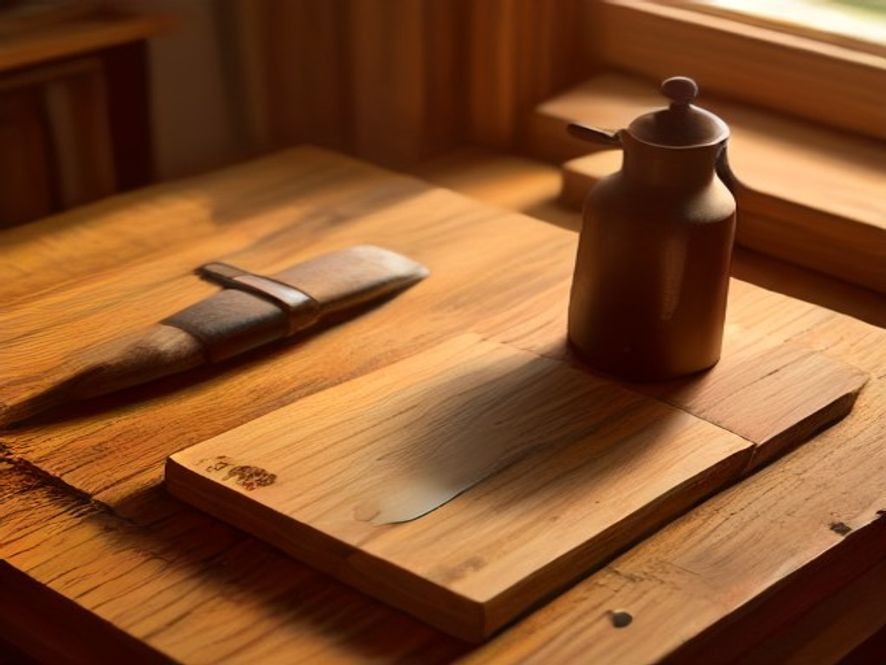
A quality hardwood cutting board is a kitchen staple built to last. Maple, walnut, and cherry boards are especially durable and can withstand years of daily chopping when properly maintained . Unlike plastic boards that develop deep grooves and discoloration, a wooden board can often be lightly sanded and restored to look nearly new .
How to make it last:
- Never put wooden boards in the dishwasher—the high heat and water will strip protective oils and cause warping .
- Hand-wash in warm water with gentle dish soap, and dry immediately with a tea towel .
- Leave chopping boards on their long edge to dry and avoid warping .
- Condition regularly with food-safe oil or a beeswax balm to prevent cracking and drying .
- Heavy use: condition every 2-4 weeks .
- Light use: condition every 1-2 months .
- Signs it’s time: wood looks dull, dry, or feels rough .
- For odors, rub a slice of lemon over the board before washing .
- Avoid vegetable oils like olive or canola—they can go rancid .
Wooden Utensils
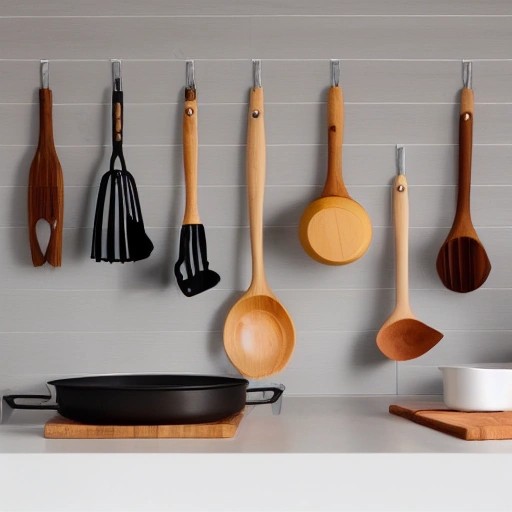
Hardwood utensils are a smart swap for plastic—they’re hardwearing, affordable, and non-toxic . Beech, maple, walnut, and olive wood are excellent choices with tight grain that resists moisture and dirt .
How to make it last:
- Hand-wash only—the dishwasher will strip protective oils and cause the wood to expand and crack .
- Dry thoroughly and stand them up in a pot to dry with no part sitting in water .
- Condition regularly with food-safe oil or beeswax balm to prevent drying and maintain the finish .
Appliances That Go the Distance
Your major appliances represent a significant investment, and simple maintenance habits can dramatically extend their lifespan.
Read the Manual
It sounds simple and obvious, yet so many of us skip it entirely. Fully reading your appliance instruction manuals is the first thing you should do when welcoming new appliances into your home . Manufacturers know exactly what their products can handle, when they must be cleaned, and which products are compatible with them .
What to look for:
- Recommended temperature settings.
- Regular defrosting and cleaning frequency.
- Capacity limits (overloading a dishwasher blocks spray arms and leads to wear) .
- Condenser coil cleaning for refrigerators (recommended twice a year) .
- Proper cleaning methods for each specific appliance.
Regular Cleaning and Maintenance
Wipe down your appliances regularly—not just for appearance, but to make them last longer and function more effectively . Appliances that sit out on counters get covered in oil, food debris, dust, and bacteria, and this grime can affect their performance .
Deep cleaning schedule:
- After each use: Wipe down appliances to remove grease and food residue.
- End of the night: Give daily-use items like toasters and stovetops extra attention .
- Every few months: Deep clean appliances like toasters, ovens, and coffee makers .
- Always unplug appliances before cleaning to avoid electrical shorts and damage from power surges .
Store Equipment Properly
Smaller appliances shouldn’t live on your countertop unless they’re being used daily . Storing them properly keeps them clean and protects them from dust, grease, and accidental damage.
The One Rule That Covers Everything
Hand-wash your best kitchen tools. This single habit extends the life of cookware, knives, wooden utensils, and even dishwasher-safe items . Yes, it takes a few extra minutes, but those minutes add years to your tools.
“The greenest tool is almost always the one already in your kitchen” . Building a kitchen collection that lasts isn’t about buying everything at once—it’s about choosing quality, maintaining what you have, and replacing only when something truly fails .
Comparison of Long-Lasting Kitchen Essentials
| Item | Material | Lifespan Potential | Key Care Rule | Dishwasher Safe? |
|---|---|---|---|---|
| Skillet | Cast Iron | 100+ years | Season regularly, always hand-wash | ❌ No |
| Cookware | Stainless Steel | Decades | Use gentle cleaners, avoid salt in dry pan | ✅ Usually |
| Skillet | Carbon Steel | Decades | Season and hand-wash like cast iron | ❌ No |
| Mixing Bowls | Stainless Steel | Decades+ | Won’t shatter, stain, or absorb odors | ✅ Yes |
| Cutting Board | Hardwood | 10-20+ years | Oil regularly, never in dishwasher | ❌ No |
| Utensils | Hardwood | 5-10+ years | Hand-wash, oil regularly | ❌ No |
| Baking Sheets | Aluminum/Steel | Decades | Simple hand-wash extends life | ✅ Usually |
| Dutch Oven | Enameled Cast Iron | Lifetime | Avoid thermal shock, hand-wash | ❌ Hand wash recommended |
| Chef’s Knife | High-Carbon Steel | Decades | Hand-wash, hone regularly, sharpen professionally | ❌ No |
FAQ: Long-Lasting Kitchen Essentials
What kitchen tools last the longest?
Cast iron skillets, stainless steel cookware, quality chef’s knives, and hardwood cutting boards and utensils are known to last for decades or even generations with proper care .
Can cast iron really last 100 years?
Yes! With proper seasoning and hand-washing, cast iron skillets can last a century or more. Many families pass them down through generations .
How do I care for wooden cutting boards and utensils?
Never put them in the dishwasher. Hand-wash with warm, soapy water, dry immediately, and regularly condition with food-safe oil or beeswax balm to prevent cracking .
Is stainless steel cookware better than nonstick for longevity?
Yes. Nonstick pans typically need replacing every 2-5 years, while stainless steel can last for decades .
How often should I season my cast iron pan?
Season when you notice food starting to stick or the surface looks dull. With regular use, a cast iron skillet may only need seasoning once or twice a year if properly maintained .
What’s the most important thing I can do to make appliances last longer?
Read the instruction manual and follow its care recommendations. Regular cleaning, proper loading, and not overloading your appliances will significantly extend their lifespan .
How often should I oil my wooden cutting board?
If used daily for chopping and washing, condition every 2-4 weeks. For occasional use, every 1-2 months is sufficient .
Invest in quality materials, develop simple care habits, and your kitchen essentials will serve you for decades to come.
- Yahoo Life: Kitchen Essentials That Last a Lifetime
- The Guardian: How to Care for Wooden Kitchen Utensils
- Tasting Table: Tips to Make Kitchen Appliances Last Longer
- Consumer Reports: Best Frying Pans for Every Food
Which kitchen essential do you want to make last longer? Share your thoughts in the comments—I’d love to offer more specific tips.