Why Does My Wooden Spoon Smell Bad? Causes and Easy Cleaning Solutions
That weird, musty smell clinging to your favorite wooden spoon can ruin your cooking mood—but fixing it is simpler than you think.
You’re stirring a pot of tomato sauce, and suddenly you catch a whiff of something off. It’s not the sauce. You sniff the wooden spoon, and sure enough, it smells like last week’s garlic and onion. It’s embarrassing when guests are over, and it makes you wonder if your food is safe. Don’t throw that spoon away! This guide will explain why wooden spoons absorb odors and show you the best way to clean and deodorize them for good.
TL;DR (Too Long; Didn’t Read)
- Cause: Wood is porous and absorbs food particles, oils, and strong odors like garlic and onion over time .
- Main Culprits: Not cleaning thoroughly, leaving spoons to soak in water, and using harsh soaps that don’t penetrate the wood .
- Prevention: Wash immediately after use, dry thoroughly, and oil your spoons regularly to seal the wood .
- Easy Fix: Baking soda and lemon juice or white vinegar can remove even the strongest smells in minutes .
Key Takeaways
- Act Fast: The sooner you clean a wooden spoon after cooking, the less time odors have to settle in .
- Skip the Soak: Never leave wooden utensils soaking in water—they absorb moisture and odors .
- Deep Clean Regularly: A monthly deep-cleaning with baking soda keeps smells away .
- Oil for Protection: Seasoning your spoons with food-grade mineral oil creates a barrier that repels odors .
The Real Causes Behind Smelly Wooden Spoons and How to Fix Them
Wooden spoons are kitchen workhorses. They don’t scratch your pans, they’re gentle on food, and they look beautiful. But their biggest weakness is also their greatest strength: wood is porous.
Think of wood like a sponge with tiny holes. When you stir a pot of garlicky sauce or onion soup, those tiny holes trap food particles and oils. Over time, these bits break down and create odors. The smell isn’t just on the surface—it’s embedded in the wood.
Why Wooden Spoons Absorb Odors
Here are the most common reasons your spoon smells bad:
- The Porous Problem: Wood contains microscopic pores that absorb liquids. When you cook with strong-smelling ingredients, the wood holds onto those flavors .
- Incomplete Cleaning: Wiping a spoon with a soapy sponge removes surface grime but often leaves food residue deep in the wood grain .
- Soaking Mistakes: Leaving a spoon to soak in the sink might seem helpful, but it actually makes things worse. The wood absorbs the soapy water, and if the water has food bits in it, your spoon soaks those up too .
- Heat Damage: Leaving a wooden spoon in a hot pan or near a stove can dry it out, causing it to crack. Those cracks become perfect hiding spots for smelly food particles .
- Old Cooking Oil: Over time, oils from food can go rancid inside the wood, creating a sour or musty smell .
Step-by-Step Guide: How to Remove Bad Smells from Wooden Spoons
You don’t need fancy chemicals or expensive cleaners. Here are simple, natural ways to make your wooden spoon smell fresh again.
Method 1: Baking Soda Paste (Quick Fix)
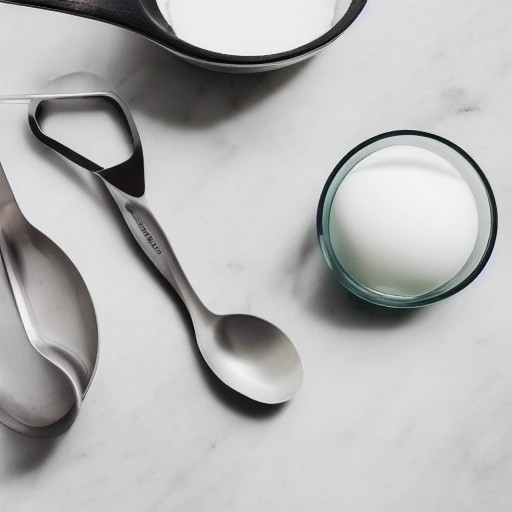
Step 1: Make a paste using 2 tablespoons of baking soda and a few drops of water. It should be thick enough to spread.
Step 2: Rub the paste all over the spoon, focusing on the areas that smell the worst.
Step 3: Let it sit for 10-15 minutes. The baking soda will absorb the odors.
Step 4: Scrub with a soft sponge and rinse with warm water. Dry thoroughly.
Method 2: Lemon and Salt (Scrub and Deodorize)
Step 1: Cut a lemon in half.
Step 2: Sprinkle a generous amount of coarse salt onto the spoon.
Step 3: Use the cut side of the lemon to scrub the salt into the wood. The lemon juice cuts through grease while the salt acts as a gentle abrasive.
Step 4: Rinse with warm water and dry.
Method 3: White Vinegar Soak (Deep Clean)
Step 1: Mix equal parts white vinegar and water in a bowl or sink.
Step 2: Place the spoon in the mixture and let it soak for 15-20 minutes. Do not leave it longer than 30 minutes, or the vinegar can damage the wood .
Step 3: Remove the spoon, wash with mild dish soap, and rinse well.
Step 4: Dry immediately with a towel.
Method 4: Baking Soda and Vinegar (The Power Combo)
Step 1: Sprinkle baking soda over the spoon.
Step 2: Pour a little white vinegar over the baking soda. It will fizz and bubble, which helps lift odors.
Step 3: Let it sit for 5-10 minutes, then scrub and rinse. This method is excellent for removing strong onion or garlic smells.
Method 5: Sunlight (The Natural Approach)
Sometimes, the simplest solution is the best. Place your spoon in direct sunlight for a few hours. The sun’s UV rays are a natural deodorizer that can eliminate residual smells. Be careful not to leave the spoon in direct hot sun for more than a day as it can cause cracking .
Step-by-Step Guide: How to Prevent Bad Smells
An ounce of prevention is worth a pound of cure. Here’s how to keep your wooden spoons smelling great forever.
Step 1: Wash Immediately
Don’t let food dry on your spoon. Wash it right after cooking. The longer food sits, the more it penetrates the wood.
Step 2: Hand Wash Only
Never put wooden spoons in the dishwasher. The heat and harsh detergents break down the wood fibers and create cracks that trap odors .
Step 3: Dry Properly
Towel dry your spoon immediately after washing. Don’t let it air dry sitting flat on the counter. Stand it upright to allow air to circulate around the handle and tip.
Step 4: Oil Regularly
This is the secret to a long-lasting, odor-free wooden spoon. Once a month, rub a small amount of food-grade mineral oil or a beeswax-based conditioner into the wood. Let it soak in for a few hours, then wipe off any excess. The oil fills the pores, creating a barrier that repels liquids and food particles .
Step 5: Rotate Your Spoons
If you cook with garlic and onion daily, have a dedicated “smelly” spoon and a “sweet” spoon for desserts. This prevents cross-contamination of odors.
Comparison Table: Deodorizing Methods for Wooden Spoons
| Method | Purpose | Effectiveness | Difficulty Level | Cost |
|---|---|---|---|---|
| Baking Soda Paste | Absorbs surface and deep odors. | High for mild to moderate smells. | Easy | Very Low |
| Lemon & Salt Scrub | Cuts grease and scrubs away residue. | High for greasy or oily smells. | Easy | Very Low |
| White Vinegar Soak | Neutralizes alkaline odors and disinfects. | High for musty or sour smells. | Easy | Very Low |
| Baking Soda & Vinegar | Lifts deep-seated odors with fizzing action. | Very High for strong garlic/onion. | Easy | Very Low |
| Sunlight Exposure | Natural UV deodorization. | Medium for surface smells. | Very Easy | Free |
| Mineral Oil Treatment | Seals wood to prevent future odors. | Excellent for prevention. | Easy | Low to Medium |
Frequently Asked Questions (FAQ)
Why does my wooden spoon smell bad even after washing?
Wood is porous and absorbs food particles and oils. Regular washing removes surface grime but may not reach deep-seated residues that create odors over time .
How do I remove onion and garlic smells from wooden spoons?
Rub a paste of baking soda and water onto the spoon, let it sit for 15 minutes, then scrub and rinse. You can also use lemon juice and salt to cut through the oils .
Can I put wooden spoons in the dishwasher?
Never put wooden spoons in the dishwasher. The high heat and harsh detergents can dry out, crack, and warp the wood, creating more space for odors .
How often should I oil my wooden spoons?
Oil your wooden spoons about once a month. If they look dry, pale, or rough, it’s time to oil them. Regular oiling prevents odors by filling the wood’s pores .
Why does my wooden spoon smell musty?
A musty smell usually comes from trapped moisture. Ensure you towel dry your spoon immediately after washing and store it in a dry place with good airflow .
Can I bleach a wooden spoon to remove smells?
No, bleach is too harsh and can damage the wood and leave harmful residues. Stick to natural cleaners like baking soda, lemon, and vinegar .
Is it safe to cook with a smelly wooden spoon?
Yes, a smelly spoon is generally safe, but the smell can transfer to your food. It’s better to deep-clean it before use to avoid altering the flavor of your dish .
References
Expert Advice on Caring for Wooden Kitchen Tools
- Southern Living: How to Get the Smell Out of Wooden Spoons
- HGTV: How to Clean Wooden Spoons
- The Kitchn: How to Clean Wooden Spoons
- Food Network: How to Clean Wooden Utensils
Which kitchen problem do you want solved next? Share your thoughts in the comments.