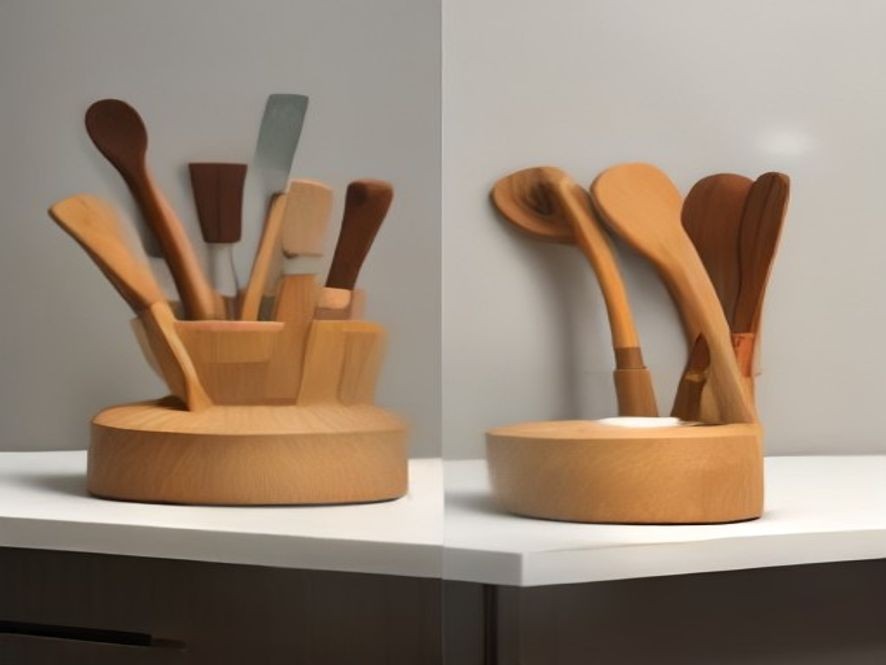
Wooden vs Silicone Cooking Utensils: Which Is Better?
You’re standing in the kitchen aisle, staring at two spatulas that look almost identical, and you have no idea which one to buy.
One is made of smooth, warm wood. The other is bright, flexible silicone. Both promise they won’t scratch your pans. Both seem like they’ll last forever. So which one actually deserves a spot in your kitchen drawer?
The honest answer is that neither is definitively better. It depends entirely on what you’re cooking and how you like to cook . But understanding the strengths and weaknesses of each material will help you choose—or maybe even decide to keep both.
The Case for Wooden Utensils
Wooden utensils have been around for centuries, and there’s a reason they haven’t disappeared. They offer a cooking experience that’s hard to replicate.
They’re naturally non-conductive. If you leave a wooden spoon resting against a hot pan, it won’t burn your hand when you pick it up again . This is a small but meaningful comfort when you’re stirring a bubbling sauce for a long time.
They’re incredibly gentle on cookware. Whether you’re using a non-stick skillet, a cast iron pan, or an enameled Dutch oven, wood won’t scratch any surface . High-quality hardwoods like teak, beech, and acacia are particularly durable and resistant to cracking .
They have a natural antimicrobial property. This might sound surprising, but studies suggest that bacteria absorbed into wood can’t continue to grow there . Of course, this only works if you clean and dry your utensils properly.
And they just feel right in your hand. Many home cooks and chefs prefer the firm, stable grip of a wooden spoon, especially for stirring thick batters or heavy stews .
Wooden utensils are also eco-friendly. They’re made from renewable resources and are biodegradable, which is a big plus if sustainability matters to you .
The Downsides of Wood
Wood demands more care. You have to hand wash wooden utensils and let them dry completely—usually for about 24 hours with good airflow—before storing them .
If you don’t, they can crack, warp, or even grow bacteria. The dishwasher is an absolute no-go because the heat and moisture will dry them out and cause splitting .
They can also absorb strong odors and stain over time, especially if you cook with tomatoes, beets, or other pigmented foods .
The Case for Silicone Utensils
Silicone is the modern contender, and it has won over many cooks for good reasons.
It’s incredibly convenient. Most silicone utensils are dishwasher-safe, which is a massive time-saver . They’re nonporous, stain-resistant, and don’t absorb odors .
They’re heat-resistant. High-quality food-grade silicone can typically withstand temperatures up to 428°F to 450°F, and some premium versions go as high as 600°F . This makes them suitable for most stovetop cooking tasks.
They’re flexible. This is their superpower. The flexible edge of a silicone spatula is perfect for scraping every last bit of batter from a bowl or sliding under a delicate fish fillet without breaking it .
And they’re safe. Experts agree that high-quality, food-grade silicone is safe for cooking. It doesn’t contain BPA, phthalates, or other concerning additives often found in plastics .
The Downsides of Silicone
The market is flooded with low-quality silicone. If it’s not 100% food-grade, it may contain fillers that aren’t heat-stable and could degrade over time .
They can feel flimsy. For heavy tasks like smashing burgers or stirring thick dough, silicone utensils can feel too soft and lack the control of a firm wooden spoon .
And they can be hard to clean. A Spanish lab test found that silicone utensils can harbor more bacteria than wood or stainless steel, especially as they develop small scratches and wear over time . This doesn’t mean they’re unsafe, but it highlights the importance of quality and careful cleaning.
Which One Should You Choose?
| Feature | Wooden Utensils | Silicone Utensils |
|---|---|---|
| Best For | Stirring, heavy mixing, serving, table presentation | Scraping bowls, flipping delicate foods, non-stick pans |
| Heat Resistance | High; stays cool to the touch | High (up to ~450°F); can soften at extreme temps |
| Cookware Safety | Won’t scratch any surface | Won’t scratch any surface |
| Cleaning | Hand wash only; air-dry thoroughly | Usually dishwasher-safe |
| Maintenance | Requires occasional oiling to prevent drying | Minimal; replace if cracking or deforming |
| Durability | Can last decades with proper care | Quality varies; cheap tools wear out faster |
| Hygiene | Antimicrobial when properly dried | Nonporous, but can trap bacteria in scratches |
| Eco-Friendliness | Renewable, biodegradable | Synthetic, not biodegradable |
| Feel | Firm, stable, natural | Flexible, sometimes flimsy |
Simple Solutions to Common Questions
Can I use a wooden spoon for everything?
Almost. They’re fantastic for stirring, sautéing, and serving. Avoid using them for raw meat to prevent cross-contamination .
Are silicone utensils worth the money?
Yes, if you invest in high-quality, food-grade silicone (look for “LFGB-certified” or “100% food-grade”). Avoid very cheap options that may contain harmful fillers .
Why do my silicone utensils smell after washing?
This could be a sign of low-quality silicone that’s absorbing grease and odors. A quick soak in vinegar and water can help .
What should I look for when buying wooden utensils?
Choose dense hardwoods like teak, beech, or acacia. Hand wash and dry them thoroughly to prevent cracking .
How often should I replace silicone utensils?
Replace them if they become cracked, sticky, or discolored, as these signs indicate degradation .
Do chefs prefer wood or silicone?
Many chefs prefer wooden utensils for their feel, control, and heat resistance, but silicone is widely used for its flexibility and convenience in baking .
FAQ
Why does my wooden spoon leave an aftertaste in food?
This only happens if the wood wasn’t sealed properly or is drying out. Regular oiling with food-grade mineral oil prevents this .
What is the best way to clean a greasy silicone spatula?
A warm, soapy soak followed by a dishwasher cycle (if the product is dishwasher-safe) works well. For stubborn grease, a paste of baking soda can help .
How do I reduce my kitchen electricity bill when choosing tools?
Use smaller appliances like air fryers or toaster ovens for smaller meals—they use less energy than a large oven. The utensil material won’t affect your electricity bill.
What are the first steps to improving my kitchen organization?
Declutter your counters first, then organize drawers with frequently used tools at your fingertips. Consider a utensil crock to keep your most-used spoons and spatulas within easy reach.
Which utensil material do you prefer for your kitchen? Share your thoughts in the comments.
Trusted Resources for Kitchen Tools and Safety: