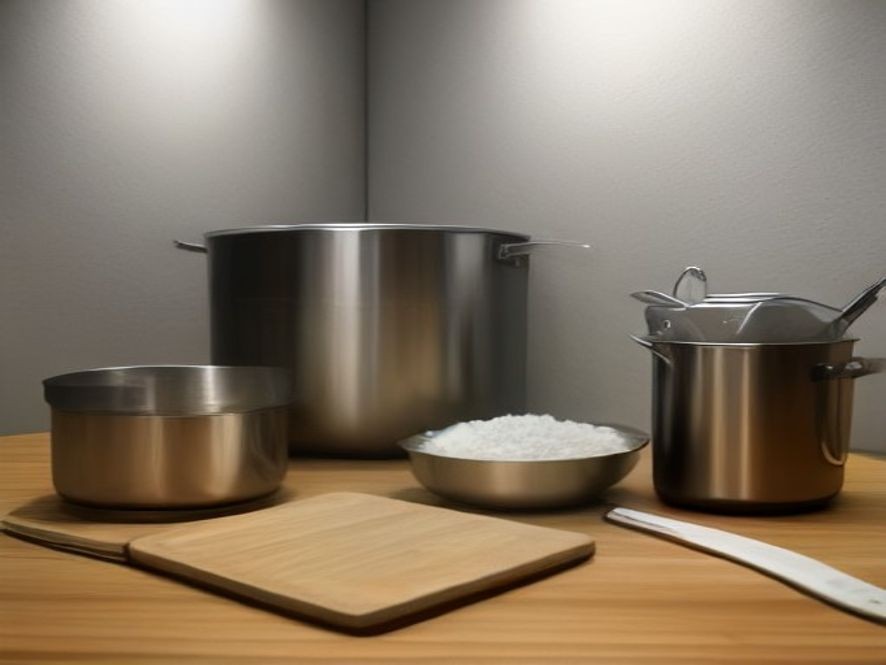
Start Simple, Cook Confidently: The Best Guide to Kitchen Tools Every First-Time Cook Should Own
That moment you stand in the kitchen aisle, overwhelmed by rows of gadgets you’ve never heard of, can make you wonder if you’ll ever be able to cook a real meal.
You want to start cooking, but you have no idea what you actually need. The good news is, you do not need a kitchen full of fancy equipment. Professional chefs and cooking experts agree: a few reliable tools are all you need to build confidence and cook delicious meals at home. This guide will help you solve the problem of where to start by showing you the best way to choose essential kitchen tools for a first-time cook—saving you money, cabinet space, and the frustration of buying things you will never use.
TL;DR
- Start with the basics, not a full set: You don’t need a 12-piece cookware set or a knife block with a dozen blades. A few versatile pieces will cover 90% of your cooking needs .
- Invest in a quality chef’s knife: This is the single most important tool in your kitchen. A sharp, comfortable chef’s knife is safer and more efficient than a drawer full of dull, cheap knives .
- A few pans go a long way: A nonstick skillet for eggs and delicate foods, a cast iron or stainless steel skillet for searing, and a medium saucepan for sauces and grains are all you need to start .
- Don’t forget the little helpers: An instant-read thermometer takes the guesswork out of cooking proteins, and a kitchen scale makes baking foolproof .
Key Takeaways
- Quality over quantity: Buying fewer, better tools is smarter than collecting cheap gadgets that will break or frustrate you. Cheap pans can warp and flake, and dull knives are dangerous .
- Master the knife: A sharp chef’s knife is the workhorse of your kitchen. It can handle 80 to 90 percent of all cutting tasks. A dull knife is more dangerous because it slips instead of cutting cleanly .
- Think about how you actually cook: Don’t buy a gadget just because it looks cool. Start with the basics and add more specialized tools as you discover what you enjoy cooking .
- Keep it simple: The best first kitchens are built slowly and strategically with tools that earn their keep in small spaces .
The Absolute Essentials: Where to Start
Building a first kitchen is less complicated than it seems. Emily Ziemski, a food writer and recipe developer, recommends starting with a small lineup of dependable essentials instead of buying a massive cookware set right away . Here is what you actually need.
1. A Good Chef’s Knife
Every chef and cooking expert agrees: a sharp chef’s knife is non-negotiable. It is the tool you will reach for every single time you cook .
Why it matters: A sharp knife is safer than a dull one. It slices ingredients cleanly, while a dull knife slips and crushes, increasing the risk of accidents . It also makes prep faster and more enjoyable.
What to look for: An 8-inch chef’s knife is the most versatile size. It can chop, slice, mince, and dice almost anything. You do not need to spend hundreds of dollars. The Mercer Culinary 8-inch Millennia chef’s knife is a great beginner option at around $20 . Look for a knife that feels balanced and comfortable in your hand .
Pro tip: Do not buy a full knife block. You will only use one or two knives from it. A chef’s knife and a small paring knife for delicate tasks are all you need .
2. A Sturdy Cutting Board
You cannot use your knife without a good surface. A cutting board that slides around is frustrating and dangerous .
Why it matters: A stable board gives you control over your cuts. A slippery board leads to accidents.
What to look for: A plastic cutting board is a great starting point because it is affordable and dishwasher-safe . The OXO Good Grips Utility Cutting Board is a solid choice that won’t slide around on your counter . As you get more comfortable, you can invest in a wooden board for a superior feel. Eventually, it is wise to have two boards: one for meat and one for vegetables to prevent cross-contamination .
3. The Right Cookware: Two or Three Pans Are Plenty
You do not need a complete matching set of pots and pans. A few versatile pieces will handle almost any beginner recipe .
- A Nonstick Skillet (10 or 12-inch): This is your go-to pan for eggs, pancakes, fish, and anything delicate. It is easy to clean and food does not stick . Look for a nonstick coating that is PFOA-free .
- A Cast Iron or Stainless Steel Skillet: This pan is a workhorse. It can sear steak, roast vegetables, fry chicken, and even go from stovetop to oven . A Lodge 10.25-inch cast iron skillet is affordable and comes pre-seasoned, making it perfect for beginners .
- A Medium Saucepan (2-3 quarts): This is the right size for cooking rice, making sauces, reheating soup, or boiling eggs .
4. A Baking Sheet
A simple rimmed baking sheet is one of the most overlooked tools, but it is used almost every day .
Why it matters: It is the backbone of easy weeknight dinners. You can roast vegetables, bake chicken, make sheet-pan dinners, or bake cookies .
What to look for: A simple aluminum half-sheet pan from Nordic Ware is a great choice. It is durable, won’t warp, and costs around $20 for a two-pack . Quarter-sheet pans are smaller and easier to store if you are cooking for one or two people .
5. The Unsung Heroes: Everyday Utensils
These small tools make cooking possible and are often overlooked.
- Tongs: These are like an extension of your hand. Use them to flip meat, toss salads, or serve pasta .
- Wooden Spoon or Silicone Spatula: The wooden spoon is strong enough to scrape up stuck-on bits, but soft enough for nonstick pans . A silicone spatula is perfect for scraping every last bit of batter from bowls .
- Whisk: You will need this for beating eggs, making dressings, and combining dry ingredients .
- Colander: You will be making pasta. A colander is a must .
- Measuring Cups and Spoons: Accuracy is important for baking, but also helps you understand how a recipe should turn out. A digital kitchen scale is even better because it is faster and more accurate than measuring cups .
6. The Tools That Build Confidence
These are the items that separate a frustrating cooking experience from a successful one.
- Instant-Read Thermometer: For new cooks, undercooking proteins is a major concern. A thermometer takes the guesswork out of cooking meat and helps you learn what properly cooked food looks like . The ThermoPop 2 from Thermoworks is a reliable and affordable choice .
- Microplane: This small handheld grater is surprisingly versatile. It can zest citrus, grate garlic and ginger, and shred Parmesan cheese in seconds .
Comparison Table: Essentials vs. Nice-to-Haves
| Essential Tool | Why You Need It | Nice-to-Have Upgrade |
|---|---|---|
| Chef’s Knife (8-inch) | Handles 80-90% of all cutting tasks | A high-end Japanese or German knife |
| Plastic Cutting Board | Affordable, dishwasher-safe, won’t slip | A large, high-quality wooden board |
| Nonstick Skillet (10-inch) | Perfect for eggs and delicate fish | A carbon-steel skillet for better searing |
| Cast Iron or Stainless Skillet | Searing, roasting, stovetop-to-oven | A French skillet from Mauviel or De Buyer |
| Baking Sheet (Half-Sheet) | Roasting veggies, sheet-pan dinners | Matching quarter-sheet pans for smaller batches |
| Tongs and Wooden Spoon | Essential for flipping, stirring, and serving | A full utensil set with specialized tools |
| Instant-Read Thermometer | Takes the guesswork out of cooking proteins | A wireless probe thermometer |
| Digital Kitchen Scale | More accurate and faster than measuring cups | A high-end scale from MyWeigh or Escali |
“You don’t need a kitchen full of gadgets, but you need tools that make you more confident. Those are the pieces you’ll actually use every day.” – Antimo DiMeo, Executive Chef
FAQ: Solving Your First Kitchen Questions
What is the most important tool for a first-time cook?
A sharp chef’s knife. It is the most used and most important tool in any kitchen. A sharp knife is safer and more efficient than a dull one .
Do I need a full set of cookware?
No. Emily Ziemski, a food writer, recommends starting with a small lineup of dependable essentials instead of buying a massive cookware set. You will likely only use a few pieces from a large set .
What is the best pan for a beginner?
A 10-inch nonstick skillet is a great starting point. It is easy to clean, food does not stick, and it is versatile enough for eggs, pancakes, and stir-fries . The Misen and Quince nonstick pans are good affordable options .
Why do I need a kitchen scale?
Using a scale is faster and more accurate than measuring cups, especially for baking. It ensures you are using the exact amount specified in the recipe, which increases your success rate .
What should I buy at a thrift store vs. spend money on?
You can save money on basic utensils, plates, and bowls at thrift stores. Spend your money on a good chef’s knife, a solid skillet, and a reliable thermometer. These are the tools that will make the biggest difference in your cooking .
Is a cast iron skillet hard to maintain?
No, but it has a learning curve. A pre-seasoned skillet from Lodge is ready to use out of the box. With proper care, cast iron actually improves with use .
Which beginner kitchen problem do you want solved next? Share your thoughts in the comments.
References
Essential First Kitchen Guide: Expert-Recommended Tools for Beginner Cooks
- Serious Eats: 13 Essential Cooking Tools for Beginners
- Bon Appétit: First Apartment Kitchen Starter Kit
- Yahoo: Professional Chefs’ Smartest Purchases for Beginner Cooks
- Blue Apron: Essential Kitchen Tools Guide
- New York Magazine: How to Build a Starter Kitchen from Scratch
- NC State Extension: Setting Up Your First Kitchen