Kitchen Tools and Gadgets That Help Prevent Food Waste: Smart Solutions for Every Home Cook
That sinking feeling when you open your fridge and find wilted herbs, sad-looking vegetables, and leftovers you forgot about—and you know you’re literally throwing money into the trash.
We’ve all been there. You buy fresh ingredients with good intentions, but life gets busy, and suddenly that bunch of cilantro is a mushy mess. The average household wastes a shocking amount of food, and most of it comes from perfectly good items that simply weren’t stored properly or used in time. The good news? The right kitchen tools can dramatically reduce food waste, save you money, and even make your cooking more enjoyable. This guide explores practical gadgets that help you store, preserve, and use every bit of your food.
TL;DR
This guide covers practical kitchen tools designed to prevent food waste. We explore vacuum sealers that extend food life by up to three times, silicone lids that replace plastic wrap, specialized storage containers for produce, and tools for preserving and composting. You’ll learn which gadgets offer the best value and how simple changes to your kitchen routine can significantly reduce waste and save money.
Key Takeaways
- Vacuum sealers can extend food freshness up to three times longer than conventional storage .
- Silicone stretch lids create airtight seals on bowls and cans, eliminating the need for single-use plastic wrap and foil .
- Produce-specific storage like herb keepers and produce bins can extend shelf life by days or even weeks .
- Freezer storage systems like Souper Cubes let you portion and freeze leftovers, sauces, and soups for easy future meals .
- Food recycling systems can reduce household food waste volume by up to 80% while creating usable compost .
Why Food Waste Happens and How Tools Help
Most food waste at home comes from three things: food spoiling before we use it, cooking too much and not eating leftovers, and forgetting what we already have. The solution isn’t just better planning—it’s having the right tools to keep food fresh and visible.
Vacuum sealing is one of the most effective ways to extend food life. Removing oxygen slows the growth of mold and bacteria, keeping food fresh for significantly longer. Experts note that vacuum-sealed food stays edible up to three times longer than conventionally stored food . It’s particularly effective for berries, cheese, bread, and batch-cooked meals .
Essential Tools for Preventing Food Waste
Vacuum Sealers: The Waste-Fighting Champion
A vacuum sealer might seem like a luxury, but it pays for itself quickly by reducing waste. Consumer Reports editors swear by theirs for batch cooking, portioning bulk purchases, and preserving seasonal treats .
How it helps: Cook large batches of grains like brown rice (which takes an hour to make), portion them into vacuum bags, and freeze. You can store them for months and thaw only what you need . The same technique works for pulled pork, holiday cookies, and even marinated raw proteins. When you buy meat in bulk during sales, portion it into meal-sized packs, add marinade, seal, and freeze—you’ll have ready-to-cook dinners for weeks.
What to look for: While you can find basic models for around $40–$100, consider whether you want bags or a container system. The Zwilling Fresh & Save system uses a small handheld pump and reusable containers and bags, making it compact and sustainable .
Silicone Stretch Lids
If you use foil or plastic wrap regularly, you’re paying money every time you tear off a sheet. Silicone stretch lids create an airtight seal on bowls, pots, and even cut produce like avocados and lemons .
Why it’s smart: These lids are reusable, washable, and fit just about any container. They’re a simple swap that eliminates single-use plastic waste and keeps food fresher. One study of a similar product notes users can reduce their sodium intake by draining and rinsing canned beans, then sealing leftovers for another day .
Produce Storage Solutions
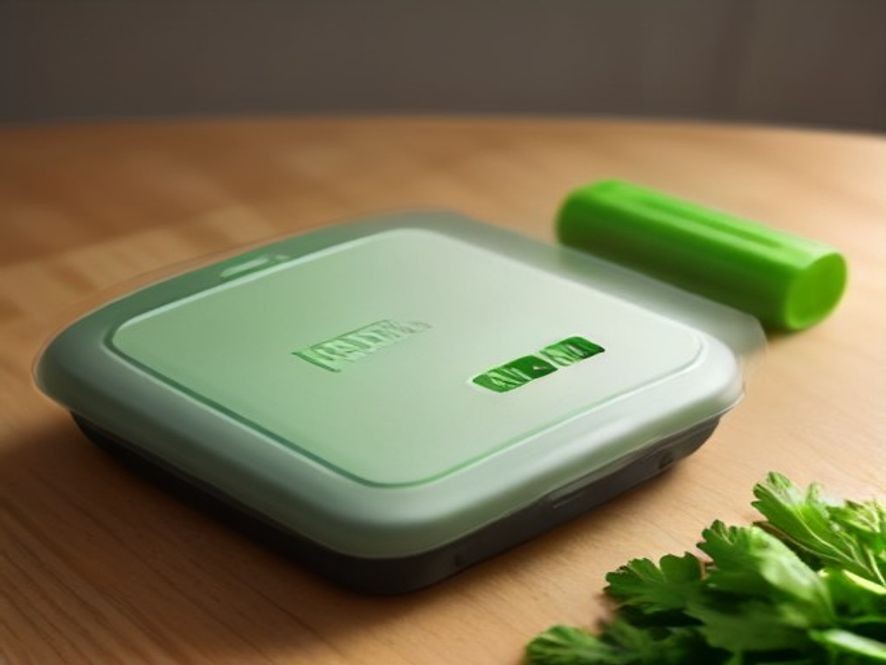
Herb Keepers: An herb keeper can extend the life of fresh herbs like cilantro and parsley by up to 10 days or even two weeks . These containers hold herbs upright in water, keeping them crisp and fresh instead of wilting in a plastic bag.
Produce Bins: Dedicated produce keepers collect moisture at the bottom and promote airflow, which helps delicate produce like berries maintain texture and last longer in the fridge . The key is controlling moisture and air circulation—too much of either leads to early spoilage.
Breathable Mesh Bags: For tender leafy greens and high-moisture vegetables, breathable mesh bags allow airflow so nothing gets soggy. They help greens stay crisp longer and are eco-friendly alternatives to plastic produce bags .
Silicone Freezer Trays
Souper Cubes are silicone trays that work like ice cube trays for food. They freeze portions of soups, sauces, pesto, and even oatmeal in half-cup or one-cup sizes .
What makes them great: You can make a huge batch of steel-cut oatmeal, divide it among the slots, freeze it, and pop out individual portions for quick breakfasts during busy weeks . Dietitians love them for portioning and freezing meals like lasagna and enchiladas, as well as veggie-packed pasta sauce .
Glass Storage Containers with Airtight Lids
Quality glass containers are an everyday staple for batch cooking. Sets like Snapware are durable enough to last a decade while still looking new . Glass is microwave-safe, dishwasher-safe, and doesn’t absorb stains or odors like plastic.
Why it reduces waste: When you can see what’s in your fridge, you’re much more likely to actually eat it. Glass containers make your prepped food visible, which helps you plan meals around what you already have.
Mason Jars and Canning Supplies
Mason jars are surprisingly versatile for waste prevention. They’re perfect for storing dry goods, preserving summer harvests, and even fermenting vegetables . With proper canning methods, food can last for months or even a year.
Fermentation lids like Pickle Pipes let you ferment vegetables at home, which preserves them naturally and adds beneficial probiotics. A basic canning set includes essential tools for beginners who want to preserve seasonal produce .
Bottle Connectors and Scrapers
It might seem small, but getting every bit of product out of bottles and jars adds up. Bottle connectors let you transfer the dregs of an old bottle to a new one, and zero-waste caps use gravity to help you use every drop of ketchup, mayonnaise, or shampoo .
Specialized Prep Tools
Citrus Press and Microplane: A citrus press and microplane make it easy to add fresh citrus flavor to recipes without barriers. Using fresh ingredients means you’re more likely to actually use that lemon or lime before it goes bad .
Cherry Pitter: While it seems like a single-use tool, a cherry pitter makes batch-prepping cherries fast and fun. If you buy cherries in season, you can pit and freeze them for year-round use .
Veggie Chopper: A vegetable chopper makes it easy to chop all your vegetables in advance for the week. When vegetables are prepped and ready to use, you’re far more likely to cook with them instead of letting them spoil .
Food Recycling Systems
For the food waste you can’t prevent, consider a food recycling system. Professional chefs across the country are embracing systems like Mill, which dehydrates and grinds food scraps—from eggshells to bones—into lightweight, odorless food grounds that can be used as compost or chicken feed .
These systems can have real financial impact. One New York pizzeria owner reported that the Mill paid for itself in one month because waste removal in the city is priced by weight . Electric composters like the Airthereal Revive R800 use double-sided blades and activated carbon filters to process food waste while reducing odors .
Comparison Table: Food Waste Prevention Tools
| Tool | How It Prevents Waste | Effectiveness | Best For | Approx. Cost |
|---|---|---|---|---|
| Vacuum Sealer | Extends freshness up to 3x longer | Very High | Batch cooking, bulk meat | $40–$100+ |
| Silicone Stretch Lids | Replaces plastic wrap, airtight seal | High | Leftovers, cut produce | $10–$20 |
| Herb Keeper | Extends herb life 1-2 weeks | High | Fresh herbs | $10–$20 |
| Souper Cubes | Freezes portioned leftovers | High | Soups, sauces, oatmeal | $20–$40 |
| Glass Containers | Visibility, durable storage | High | Meal prep, leftovers | $30–$60 |
| Bottle Scraper/Connector | Uses every drop of product | Medium | Condiments, jars | $5–$15 |
| Food Composter | Reduces waste volume up to 80% | Very High | All food scraps | $200–$500+ |
Chart: Impact of Storage Methods on Food Freshness
This chart compares how long common foods stay fresh using different storage methods.
Freshness Duration by Storage Method (Days)
“Most kitchen waste comes from simple storage mistakes—and simple tools can fix most of them.”
Smart Strategies to Reduce Food Waste Beyond Gadgets
Know Your Date Labels
Date labels like “Best By,” “Use By,” and “Sell By” cause massive confusion and lead to perfectly good food being thrown away. Experts note that these dates are usually about quality, not safety, and standardizing date labeling could significantly reduce waste .
Remember: “Best By” means the food is at its peak quality, not that it’s unsafe to eat after that date.
Use the “First In, First Out” Rule
When you restock your fridge, move older items to the front so you use them before newer ones. It’s a simple habit that prevents food from being forgotten in the back.
Prep Ingredients, Not Full Meals
Instead of cooking full meals ahead, prep individual ingredients. Wash and chop vegetables, cook grains, and portion proteins. When ingredients are ready to use, you’re more likely to cook with them instead of letting them spoil .
Track What You Have
Apps like Sayvr let you scan ingredients at home and track your fridge inventory. Some can even help you find recipes that use up leftover ingredients . Visibility is key to reducing waste.
Frequently Asked Questions
Q: Is a vacuum sealer worth it for a small household?
A: Yes, especially for portioning bulk purchases and freezing leftovers. It prevents freezer burn and keeps food fresh for months .
Q: What’s the best way to keep herbs fresh longer?
A: Use an herb keeper that holds them upright in water. One dietitian reported extending herb life by up to two weeks .
Q: How long do vacuum-sealed foods stay fresh?
A: Vacuum sealing can keep food fresh up to three times longer than conventional storage . It’s especially effective for berries, cheese, and bread.
Q: What’s the most affordable tool to reduce food waste?
A: Silicone stretch lids are inexpensive and replace single-use plastic wrap . Glass storage containers also offer great value over time.
Q: How do I freeze leftovers without freezer burn?
A: Use vacuum sealers or airtight containers. Remove as much air as possible. Souper Cubes are excellent for freezing individual portions of soups and sauces .
Q: What should I do with food scraps I can’t use?
A: Consider composting. Electric composters can reduce food waste volume by up to 80% and create usable fertilizer .
Q: How can I use up leftover ingredients?
A: Use apps that suggest recipes based on what you have at home. Also, batch-cook versatile ingredients that can be combined in different ways.
Final Thoughts
Preventing food waste isn’t about being perfect—it’s about making small changes that add up over time. Every piece of food you save is money in your pocket and less waste in a landfill. Start with one or two tools that address your biggest kitchen frustrations, like a vacuum sealer for batch cooking or silicone lids for leftover storage.
The best tool for preventing waste is the one you’ll actually use. A simple herb keeper can save you from throwing away wilted cilantro, and a good set of glass containers makes leftovers visible and inviting. Your wallet, your taste buds, and the planet will thank you.
Trusted Resources for Reducing Food Waste at Home:
- EatingWell – Kitchen Tools and Storage Tips
- Consumer Reports – Product Testing and Reviews
- Fine Dining Lovers – Sustainability in the Kitchen
What’s the one food item you always seem to waste? Share your biggest kitchen frustration in the comments—we’d love to help you find a solution.