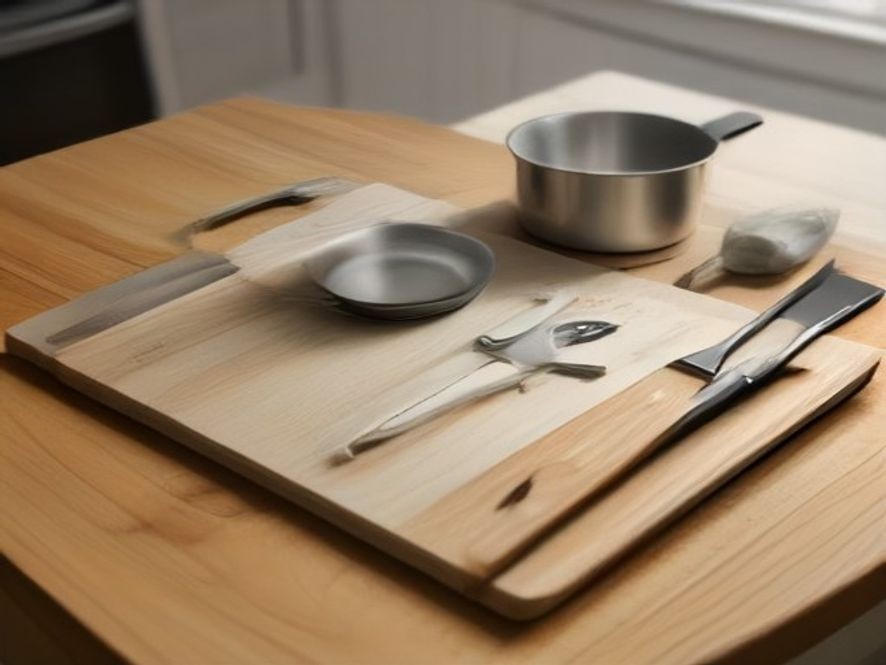
How to Build a Kitchen Tool Collection Without Overspending: Smart Starter Guide
Building a kitchen tool collection doesn’t have to drain your bank account—the secret is starting small, buying smart, and letting your needs guide your purchases.
TL;DR
Start with just a few versatile essentials—a chef’s knife, cutting board, cast iron skillet, and a couple of simple utensils. Buy slowly and only replace items when they truly wear out. Skip single-use gadgets and trendy appliances. The best collection grows over years, not days.
Key Takeaways
- Start with the basics—a chef’s knife, cutting board, cast iron pan, and a few utensils cover most cooking needs
- Buy only when you need it—let genuine gaps drive purchases, not marketing
- The greenest tool is the one you already own—shop your cabinets first
- Skip single-purpose gadgets—a knife or spoon does most jobs better
- Thrift stores and estate sales are goldmines for quality old cookware at bargain prices
Why Most People Overspend on Kitchen Tools
It’s easy to walk into a kitchen store and feel like you need everything. Those shiny matching sets, the fancy electric gadgets, the rows of specialty tools—they all promise to make cooking easier.
But here’s the reality: you don’t need a kitchen full of gadgets to cook well. Professional chefs and cooking experts agree on this. As one experienced chef puts it, “I always tell beginner cooks to buy fewer, but better tools. You don’t need a kitchen full of gadgets, but you need tools that make you more confident”.
The smart approach to building a kitchen tool collection is to let it happen slowly—over years, not days.
Smart Strategy #1: Start With What You Already Have
Before you spend a single dollar, go through your cabinets and take a real inventory. “The greenest tool is almost always the one already in your kitchen,” sustainability experts point out.
A knife you already own, sharpened and cared for, is better than any new knife. A pot hiding in the back of a cabinet beats buying a new one. Shop your own kitchen first.
Many people forget about quality tools they already own. I once found three perfectly good pans I’d shoved behind a stack of plastic containers and forgotten about for two years.
What to Look For in Your Own Kitchen
- Knives that just need sharpening (a cheap sharpener is cheaper than a new knife)
- Pans that are still functional but hidden in back of cabinets
- Utensils you actually use vs. ones taking up drawer space
Smart Strategy #2: The Starter Essentials (Under $100 Total)
If you’re starting from scratch or just serious about keeping costs down, here are the tools you truly need. Focus on quality where it matters most: your knife, pan, and scale.
The Bare Minimum
| Tool | What It Costs | Why You Need It |
|---|---|---|
| Chef’s Knife | ~$20-30 | The workhorse of the kitchen—does 90% of cutting tasks |
| Cutting Board | ~$10-15 | Protects your knife and gives you a prep surface |
| Cast Iron Skillet | ~$30 | Searing, frying, roasting, baking—it does everything |
| Spatula/Tongs | ~$5-10 | Flipping, stirring, serving |
| Kitchen Scale | ~$12-15 | The fastest way to improve your cooking accuracy |
Total: Under $100.
The Knife: Your Most Important Investment
Every chef agrees: a sharp chef’s knife is non-negotiable. “A sharp knife is safer to use, and it impacts the flavor and quality of anything it touches,” says executive chef Ryan LaFrance. “A sharp knife slices ingredients, whereas a dull knife crushes or tears through them”.
The Mercer Culinary 8-inch chef’s knife is a favorite among beginner cooks and Serious Eats editors alike—and it costs just $20. It’s “better than blades ten times the price”.
The Pan: Cast Iron Lasts Forever
For about $30, a Lodge cast iron skillet does what expensive pans do. It’s pre-seasoned, naturally nonstick with use, and “can handle high oven temperatures” without needing replacement for decades. Cast iron actually improves with use—it gets more nonstick over time.
The Scale: An Unexpected Game-Changer
Many people skip a kitchen scale, but it’s a major upgrade for accuracy. “Weighing your ingredients is far more accurate than, say, scooping flour into a measuring cup. With the latter method, you’ll wind up with varying amounts depending on how loosely or tightly the flour is packed”. The Escali Primo is about $12 and has been recommended for years.
Smart Strategy #3: Wait for Wear, Not for Sales
Here’s the rule that saves the most money: don’t buy a new tool until an old one breaks or you discover a genuine gap.
“A cheap tool bought twice costs more than a good tool bought once”. Let purchases be triggered by real events:
- A handle cracks beyond repair
- A pan’s coating finally flakes
- You keep borrowing a tool you clearly need
- A tool no longer works as intended
When one of those moments arrives, buy one good replacement instead of a cheap one that will need replacing again soon.
Smart Strategy #4: Buy Used, Not New
Thrift stores, estate sales, and online marketplaces are full of quality cookware at a fraction of retail price. “Thrift stores and estate sales are full of heavy old cookware built better than most new stuff, often for a few dollars”.
What to Look for Used
- Cast iron—old cast iron is often smoother and better seasoned than new
- Stainless steel pots—older ones were often made with heavier gauge metal
- Glass mixing bowls—Pyrex from thrift stores is a steal
- Wooden utensils—old wood is often seasoned and durable
At chain retailers like TJ Maxx and Home Depot, you can also find affordable essentials—pots, pans, cutting boards, and utensil sets at steep discounts.
Smart Strategy #5: Skip the Gadget Trap
The easiest way to overspend is buying single-purpose gadgets. “Most single-purpose gadgets do one job a knife or spoon already does. They clutter drawers, they’re often molded plastic, and they rarely survive long”.
Gadgets to Avoid
- Avocado slicer—a knife and spoon work fine
- Garlic press—a knife preserves better flavor
- Electric vegetable chopper—hard to clean, takes counter space
- Strawberry huller—a paring knife works
- Egg separator—just use the shell halves
When you’re tempted, ask yourself: “Does a tool I already own do this?” Usually, the answer is yes.
Smart Strategy #6: Essential Extras Under $15
Once you have the basics, here are affordable upgrades that improve your cooking:
| Tool | Cost | Use |
|---|---|---|
| Digital Kitchen Scale | ~$12-15 | Accurate measuring |
| Kitchen Shears | ~$10 | Opening packages, snipping herbs |
| Bench Scraper | ~$15 | Transferring ingredients, cleaning cutting boards |
| Y-Peeler | ~$6-8 | Peeling vegetables, shaving cheese |
| Meat Thermometer | ~$12-25 | Perfectly cooked meat, safe temperatures |
| Microplane | ~$10-15 | Zesting citrus, grating hard cheese |
“A large enameled skillet can be bought for the price of a leg of lamb. A fine paring knife may cost less than two small lamb chops. These tools are investments in a lifelong skill, so don’t balk and then spend $40 on drinks this weekend.” — Julia Child
When to Spend Extra
Some items are worth spending a bit more on from the start:
- Chef’s knife—spend $20-40 for quality that will last
- Cast iron skillet—$30 gets you a pan for life
- Kitchen scale—don’t cheap out on accuracy
Everything else? Buy affordable versions and upgrade only when you wear them out.
FAQ Section
What kitchen tools should a beginner buy first?
A chef’s knife, cutting board, cast iron skillet, a few basic utensils, and a kitchen scale—these five cover almost everything.
How do I avoid overspending on kitchen gadgets?
Wait until a tool actually breaks or you discover a genuine need. Skip single-purpose gadgets—a knife or spoon does most jobs.
Is cast iron worth the cost?
Yes. A $30 Lodge cast iron skillet is pre-seasoned, lasts forever, and performs like pans costing much more.
Where can I buy affordable kitchen tools?
Thrift stores, estate sales, and online marketplaces often have quality used items. Retailers like TJ Maxx and Home Depot also sell budget-friendly essentials.
Do I really need a kitchen scale?
Yes. It’s the fastest way to improve your cooking accuracy, especially baking. A good one costs under $15.
Can I use kitchen towels instead of oven mitts?
Yes. Professional chefs often use dry, folded towels—they provide better grip and dexterity.
References
Smart Strategies for Building an Affordable Kitchen Tool Collection
- Earth Friendly Blog – Sustainable Kitchen Tool Building
- Food & Wine – Chef-Loved Kitchen Tools Under $10
- Serious Eats – 13 Essential Cooking Tools for Beginners
- Yahoo – Chefs Share Smart Purchases for Beginners
Which kitchen tool have you bought that you wish you hadn’t? Share your regrets and recommendations in the comments.