Kitchen Safety and Maintenance Checklist for a Small Kitchen
Your small kitchen might be cozy, but tight spaces create unique safety risks—cluttered counters, cramped cooking areas, and limited storage can turn minor hazards into major problems faster than you think.
Working in a small kitchen means every inch counts. But with limited space comes specific safety challenges—from fire risks caused by appliances crammed too close together to tripping hazards from poor organization. The good news? A few simple checks and maintenance habits can keep your compact kitchen both safe and efficient.
TL;DR
- Keep at least 12 inches of clearance around cooking appliances to prevent overheating and fires.
- Unplug small appliances when not in use to prevent power surges and reduce fire risk.
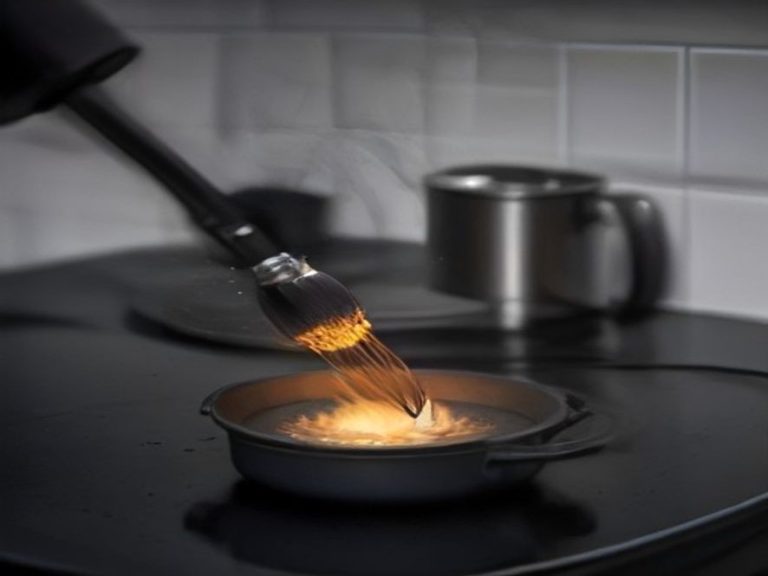
- Clean exhaust fans and hood filters monthly—grease buildup is a major fire hazard in small kitchens.
- Use vertical storage to keep counters clear and reduce fire risks near the stove.
- Check appliance cords regularly for fraying or damage—small kitchens see more wear on cords.
- Install a fire extinguisher rated for grease and electrical fires, and make sure everyone knows where it is.
Key Takeaways
- Small kitchens have higher fire risks because cooking activities are concentrated in tight spaces.
- Cluttered counters near the stove are a fire hazard—keep flammable items like towels and paper away.
- Regular cleaning of vents and exhaust fans prevents grease buildup that fuels fires.
- Organization and proper storage reduce tripping hazards and make the kitchen safer to work in.
- A well-maintained small kitchen is both safer and more enjoyable to cook in.
Fire Safety for Small Kitchens
Small kitchens concentrate fire risks because cooking, heating, and electrical appliances operate in a confined area. Here is what to check:
1. Counter Clearance Around the Stove
Clutter is the enemy of fire safety. Your stovetop must have at least 12 inches of clearance to prevent accidental fires . Keep flammable items like paper towels, cloth napkins, and wooden utensils away from the stove.
What to do: Scan your counters daily. Are they clear of clutter and away from the cooking zone? Keep a small container for mail or papers elsewhere to avoid piling items near cooking areas .
2. Test and Maintain Safety Equipment
- Smoke alarms: Test monthly. Replace batteries if weak. Consider installing heat alarms specifically designed for kitchens—they do not trigger from cooking fumes but detect actual fires .
- Carbon monoxide detector: Place one near gas appliances and test monthly .
- Fire extinguisher: Mount it on a wall bracket near an exit, not hidden under the sink . The pressure gauge must show the needle in the green zone. Clean or replace the extinguisher if it is not in the green zone .
3. Check the Fire Extinguisher
In a small kitchen, you need to reach the fire extinguisher quickly . It should be mounted on a wall near the exit, not buried under the sink. Check the pressure gauge monthly to ensure it is in the green zone. If it is not, replace the extinguisher immediately .
4. Clean Exhaust Fans and Hood Filters
Grease buildup is a major fire hazard, especially in a small kitchen where cooking fumes concentrate . Clean or replace the hood filters monthly and ensure the exhaust fan is working properly.
5. Inspect Power Cords
Small kitchens have less space for appliances, meaning cords often get moved, bent, or pinched more often. Run your hand along each cord to check for fraying, cracks, or soft spots. Never run cords under rugs or across walkways where they can be tripped over .
6. Unplug Small Appliances When Not in Use
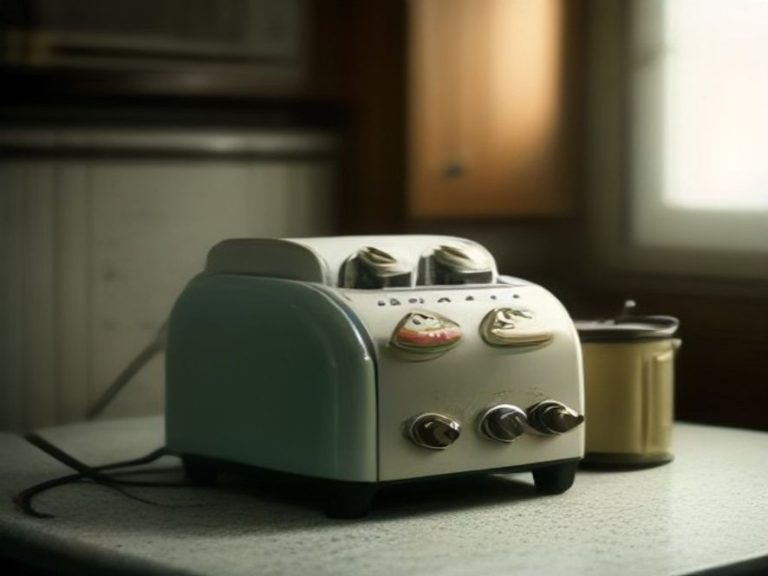
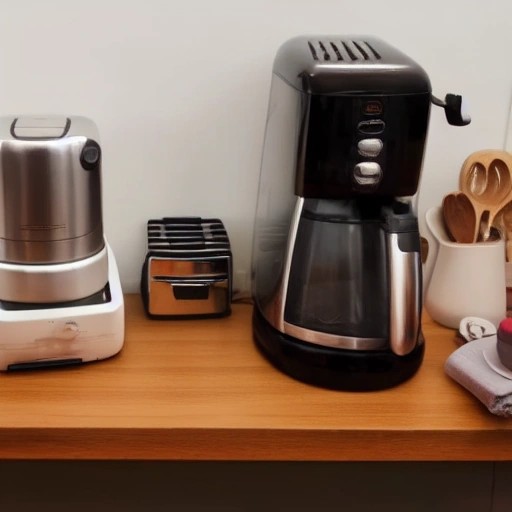
Unplugging small appliances like toasters and coffee makers protects them from power surges and reduces fire risk from faulty heating elements . In a small kitchen, this also keeps counter space clear and reduces clutter.
Electrical Safety in Small Kitchens
7. Test GFCI Outlets
Press the test button on outlets near sinks and reset them to ensure they are working properly . This protects against electrical shock in wet areas.
8. Avoid Overloaded Circuits
Small kitchens often have limited outlets, making overloaded circuits a common risk . Avoid using too many appliances on the same circuit, which can trip breakers or cause overheating.
9. Use Proper Cord Management
Keep appliance cords away from heat sources and water. Avoid plugging multiple high-wattage appliances into the same outlet or power strip.
Plumbing and Water Safety
10. Inspect Appliance Hoses
Check the hoses on dishwashers and refrigerator ice makers for bulges, cracks, or leaks. Aging hoses are one of the top causes of water damage in homes, and in a small kitchen, a leak can quickly ruin cabinetry and flooring.
11. Look Under Sinks
Check for drips, corrosion, or soft flooring that indicates a slow leak. Address small leaks before they become major problems .
12. Clear Slow Drains
Use boiling water, baking soda, and vinegar to clear slow drains naturally. Avoid harsh chemicals that can damage pipes and harm your health .
13. Check Refrigerator Drip Pan
If you can access it, check the refrigerator drip pan for standing water, which can indicate a defrost drain issue or leak.
Food Safety Checks for Small Kitchens
14. Check Refrigerator Temperature
Use an appliance thermometer to verify that your refrigerator stays below 40°F and the freezer stays at 0°F or below . Small kitchens sometimes mean older, less efficient refrigerators, so monitoring temperature is important.
15. Inspect Refrigerator Door Seals
Clean the gasket gently with a solution of mild dish soap in warm water and a soft microfiber cloth . Dirty or cracked seals let cold air escape and raise energy bills.
16. Keep Raw Meat Separate
Raw meat, poultry, and seafood must be stored in sealed, non-leaking containers on the lowest shelf—below produce and ready-to-eat food—to prevent cross-contamination.
17. Check Pantry Items
Check expiration dates regularly. A small pantry can become cluttered, making it easy to overlook outdated items. Toss expired food immediately and organize pantry items so older items are used first.
Organization and Layout Safety
18. Use Vertical Storage
In a small kitchen, vertical storage is your best strategy . Use wall-mounted shelves, magnetic strips for knives, and hanging racks for pots and pans to keep counters clear.
19. Keep Work Areas Clear
Cluttered counters reduce cooking efficiency and create fire hazards near the stove . In a small kitchen, clearing countertops is essential for safety and functionality.
20. Create Dedicated Zones
Set up distinct areas for cooking, prepping, and cleaning to improve workflow and safety . This reduces the risk of accidents by keeping activities separated.
21. Check Lighting
Good lighting over cooking and prep areas reduces the risk of cuts, burns, and falls. Replace burned-out bulbs promptly.
22. Secure Area Rugs
Ensure area rugs have non-slip backing to prevent tripping, especially in high-traffic areas where you may be carrying hot dishes.
Appliance Maintenance for Small Kitchens
23. Clean Range Hood Filter
Clean or replace the filter monthly . A clogged filter reduces ventilation and increases fire risk.
24. Check Oven and Burner Drip Trays
Clean drip pans and trays regularly to prevent smoking, flare-ups, and potential fires.
25. Clean Microwave Interior
Wipe down the microwave interior weekly to remove food debris and prevent odors. Never use metal items inside the microwave.
26. Check Refrigerator Coils
Dusty coils force the refrigerator to work harder and shorten its life. Clean them at least twice a year—when you change your clocks for daylight saving time .
27. Clean Dishwasher Filter
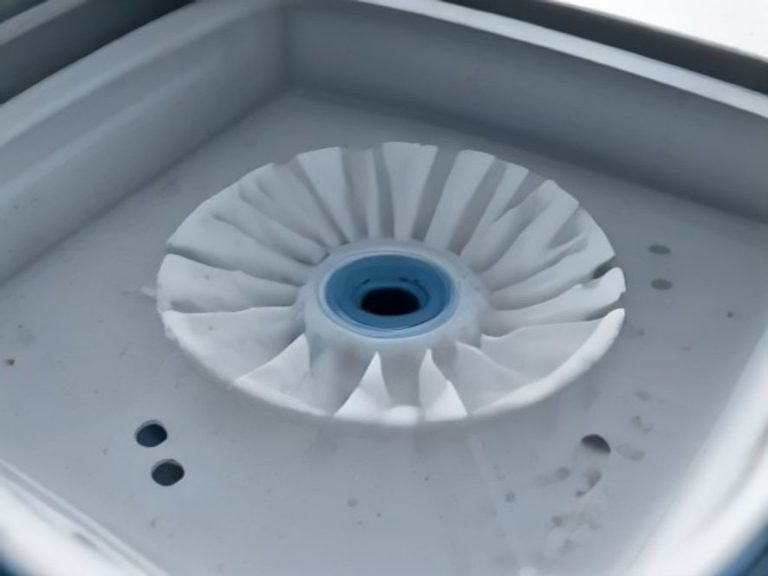
Clean the dishwasher filter every couple of months to prevent food residue from clogging the pump and leaving dishes dirty .
Comparison Table: Small Kitchen Safety Checks
| Area | What to Check | How Often |
|---|---|---|
| Fire Safety | Smoke/heat alarms, fire extinguisher, hood filters, clear stovetop | Monthly |
| Electrical Safety | GFCI outlets, inspect cords, unplug small appliances, avoid overload | Monthly |
| Plumbing | Inspect hoses, look under sinks, clear slow drains | Monthly |
| Food Safety | Fridge temp, door seals, expiration dates, raw meat storage | Monthly |
| Organization | Clear counters, vertical storage, proper lighting, secure rugs | Daily/Weekly |
| Appliance Maintenance | Clean coils, filters, drip trays, microwave | Monthly |
Space-Saving Maintenance Tips
28. Use Magnetic Strips for Knives
Magnetic strips free up drawer space and keep knives within easy reach . They also reduce the risk of cuts from fumbling through crowded drawers.
29. Install Hanging Racks
Hanging racks for pots, pans, and utensils free up cabinet space and keep items accessible . This also reduces clutter on countertops.
30. Regularly Declutter
Regularly audit your kitchen items and remove anything you do not use. A less cluttered kitchen is a safer kitchen.
Monthly Checklist
Week 1: Fire Safety
- [ ] Test smoke/heat alarms and carbon monoxide detector
- [ ] Check fire extinguisher pressure gauge
- [ ] Clean range hood filter
- [ ] Clear area around stovetop of flammable items
Week 2: Electrical Safety
- [ ] Inspect appliance cords for damage
- [ ] Test GFCI outlets
- [ ] Unplug small appliances when not in use
- [ ] Check that outlets are not overloaded
Week 3: Plumbing and Food Safety
- [ ] Inspect appliance hoses for cracks or bulges
- [ ] Check under sinks for leaks
- [ ] Check refrigerator and freezer temperatures
- [ ] Check expiration dates in pantry
Week 4: Organization and Appliance Maintenance
- [ ] Clear countertops of unnecessary items
- [ ] Clean refrigerator coils
- [ ] Clean dishwasher filter
- [ ] Wipe down microwave interior
FAQ
What is the most important safety check for a small kitchen?
Fire prevention is critical in a small kitchen because cooking activities are concentrated in tight spaces. Ensure smoke/heat alarms work, the fire extinguisher is charged and accessible, and the stovetop is clear of clutter.
How much clearance should I keep around my stove?
Keep at least 12 inches of clearance around your cooking appliances to prevent fires and allow for safe operation .
How often should I clean my range hood filter?
Clean or replace range hood filters monthly to prevent grease buildup, which is a major fire hazard in small kitchens .
Why should I unplug small appliances in a small kitchen?
Unplugging appliances like toasters and coffee makers protects them from power surges and reduces fire risk from faulty heating elements . It also keeps counter space clear.
What is the best way to organize a small kitchen for safety?
Use vertical storage with wall-mounted shelves, magnetic strips for knives, and hanging racks for pots and pans. Keep counters clear and create dedicated zones for cooking, prepping, and cleaning .
How can I prevent tripping hazards in a small kitchen?
Keep walkways clear of cords and clutter. Secure area rugs with non-slip backing. Avoid running appliance cords across walkways .
References
Trusted sources for kitchen safety and maintenance:
- Scottish Fire and Rescue Service – Kitchen Safety
- Queensland Fire Department – Appliance Fire Safety
- National Safety Council – Home Safety Checklist
- Rutgers University – Home Kitchen Food Safety Best Practices
- SafeWise – Home Maintenance and Safety Checklist
- Consumer Reports – Common Kitchen Appliance Mishaps
- Design Build Review – Tips to Make Your Small Kitchen More Functional
- Merry Maids – Small Kitchen Cleaning Tips
Which kitchen problem do you want solved next? Share your thoughts in the comments.