Why Do My Kitchen Pipes Vibrate When I Turn on the Faucet? A Complete Guide to Causes and Fixes
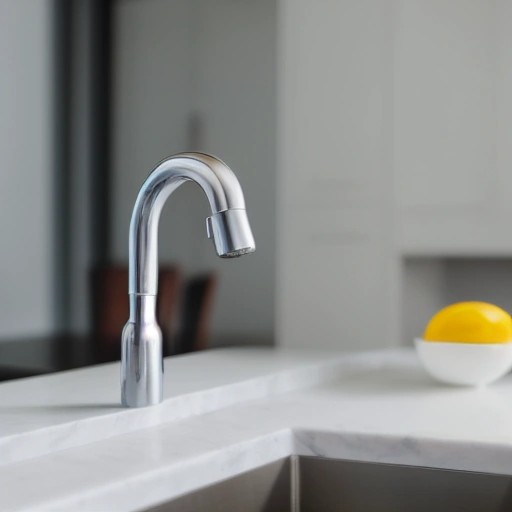
You turn on the kitchen faucet, and instead of the usual rush of water, you hear a loud vibrating or humming noise that seems to shake the pipes throughout your house. It’s unsettling and leaves you worried that something might be seriously wrong.
Vibrating pipes are a common plumbing issue, and the good news is that it’s usually fixable without major renovations. This guide explains the most likely causes of that vibration and the best way to stop it for good.
TL;DR
Vibrating pipes are typically caused by a loose washer in the faucet, a faulty valve, unsecured pipes that rattle against walls, or high water pressure . A loose or faulty washer can vibrate like a reed in a wind instrument, creating a humming or foghorn-like sound . The problem might also be water hammer, a shockwave from fast-closing valves. Fixes range from tightening screws and replacing washers to securing loose pipes with clamps and installing a pressure-reducing valve .
The Real Causes Behind That Vibrating Noise and How to Fix It
A vibrating pipe isn’t just annoying—it’s a sign that something in your plumbing system is loose, worn, or under too much pressure. Here are the most common culprits and how to address them.
Loose or Worn Washer in the Faucet
A vibrating or humming sound that only happens when you turn on a specific faucet is often a sign of a loose washer . As water flows past a loose washer, it can vibrate rapidly, creating a noise that travels through the pipes . This is one of the easiest problems to fix, as it often involves a simple part replacement.
How to fix it:
- Turn off the water supply to the faucet using the shut-off valves under the sink.
- Disassemble the faucet handle to access the valve stem.
- Inspect the washer at the end of the stem. If it’s loose, tighten the tiny screw holding it in place. If it’s worn, cracked, or hardened, replace it with an identical washer from a hardware store .
Unsecured Pipes Rattling Against Walls
Pipes that aren’t properly secured can vibrate and bang against walls, floor joists, or cabinets when water flows through them . This is especially common in older homes or if pipes are made of metal, which transmits sound waves effectively .
How to fix it:
- Inspect exposed pipes under the sink and in accessible areas.
- Secure loose pipes with plastic pipe straps or clamps .
- Add foam insulation sleeves around pipes to dampen vibrations and prevent metal-on-metal contact .
High Water Pressure
Excessively high water pressure—above 60 to 70 PSI—puts extra stress on your plumbing. The force of fast-flowing water can cause vibrations, whistling, or humming . High pressure also increases wear on your pipes and appliances over time.
How to fix it:
- Test your water pressure using a pressure gauge attached to an outdoor spigot.
- If pressure is above 80 PSI, you may need to install or adjust a Pressure Reducing Valve (PRV) on your main water line . This is typically a job for a professional plumber.
Water Hammer and Faulty Valves
Water hammer is a shockwave created when moving water stops suddenly—often when a valve closes quickly, such as in a washing machine or dishwasher . This creates a banging or vibrating noise that travels through pipes . In a kitchen, faulty angle valves supplying both the faucet and dishwasher can be a common source .
How to fix it:
- Install water hammer arrestors on the offending lines. These devices absorb the pressure shockwave .
- Recharge waterlogged air chambers by shutting off the main water supply, opening all faucets to drain the system, and slowly turning the water back on .
Simple Tips to Prevent Future Vibrations
- Close faucets gently: Avoid slamming the faucet handle shut, as this can create water hammer shockwaves .
- Regular maintenance: Replace washers every 2-3 years and clean aerators every six months to prevent mineral buildup .
- Keep an ear out: If you hear a persistent humming or vibrating noise, investigate early before it leads to bigger problems like leaks or loose joints .
When to Call a Professional Plumber
Call a plumber if:
- The noise persists after you’ve tried tightening washers and securing pipes.
- The vibrating happens throughout the house, which could indicate a systemic pressure or valve issue.
- You don’t have shut-off valves or you’re uncomfortable working on pressurized plumbing.
- You suspect a pressure-reducing valve needs to be installed or adjusted .
“A vibrating pipe is a plumbing system’s way of telling you something is loose or under too much pressure. Often, a simple washer replacement or pipe strap is all it takes to restore peace and quiet.”
Frequently Asked Questions (FAQs)
1. Why does my pipe vibrate only when I run hot water?
If the vibration happens only with hot water, it likely points to a problem with the hot water supply line or a specific valve—like a loose washer in the hot water angle valve under the sink .
2. Can a garbage disposal cause pipe vibration?
Yes. A running garbage disposal can create vibrations that travel through the drain pipes. If these pipes aren’t properly secured, they can rattle against cabinets or walls .
3. What’s the easiest thing to try first for a vibrating pipe?
Start by checking the faucet washer. A loose washer is a common cause of humming or vibrating, and tightening or replacing it is a simple DIY fix .
4. What does a ‘foghorn’ noise mean?
A loud, low-pitched foghorn sound is often caused by a loose washer in the faucet or a faulty toilet fill valve. When the washer vibrates against the water flow, it creates that distinctive sound .
5. Can air in the pipes cause vibration?
Trapped air can cause gurgling or sputtering, but it’s less likely to be the primary cause of a strong vibration. If air is causing the issue, opening all faucets to bleed the system should resolve it .
6. Is a vibrating pipe dangerous?
While not immediately dangerous, persistent vibration can weaken pipe joints, leading to leaks or more serious damage over time .
References
Trusted Sources for Kitchen Sink Plumbing Troubleshooting:
- Las Vegas Review-Journal – Isolate Sound to Discover Vibrating Pipe Problem
- Scottish Water – Noise in Pipes Guide
- Roto-Rooter – Why Do My Pipes Bang When Faucets Are Turned Off
- Spitogatos – Faucet and Pipe Noise Guide
Which kitchen problem do you want solved next? Share your thoughts in the comments.