Most Common Kitchen Problems Homeowners Ignore in This Kitchen Problems Guide (And How to Fix Them Fast)
You just scrubbed the counters, ran the dishwasher, and swept the floor—so why does your kitchen still feel greasy, crowded, and somehow unclean?
If you are a homeowner, you probably handle the big stuff: leaky faucets, broken disposals, or a refrigerator that stops cooling. But the daily frustrations—the lingering smell, the messy counter that reappears minutes after cleaning, the cabinet that never closes right—often get ignored. These small problems pile up until your cooking space feels like a constant battle. This guide walks you through the most common kitchen problems homeowners ignore and gives simple, practical solutions for each one.
TL;DR
Homeowners often overlook small but critical kitchen issues: sticky cabinet fronts, slow drains that are not fully clogged, garbage disposal odors, refrigerator door seals that leak cold air, and poor drawer organization. These ignored problems lead to bigger repairs, wasted energy, and a kitchen that always feels messy. This guide shows you how to spot and fix each one in under 30 minutes.
Key Takeaways
- A slow-draining sink is not “fine”—it is a warning sign of deeper buildup.
- Greasy cabinet fronts trap dust and make your whole kitchen look dirty.
- A failing refrigerator door seal wastes electricity and shortens food life.
- Garbage disposal odors usually come from biofilm, not leftover food.
- Drawers without dividers become black holes of lost tools and frustration.
Most Common Kitchen Problems Homeowners Ignore (And Why They Matter)
When you own your home, it is easy to focus on big renovation dreams or major appliance repairs. But the little nuisances—the ones you sigh at every day—are often the real reason your kitchen feels messy or hard to use. Let us fix those.
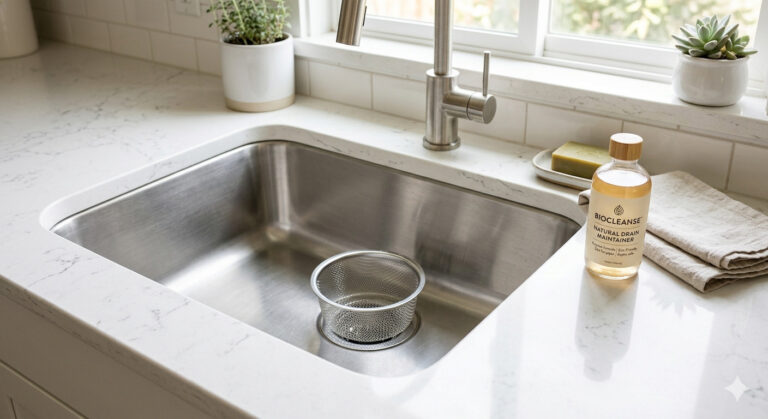
The Slow Drain You Keep Ignoring
Does your kitchen sink take a few extra seconds to empty? Do you see water pool around the drain before it finally goes down? Many homeowners think, “It is not fully clogged, so it is fine.” But a slow drain is like a low-grade fever. It tells you something is wrong inside the pipes.
The hidden cause: Grease, soap scum, and tiny food particles have built up on the pipe walls. Over time, this layer gets thicker and thicker until water moves through a much smaller space.
How to fix it (step-by-step):
- Remove everything from under the sink so you have room to work.
- Place a bucket under the P-trap (the curved pipe).
- Unscrew the cleanout plug or remove the P-trap carefully.
- Scrape out the gray, slimy buildup with an old spatula or wire coat hanger.
- Flush with hot water and reassemble.
- Do this once a year to prevent full clogs.
“A slow drain is not a personality trait of your old house. It is a fixable problem.”
Greasy Cabinet Fronts: The Invisible Film
Run your hand across the top edge of your kitchen cabinet doors near the stove. Feel that slightly sticky, gritty texture? That is a mixture of cooking oil, dust, and steam residue. You cannot see it well in normal light, but it catches every crumb and speck of dirt. This makes your entire kitchen look dingy no matter how much you clean the counters.
Why homeowners ignore it: It builds up so slowly that you do not notice it day to day. You only see the effect—a kitchen that looks “tired.”
Best way to clean it:
- Mix one quart warm water, one tablespoon dish soap, and one tablespoon white vinegar.
- Use two microfiber cloths: one wet (damp, not soaking) and one dry.
- Wipe each cabinet front from top to bottom. Dry immediately.
- Do not spray cleaner directly onto wood or finished cabinets. Spray the cloth instead.
Pro tip: Do this every two months. Your whole kitchen will look years younger.
The Garbage Disposal That Smells Like a Swamp
You run the disposal. You hear it grind. But that rotten egg smell keeps coming back. Most homeowners assume they just need to grind a lemon peel. But that only masks the problem for a day.
The real cause: Food particles get trapped in small crevices inside the disposal—under the rubber splash guard, around the impellers, and in the drain line beyond the unit. These bits rot and form a sticky layer called biofilm.
How to fix it for good:
- Safety reminder: Always unplug the disposal or turn off the circuit breaker before reaching inside.
- Pull out the rubber splash guard and scrub it with dish soap and an old toothbrush.
- Freeze white vinegar in an ice cube tray. Grind the vinegar ice cubes one at a time.
- After the last cube, run cold water for 30 seconds.
- Do this monthly to prevent odors.
| Problem | Homeowner Mistake | Correct Fix | Time Needed |
|---|---|---|---|
| Garbage disposal smell | Grind lemon peels only | Clean splash guard + vinegar ice cubes | 10 minutes |
| Slow sink drain | Use liquid drain cleaner | Manual P-trap cleaning | 20 minutes |
| Greasy cabinets | Wipe with all-purpose spray | Soap + vinegar + dry cloth method | 15 minutes |
| Refrigerator leak | Push fridge back in place | Check door seal with dollar bill test | 5 minutes |
Refrigerator Door Seals: The Silent Energy Waster
Open your refrigerator door and look at the rubber gasket around the edge. Does it feel hard, cracked, or flattened in spots? Can you see light through any gap when you close the door with a flashlight inside? A bad door seal lets cold air escape constantly. Your fridge works harder, your electric bill goes up, and your food spoils faster.
The dollar bill test:
- Close the door on a dollar bill so half is inside and half is outside.
- Try to pull the bill out. It should resist slightly.
- Do this in four or five spots around the door.
- If the bill slips out easily in any spot, your seal is failing.
How to fix it:
Clean the seal first with warm soapy water. Sometimes dirt prevents a good seal. If cleaning does not work, order a replacement gasket for your fridge model. Most cost $40–80 and install in 15 minutes with just a screwdriver.
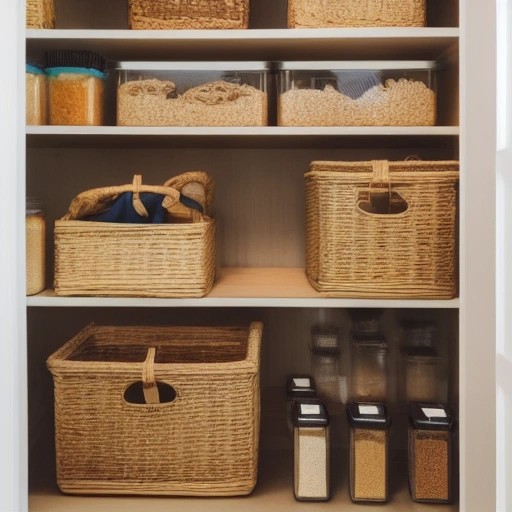
Drawer Chaos: The Black Hole Effect
Open your utensil drawer. Can you find your measuring spoons in three seconds? What about the can opener? If you have to dig, your kitchen feels messier than it really is. Homeowners ignore drawer organization because it seems like a “small thing.” But opening a chaotic drawer first thing in the morning sets a stressful tone for the whole day.
Simple, cheap solutions:
- Buy bamboo or plastic drawer dividers (under $15 for a set).
- Sort utensils by use: cooking spoons together, measuring tools together, gadgets together.
- Stand spatulas and spoons upright in a deep container inside a deep drawer.
- Do not stack tools on top of each other. Give each type its own section.
Best way to test your new system: After organizing, close your eyes and try to grab a slotted spoon. If you find it immediately, you win.
The Overlooked Oven Door and Stovetop Grates
When was the last time you removed the oven door to clean between the glass panes? Or scrubbed the stovetop grates individually? Most homeowners wipe around these parts but never truly clean them. Over time, baked-on grease and carbon buildup affect cooking performance and make your range look decades older than it really is.
How to clean stovetop grates properly:
- Place grates in a large plastic bag with 1/4 cup of ammonia (outside, with gloves).
- Seal the bag and let it sit overnight.
- Rinse the next morning. Grease wipes right off.
- Safety reminder: Never mix ammonia with bleach or other cleaners. Work in a ventilated area.
Oven door glass cleaning: Check your oven manual. Many modern ovens allow you to remove the door and take apart the glass layers. Clean between them with a long-handled microfiber cloth. The results are stunning.
FAQ: Small Kitchen Problems, Straight Answers
Why does my kitchen smell bad after I run the dishwasher?
Food debris traps in the dishwasher filter or air gap. Clean the filter monthly and run an empty cycle with vinegar.
How do I fix a garbage disposal that hums but does not spin?
The internal impellers are stuck. Unplug the unit, use a hex wrench (usually fits in bottom hole) to turn the motor manually, then find and remove whatever jammed it.
What is the best way to clean a greasy range hood filter?
Soak the metal filter in hot soapy water with 1/2 cup baking soda for 20 minutes. Rinse and let air dry. Do this every two months.
Can a bad refrigerator door seal cause food to freeze?
Yes. Warm, moist air enters through the leak, hits cold surfaces, and creates ice buildup that confuses the thermostat.
Why does my kitchen feel so cluttered even though I have plenty of cabinets?
You are storing too many duplicate or rarely used items. Pull everything out and donate anything you have not touched in a year.
How often should I replace my kitchen sponge?
Every two weeks, or sooner if it smells. Microwave a wet sponge for one minute to kill bacteria between replacements.
Is it worth repairing a slow kitchen sink drain myself?
Yes, if you are comfortable unscrewing the P-trap. If the clog is deeper than two feet past the wall, call a plumber.
Final Thoughts: Stop Ignoring, Start Fixing
The difference between a frustrating kitchen and a calm one is usually not a big renovation. It is the small problems you have learned to live with. Pick one thing from this guide—the greasy cabinets, the slow drain, or the chaotic drawer—and fix it today. You will be amazed at how much better your whole cooking space feels.
Which common kitchen problem drives you the craziest? Drop your answer in the comments below.
References: