Deep-Cleaning Mistakes That Can Damage Kitchen Surfaces: A Complete Guide to Protecting Your Cooking Space
You just spent three hours scrubbing your kitchen, but now your beautiful granite countertop has dull spots, your glass stovetop is covered in fine scratches, and your stainless steel fridge has permanent streaks. You were trying to clean, but you actually caused damage.
It happens more often than you might think. The products and techniques we assume are safe for cleaning can actually ruin kitchen surfaces. Harsh chemicals, abrasive scrubbers, and incorrect methods can cost you hundreds or even thousands of dollars in repairs or replacements. This guide explains the most common deep-cleaning mistakes and gives you the solutions to protect your kitchen surfaces for the long haul.
TL;DR
This guide covers the most damaging kitchen cleaning mistakes: using abrasive pads on glass stovetops, applying acidic cleaners on natural stone, using too much water on wood, scrubbing stainless steel the wrong way, and mixing dangerous chemicals. You will learn the safe alternatives for each surface and the simple rule that prevents most damage. Knowing what not to do is just as important as knowing what to do.
Key Takeaways
- Not all cleaners work on all surfaces. What cleans your sink can destroy your granite countertop.
- Abrasive tools like steel wool and scrub pads permanently scratch glass, stainless steel, and non-stick coatings.
- Acidic cleaners (vinegar, lemon juice) are safe for some surfaces but can etch and dull natural stone.
- Excess water can warp wood, cause rust, and damage delicate surfaces.
- Mixing cleaning chemicals can create toxic gases. This is a serious safety hazard.
- The right tool for the right job saves you time, money, and frustration.
The Real Causes Behind Common Kitchen Surface Damage
Kitchen surfaces are not all the same. They respond differently to cleaning agents, tools, and techniques. Most damage happens because we use a “one-size-fits-all” approach. Here are the most common culprits:
- Steel wool and abrasive scrubbers: These are the number one cause of scratches on glass stovetops, stainless steel, and delicate surfaces . The scratches trap dirt and make surfaces look permanently dull.
- Acidic cleaners (vinegar, lemon juice, bleach): These can etch natural stone like granite, marble, and quartz, leaving dull, white spots . They can also corrode grout and damage some sealants.
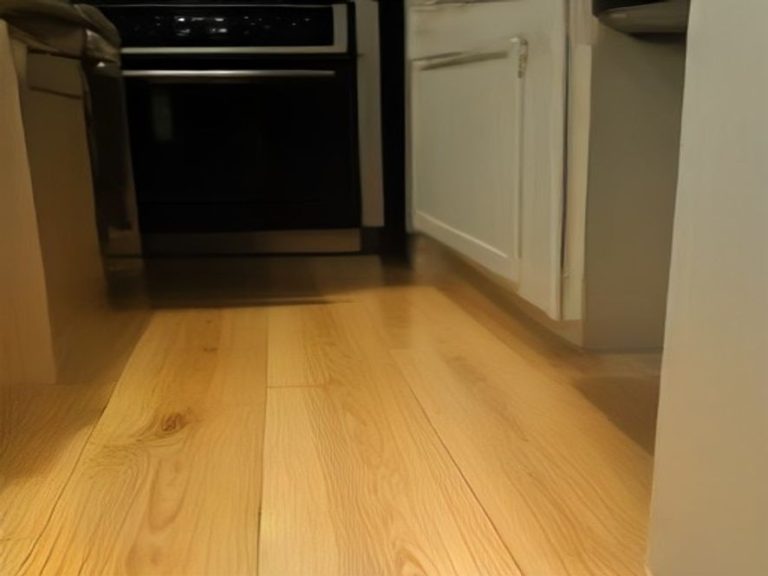
- Excessive water: Wood cabinets and floors can warp and swell . Rust can form on appliance bottoms if moisture sits too long.
- Ammonia-based cleaners: These can discolor stainless steel and damage protective coatings on appliances .
- Over-scrubbing: Scrubbing too hard does not make the surface cleaner—it wears away finishes and protective layers.
- Mixing chemicals: Combining bleach and ammonia creates toxic chloramine gas. This is a life-threatening mistake.
Common Mistakes by Surface Type and How to Fix Them
Glass Stovetops
The Mistake: Using steel wool, abrasive sponges, or the wrong scraper.
Why It Damages: Glass cooktops have a smooth, protective surface. Abrasive pads scratch this glass, creating tiny grooves that make the top look cloudy and trap burnt food forever .
The Solution:
- Always use a non-abrasive sponge or a microfiber cloth.
- For burnt-on food, use a dedicated glass cooktop scraper with a razor blade. Hold it at a 45-degree angle to lift the gunk without scratching .
- Use cleaners specifically labeled for glass stovetops.
- Italicize this tip: “Never slide heavy pots across the surface—always lift them. Sliding creates micro-scratches that become visible over time.”
Natural Stone Countertops (Granite, Marble, Quartz)
The Mistake: Cleaning with vinegar, lemon juice, or other acidic products.
Why It Damages: Natural stone is porous and reacts with acids. Vinegar and lemon juice break down the stone’s surface, causing dull spots, etching, and even pits . Over time, the stone loses its polish and becomes vulnerable to staining.
The Solution:
- Use a pH-neutral cleaner designed for stone.
- For a safe DIY option, use a few drops of mild dish soap in warm water .
- Wipe spills immediately, especially acidic ones like wine, tomato sauce, or coffee.
- Safety reminder: Always check the manufacturer’s recommendations for your specific stone type before using any cleaner.
Stainless Steel Appliances
The Mistake: Using chlorine bleach, ammonia, or abrasive cleaners and scrubbing in circles.
Why It Damages: Stainless steel has a protective layer that can be stripped by harsh chemicals, causing pitting and discoloration . Scrubbing in circles leaves permanent swirl marks that are almost impossible to remove.
The Solution:
- Use a cleaner designed specifically for stainless steel.
- Always wipe in the direction of the grain—the tiny lines in the metal—not in circles .
- For a DIY option, use a microfiber cloth dampened with warm water and a drop of dish soap, then dry thoroughly.
- Italicize this tip: “Diluted white vinegar can work for light cleaning, but it should be rinsed off quickly and not used on sealed or coated stainless steel.”
Wood Cabinets and Floors
The Mistake: Using too much water, harsh degreasers, or all-purpose cleaners.
Why It Damages: Wood absorbs moisture, which causes it to swell, warp, and crack . Harsh chemicals strip the finish and leave wood dry and unprotected.
The Solution:
- Use a wood-safe cleaner or a simple mixture of mild dish soap and warm water. Wring out your cloth well—it should be damp, not wet.
- Dry the surface immediately with a clean cloth to prevent water damage.
- For grease, use a specialized wood degreaser, but apply it sparingly.
Non-Stick Cookware
The Mistake: Using metal utensils, steel wool, or abrasive cleaners.
Why It Damages: Non-stick coatings are delicate. Abrasive scrubbers scrape the coating off, making pans sticky and allowing chemicals to leach into food .
The Solution:
- Use only soft sponges or nylon scrubbers.
- For tough stuck-on food, soak the pan in warm, soapy water first.
- Italicize this tip: “A paste of baking soda and water can gently lift stains without scratching the coating.”
Grout and Tile
The Mistake: Using acidic cleaners (vinegar, lemon juice) on grout.
Why It Damages: Grout is often made from cement-like materials. Acidic cleaners dissolve the grout, making it weaker and more porous .
The Solution:
- Use a neutral cleaner or a specific grout cleaner.
- For a DIY solution, use a paste of baking soda and water applied with a soft brush.
Comparison Table: Safe and Unsafe Cleaning Methods by Surface
| Surface Type | Safe Cleaners | Unsafe Cleaners | Safe Tools | Unsafe Tools |
|---|---|---|---|---|
| Glass Stovetop | Dedicated cooktop cleaner, baking soda paste | Vinegar, bleach, all-purpose sprays | Soft sponge, razor scraper (at 45°) | Steel wool, abrasive pads |
| Granite/Marble | pH-neutral stone cleaner, mild dish soap + water | Vinegar, lemon juice, bleach | Microfiber cloth, soft sponge | Abrasive pads, stiff brushes |
| Stainless Steel | Stainless steel polish, mild dish soap + water | Chlorine bleach, ammonia, vinegar (if left on) | Microfiber cloth (with the grain) | Steel wool, abrasive scrubbers |
| Wood Cabinets | Wood-safe cleaner, mild dish soap (damp cloth) | Harsh degreasers, all-purpose sprays | Soft cloth, microfiber | Wet mops, abrasive pads |
| Non-Stick Pans | Mild dish soap, baking soda paste | Oven cleaner, bleach | Soft sponge, nylon scrubber | Steel wool, metal utensils |
| Grout/Tile | Neutral cleaner, baking soda paste | Vinegar, lemon juice, bleach | Soft brush, sponge | Stiff wire brushes |
Chart: Surface Vulnerability to Common Cleaning Mistakes
The Golden Rule of Kitchen Cleaning
Before you clean any surface, ask yourself three questions:
- What is the surface made of? (Glass, stone, wood, metal, or coated?)
- Is my cleaner safe for this material? (Check the label or manufacturer’s guide.)
- Is my tool gentle enough? (Soft cloths and non-abrasive sponges are usually safe.)
This simple rule prevents 90% of common cleaning damage.
FAQ: Common Questions About Deep-Cleaning Mistakes
Can I use vinegar to clean everything in my kitchen?
No. Vinegar is acidic and will damage natural stone, grout, and some sealed surfaces. It is safe for glass and stainless steel if rinsed off quickly, but do not leave it on .
Why is my glass stovetop cloudy after cleaning?
Cloudiness is usually caused by micro-scratches from abrasive scrubbers or mineral deposits. You can try a cooktop polish, but scratches are permanent .
Is steel wool ever safe to use in the kitchen?
Only on cast iron pans or uncoated metal surfaces. Avoid it on glass, stone, stainless steel, and non-stick coatings .
Can I mix baking soda and vinegar for a stronger cleaner?
This mixture creates foam but neutralizes each other’s cleaning power . It is better to use baking soda as a paste or vinegar as a spray—not both at the same time.
What should I do if I accidentally used the wrong cleaner?
Rinse the surface immediately with water and dry it thoroughly. If damage appears, consult a professional for repair options.
How do I remove streaks from stainless steel?
Wipe with a microfiber cloth in the direction of the grain. Use a stainless steel polish or a small amount of mineral oil for a streak-free finish.
What is the most common mistake people make with granite?
Using vinegar or lemon juice to clean it. This etches the stone, leaving dull spots that require professional repolishing .
References
Trusted Sources for Safe Kitchen Cleaning and Surface Protection:
- The Spruce: 17 Cleaning Mistakes That Are Damaging Your Home
- Family Handyman: 9 Cleaning Mistakes You May Not Realize Are Damaging Your Home
- Apartment Therapy: 6 Cleaning Mistakes That Are Actually Damaging Your Home
- Martha Stewart: 10 Cleaning Mistakes That Could Be Damaging Your Home
Which kitchen problem do you want solved next? Share your thoughts in the comments.