Pantry Organization Reset: A Simple System That Stays Organized
You’ve spent hours organizing your pantry, only to find it in chaos two weeks later. The problem isn’t you — it’s the system.
TL;DR
A pantry reset that actually lasts starts with taking everything out, decluttering ruthlessly, and building zones around how your family actually cooks, not what looks good on Instagram. Use clear containers only for items that genuinely need them, add simple labels, and establish the FIFO (First In, First Out) method to prevent forgotten food. The real secret is a quick 5-minute weekly tidy — because maintenance beats overhaul every time.
Key Takeaways
- Reset, don’t just reorganize — a proper reset means emptying everything, deep cleaning, and rebuilding with intention
- Organize for how you live, not for Instagram — function beats aesthetics every time when it comes to lasting systems
- FIFO is non-negotiable — put new items behind older ones so nothing gets forgotten and expires
- Labels do the training for you — a labeled shelf tells everyone where things go without explanation
- A weekly 5-minute tidy keeps chaos away — small maintenance habits beat massive reorganizations
Why Your Pantry Keeps Falling Apart
If your pantry tends to fall back into clutter not long after you clean and organize it, you’re in good company. Professional organizer Allison Weigensberg says the issue typically isn’t a lack of effort — it’s likely the system needs a boost.
The biggest mistake people make is letting aesthetics drive the process. “People try to recreate some kind of Pinterest-perfect pantry… instead of organizing for how they actually live,” Weigensberg explains. They buy matching containers and decant everything for the look, and then the system falls apart because it’s too complicated to maintain.
The good news? A reset doesn’t have to be a weekend project. With the right approach, it can be done in a few focused hours, and the payoff lasts all season.
The Pantry Reset Protocol: Step-by-Step
Step 1: Empty Everything Out
This is the step people want to skip. Don’t. You cannot see what you actually have until it’s all in front of you.
Take everything out and group it by broad category on your counter or dining table. As you remove items, you’ll likely find surprises — duplicates, expired items, and things you forgot you owned.
Have contractor-grade garbage bags, a compost bin, and a donation box ready so the process moves quickly.
What to look for while sorting:
- Expired items (check spices especially — most lose potency after a year)
- Duplicates — four cans of coconut milk usually means you bought more because you couldn’t find what you had
- Items that don’t belong in the pantry — random batteries, birthday candles, rubber bands
- Things you genuinely won’t use — that quinoa you bought with great intentions last fall isn’t becoming dinner this month
Step 2: Clean Thoroughly
With the pantry completely empty, clean every nook and cranny:
- Wipe down all shelves with a mild cleaning solution (vinegar-water works well)
- Remove shelf liners, wash them, and let them dry completely
- Don’t forget corners, door interiors, and ceiling corners for cobwebs
- Sweep and mop the floor
Let surfaces dry completely before putting anything back — a damp pantry invites mold.
Step 3: Build Zones Based on How You Actually Cook
This is where most DIY pantry organization goes wrong. People buy matching bins and beautiful labels, then organize by aesthetics instead of behavior. Organize around how your family actually uses the pantry, not how it looks on social media.
Common zones for real families:
- Snacks at kid height — accessible, contained, and easy for children to reach without excavation
- Meal prep zone — grains, pasta, canned proteins, and sauces grouped together
- Baking zone — flour, sugar, baking soda, chocolate chips in one area
- Breakfast zone — cereals, oats, nut butters, syrups in one place for faster mornings
- Back stock — extras and bulk items on a higher or less accessible shelf
The goal is that anyone in the family — including the person who claims they “can’t find anything” — can navigate the pantry without asking you.
Step 4: Choose Storage Intentionally
Not everything needs a bin. Some categories genuinely benefit from containment — particularly snacks, packets (seasoning mixes, oatmeal pouches, taco kits), and small items that tip over.
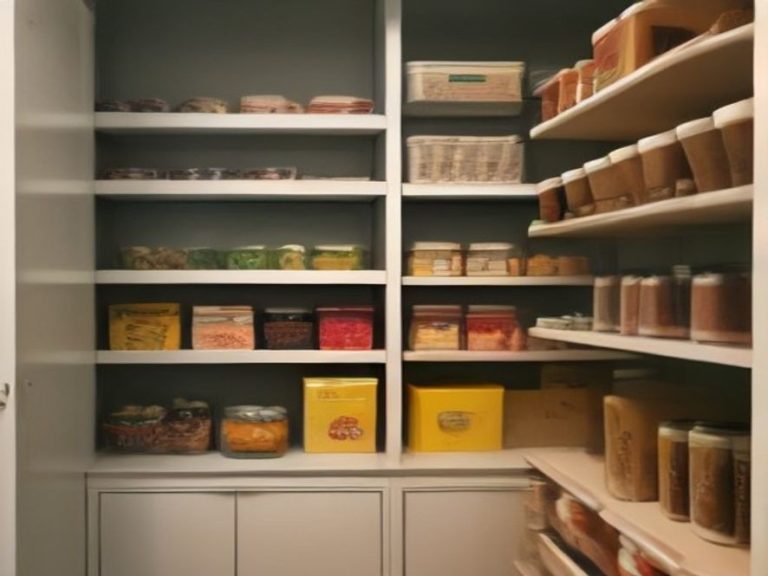
For items on open shelves, clear containers earn their cost many times over. When you can see that you’re almost out of rice without pulling the bag out, you grocery shop smarter. Less waste, fewer duplicate purchases, less low-grade pantry chaos.
Container tips:
- Use open bins to contain categories — they function like drawers on a shelf so you can slide one out and see everything at once
- Square or rectangular containers use shelf space more efficiently than round ones
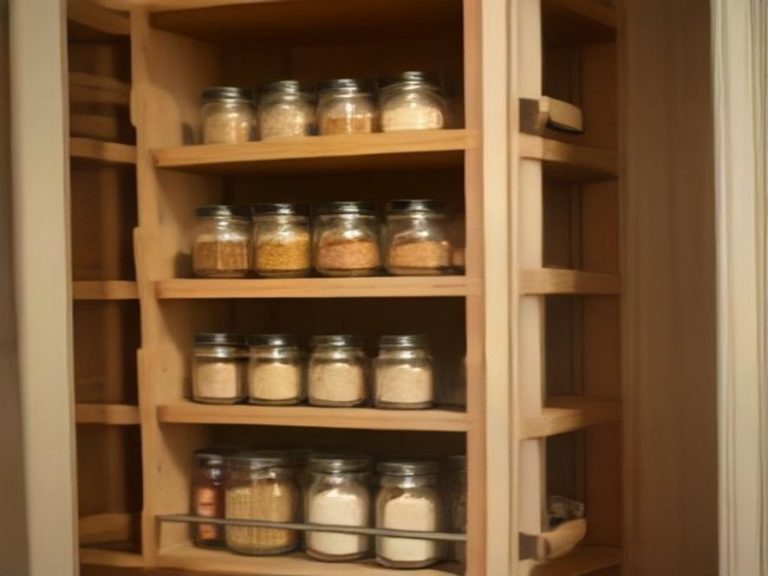
- You don’t need to decant everything — just start with the items you reach for most
Step 5: Label for Clarity, Not Perfection
Labels help, but only after the zones are working. “If you’re revamping the entire pantry, it will likely take people time to get used to it, and labels help,” says Weigensberg.
Labels don’t need to be elaborate — a simple tag with the ingredient name and, if you like, a “use by” date is enough. Chalkboard labels are easy to update, while printed labels are clean and consistent.
Labels aren’t just for looks — they tell everyone in the household where things go without you having to explain it every single time.
Step 6: Establish the FIFO Rule
First In, First Out (FIFO) is the system professional kitchens use — when you restock, put new items behind older ones so you naturally reach for the oldest first.
How FIFO works:
- When restocking, pull everything forward, add new items at the back, then slide the older items forward
- For canned goods, place newer cans in the back, older ones in front
- For dry goods in containers, finish what’s in the container before refilling
This simple habit prevents forgotten food and saves you from tossing out expired items months later.
Step 7: Give Your Household a Tour
A system only works if everyone in the house can follow it. Walk your family through the new setup once it’s done and incorporate their feedback.
Maybe the six-year-old’s cereal is on a shelf just out of reach, or you forgot that your teenager eats peanut butter toast every single morning and you put it all the way in the back. Adjust based on how people actually use the space.
The Maintenance Phase: Keeping It Organized
The best pantry system is one your whole family can actually maintain — and one that can flex when life changes. A new sports season, a schedule shift, or kids getting older can change how you eat, which means your pantry needs to keep up.
Daily habits:
- Return items to their place after use
- Put new groceries away intentionally, not just onto the nearest open shelf
Weekly habits:
- A quick 5-minute tidy — straighten up what has become disorganized and check for expired items
- If you know new groceries are coming, do a quick refresh to make room
Seasonal habits:
- Do a light reset at the start of each season — not a full overhaul, just a quick check-in
- Check what’s expired, what’s running low, and what zones need adjusting
Five minutes of maintenance is infinitely easier than starting from scratch every six months.
Comparison: A Functional Pantry vs. A Perfect Pantry
| Approach | Pros | Cons | Best For |
|---|---|---|---|
| Function-focused | Easy to maintain, works for everyone | May not look Instagram-perfect | Real families with busy lives |
| Aesthetic-focused | Looks beautiful and satisfying | Often too complex to maintain long-term | Photos and temporary satisfaction |
| Simple zones | Intuitive, anyone can follow | Requires initial planning | Homes with multiple users |
| FIFO system | Prevents food waste | Requires consistent restocking habits | Any household that wants to save money |
FAQ: Pantry Reset
1. How often should I do a full pantry reset?
Once or twice a year is sufficient for a full reset. Between resets, maintain with weekly quick tidies and seasonal check-ins.
2. Do I really need to take everything out?
Yes. You cannot see what you actually have until it’s all in front of you. This step helps you find duplicates, expired items, and things you forgot you owned.
3. What’s the biggest pantry organizing mistake?
Organizing for how it looks rather than how you live. Matching containers and perfect labels mean nothing if the system is too complicated to maintain.
4. Should I label everything?
Labels help, but label last, not first. Wait until your zones are established and working, then add labels to reinforce the system.
5. What’s FIFO and why does it matter?
First In, First Out means putting new items behind older ones so you use the oldest first. It prevents food waste and saves you money.
Start Your Reset Today
A pantry that stays organized isn’t about having the prettiest bins or the fanciest labels. It’s about building a system that works for the way your family actually cooks and eats. Start with a proper reset — empty everything, clean thoroughly, build zones that make sense, and establish simple habits that anyone can follow.
The goal isn’t a pantry that looks perfect. The goal is a pantry that makes your life easier, every single day.
Which part of your pantry needs a reset most? Share your thoughts in the comments.
Pantry Organization Reset: A Simple System That Stays Organized — Step-by-Step Guide for Real Kitchens