How to Create More Pantry Space Without Adding Cabinets: Smart Solutions and Tips
Your kitchen feels cramped, and you’re convinced the only solution is more cabinets. But what if you could create plenty of extra storage without a single new cabinet?
TL;DR
You don’t need to install new cabinets to get more pantry space. Use rolling carts and slim trolleys that tuck into narrow gaps between appliances . Convert an unused wall into a built-in pantry with lumber and shelving . Install open shelving, wall-mounted rails, and pegboards to take advantage of vertical space . Add door racks and magnetic spice strips to use surfaces you’re already ignoring . Repurpose furniture like bookshelves or dressers as freestanding pantries .
Key Takeaways
- Rolling carts and slim trolleys fit into gaps as narrow as 4-6 inches, turning dead space into functional storage
- Wall-mounted rails, magnetic strips, and pegboards free up counter and cabinet space without permanent installation
- The back of pantry and cabinet doors can provide 30-40% more usable storage when fitted with racks or organizers
- Repurposed furniture like bookshelves and dressers make stylish, portable pantries that move with you
- Open shelving and clear containers turn everyday ingredients into decor while keeping everything visible
Why More Pantry Space Doesn’t Mean More Cabinets
When storage runs low, most people assume the answer is buying or installing new cabinets. But cabinets are expensive, permanent, and often not an option for renters . The real solution is using the space you already have more cleverly.
The truth is, most kitchens have hidden storage potential in places you’ve never thought to look: narrow gaps between appliances, unused wall sections, the backs of doors, and even the space above the refrigerator . By activating these overlooked areas, you can create significant pantry storage without any major construction.
Best Ways to Add Pantry Space Without Cabinets
Rolling Carts and Slim Trolleys
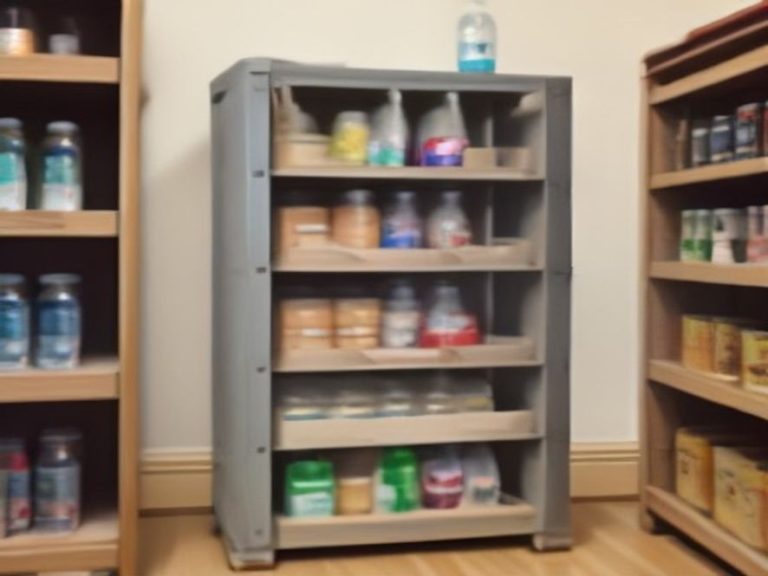
Mobile storage is one of the most versatile solutions for adding pantry space. A rolling cart with shelves can hold canned goods, spices, boxed ingredients, and small appliances . The best part? You can tuck it into unused corners or roll it out when you need extra prep space .
For tight kitchens, look for slim carts designed to fit the gap between your refrigerator and wall — some are as narrow as 4-6 inches . Choose one with locking wheels so it stays steady while you’re cooking .
Best for: Canned goods, spices, everyday ingredients, small appliances
Cost: $25-100 depending on size and quality
Installation: None — just roll into place
Build a Pantry Into an Unused Wall
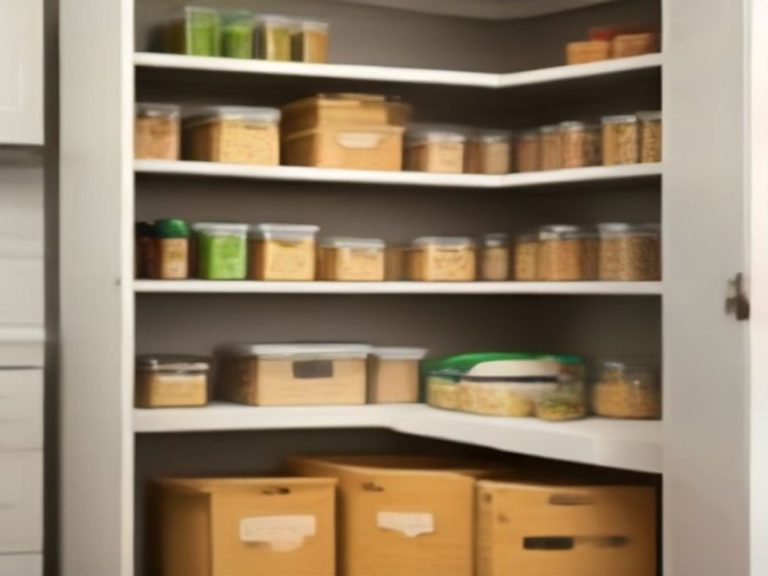
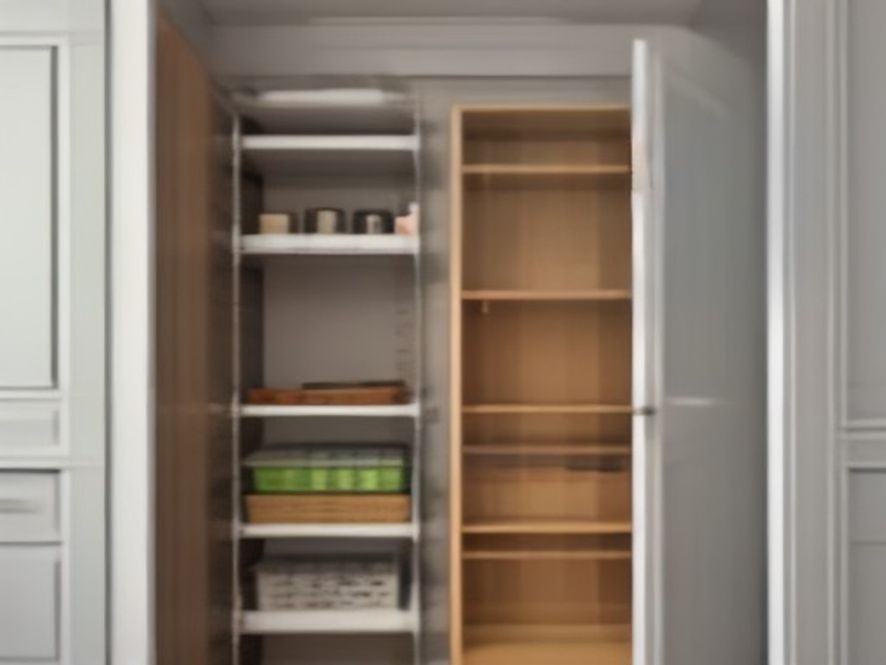
If you have an empty wall section in your kitchen, you can build a full-height pantry without adding cabinets. One homeowner replaced a freestanding wire rack with a built-in pantry constructed from lumber framing, drywall, custom shelving, and double doors .
The project used the same floor space as the original rack but provided full-height shelving and concealed storage. The key steps include installing wood framing, covering it with drywall, adding custom shelves cut to fit the exact space, and finishing with doors that match the kitchen .
Best for: Permanent storage, concealing clutter
Cost: Moderate — requires materials and DIY skills
Installation: Requires construction work
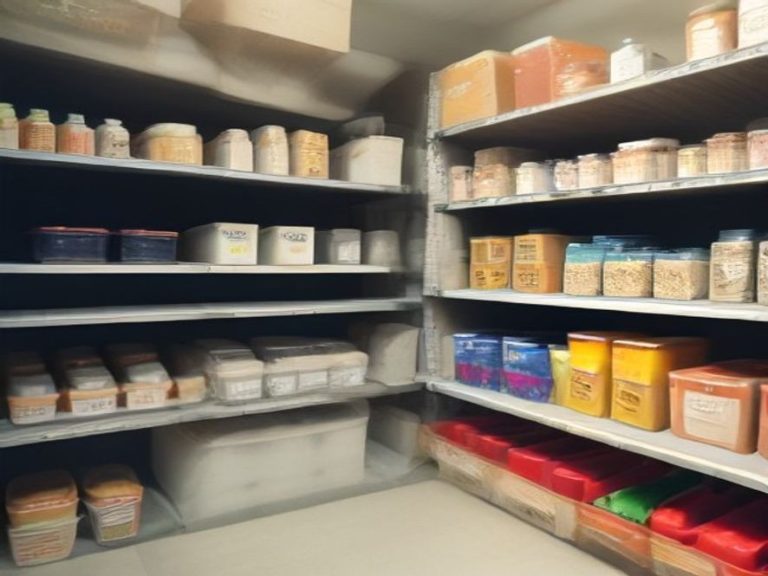
For a simpler approach, install freestanding shelving units that reach the ceiling. One homeowner replaced a single wire rack with wraparound shelving that used the full perimeter of the pantry room, creating separate storage zones for different categories of items .
Open Shelving
Open shelves are the cornerstone of cabinet-free storage . They keep everyday items within reach, visually expand the room, and let you turn your ingredients into decor .
The trick to making open shelving work is being intentional about what you display. Use matching jars and baskets to create visual uniformity . Transfer dry goods into clear containers so everything looks cohesive and you can see what you have at a glance .
Best for: Everyday dry goods, dishes, cookbooks
Cost: $10-30 per shelf
Installation: Requires wall mounting
Wall-Mounted Rails, Pegboards, and Magnetic Strips
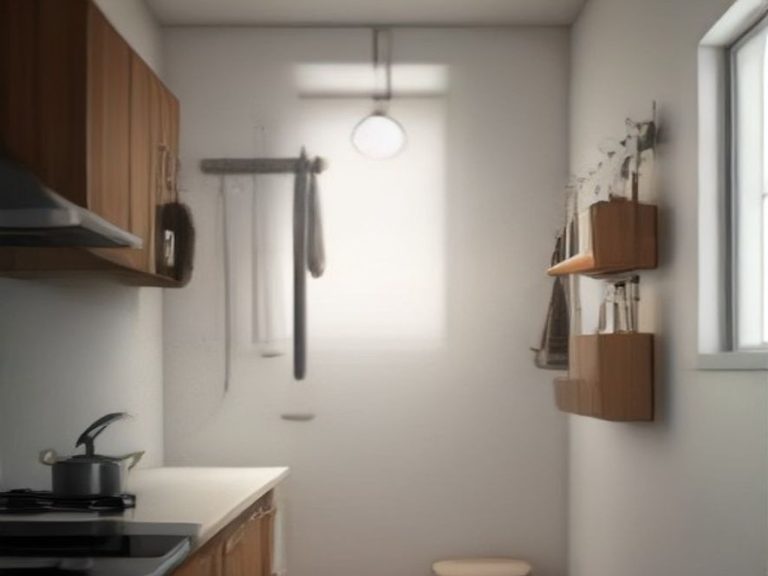
Walls are your best friend when cabinets aren’t an option . Install a rail system with S-hooks to hang utensils, mugs, and lightweight pots. Mount a pegboard to hang everything from pots and pans to cutting boards and kitchen tools .
Magnetic knife strips keep sharp tools safely off the counter and within reach . In one studio renovation, the homeowner reclaimed an entire countertop simply by moving tools and utensils to wall-mounted rails .
Best for: Pots, pans, utensils, knives
Cost: $10-40 depending on system
Installation: Requires wall mounting
Door-Mounted Storage
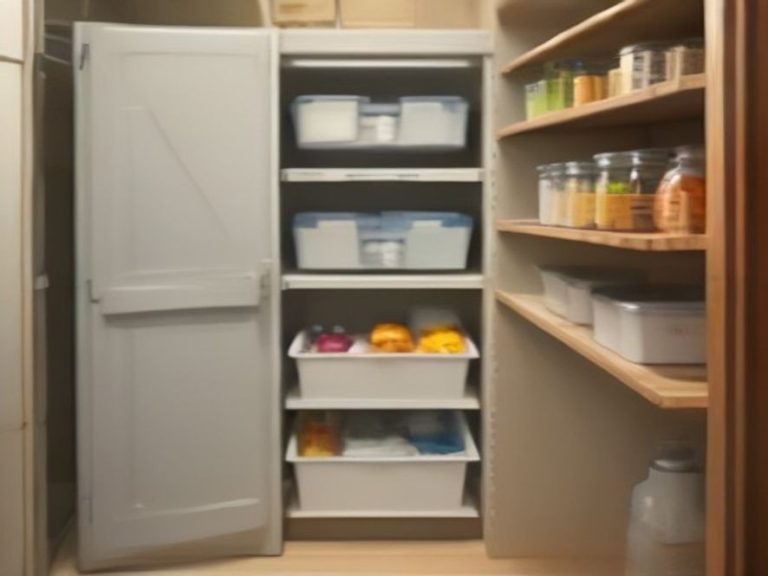
The backs of your pantry and cabinet doors hold more potential than you realize. Over-the-door racks can store spices, snack packets, foil, and small jars without taking up shelf space . This can increase usable storage by 30-40% .
For a budget-friendly option, hang an over-the-door shoe organizer and use each pocket for specific items like seasoning packets, tea bags, or small bottles .
Best for: Spices, small items, packets
Cost: $20-35
Installation: No tools — just hang over the door
Repurpose Furniture
That old bookshelf, sideboard, or dresser sitting in storage can become your new pantry . Bookshelves have adjustable shelves so you can customize heights for canned goods, cereal boxes, and pasta containers. Deep drawers work well for bulk items and cookware .
Style the top with a plant or a cookbook stack to make it look intentional rather than just functional .
Best for: Dry goods, cookware, linens
Cost: Free if you already own the piece
Installation: None — just place and organize
Magnetic Spice Racks on the Fridge
The side of your refrigerator is prime real estate that usually goes unused. Attach magnetic spice tins or a magnetic rack to hold your most-used seasonings . This frees up cabinet space and keeps spices visible and accessible while cooking.
One fridge side can hold 20-30 spice jars easily .
Best for: Spices
Cost: $20-30 for a set
Installation: No tools — just stick to the fridge
Use the Space Above the Refrigerator
The area above your refrigerator is often wasted space. It’s ideal for storing bulk food items, rarely used appliances, or backup pantry staples . Add a shelf or use baskets to keep items contained and looking tidy.
Best for: Bulk items, backup supplies
Cost: Minimal with existing shelving
Installation: None — just place items
Comparison of Storage Solutions
| Solution | Best For | Effectiveness | Difficulty Level | Cost |
|---|---|---|---|---|
| Rolling carts | Flexible, portable storage | High | Very Easy | $25-100 |
| Wall-built pantry | Permanent, high-capacity storage | Very High | Difficult | Moderate |
| Open shelving | Everyday items, visual appeal | Medium | Moderate | $10-30/shelf |
| Wall-mounted rails/pegboards | Tools, utensils | High | Moderate | $10-40 |
| Door-mounted racks | Spices, small items | Medium | Very Easy | $20-35 |
| Repurposed furniture | Budget-friendly, portable | High | Very Easy | Free-50 |
| Magnetic spice racks | Spices | Medium | Very Easy | $20-30 |
FAQ: Creating Pantry Space Without Cabinets
1. Can I create a pantry if I’m renting?
Yes. Rolling carts, over-the-door organizers, magnetic racks, and freestanding furniture require no permanent changes — all renter-friendly .
2. What’s the cheapest way to add pantry storage?
Repurpose furniture you already own, use over-the-door racks, or add magnetic spice strips. All are under $40 .
3. How do I use a narrow gap for storage?
Slim rolling carts designed for gaps between appliances (as narrow as 4-6 inches) work perfectly for oils, canned goods, and spices .
4. Can open shelving look messy?
If you’re not intentional, yes. Use matching containers, limit displayed items, and group things by category for a clean look .
5. What’s the most effective non-cabinet solution?
A well-designed combination of vertical storage (shelving, rails, pegboards) and door-mounted racks typically provides the most capacity without taking floor space .
Start Small and Build
Creating more pantry space without adding cabinets starts with recognizing the storage potential you already have. Look at your kitchen with fresh eyes — notice the empty wall, the gap beside the fridge, the unused door surface. Start with one or two solutions that fit your space and budget, then expand as you see what works.
Small changes like these can transform a cluttered kitchen into one of the most functional spaces in your home.
Which no-cabinet storage solution are you excited to try first? Share your thoughts in the comments.
How to Create More Pantry Space Without Adding Cabinets: Smart Storage Solutions for Small Kitchens