How to Remove Grease and Food Buildup From a Dishwasher
Your dishwasher works hard to clean your dishes, but without proper care, grease and food particles build up inside and can leave your glasses cloudy and your kitchen smelling funky.
TL;DR
Removing grease and food buildup from your dishwasher involves cleaning the filter, unclogging the spray arms, and running a deep cleaning cycle. The filter needs cleaning every 2-4 weeks to trap food scraps effectively, while spray arms require checking every few months for clogs. A monthly cycle with white vinegar or a commercial dishwasher cleaner breaks down hidden grease in pipes and hoses. These simple steps prevent odors, improve cleaning performance, and extend your appliance’s life.
Key Takeaways
- Clean the filter every 2-4 weeks to remove trapped food scraps before they decompose and cause odors
- Unclog spray arm holes with a toothpick or wire to restore water pressure and cleaning power
- Run a monthly deep cleaning cycle using white vinegar or a purpose-made dishwasher cleaner to break down hidden grease
- Clean door seals and gaskets regularly to prevent mold and mildew growth in damp areas
- Scrape plates before loading to reduce the amount of food that ends up in your filter and drain
Why Your Dishwasher Gets Greasy Inside
Even though your dishwasher washes with hot water and strong detergent, it doesn’t clean itself . Food scraps that escape your plates end up in the filter, grease coats the interior walls and pipes, and hard water minerals leave chalky deposits. Over time, this buildup causes unpleasant odors, poor washing results, and can even shorten your dishwasher’s lifespan . The hidden pipes and hoses are especially vulnerable to grease and limescale accumulation that you can’t see but can certainly smell .
Step-by-Step Guide to Removing Grease and Buildup
Step 1: Empty and Prepare the Dishwasher
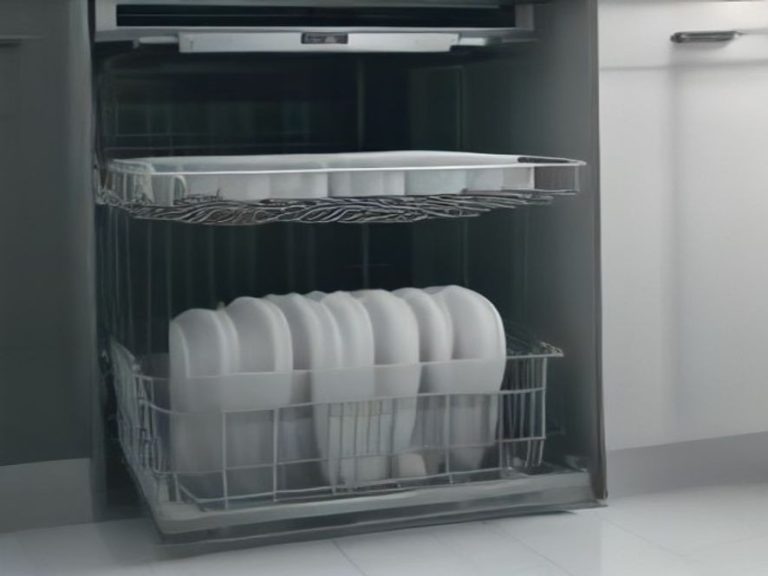
Start with an empty dishwasher. Remove the bottom rack so you can access the filter and drain area. Check for visible food scraps, labels, or debris and wipe them away with a paper towel .
Step 2: Clean the Filter Thoroughly
Most modern dishwashers have a removable filter at the base. Twist or lift it out according to your manual .
- Rinse the filter under warm running water
- Use a soft brush or old toothbrush to gently remove grease and grime
- For stubborn buildup, fill your sink with hot water and a few drops of dish soap, soak the filter for about 5 minutes, then scrub with baking soda as a mild abrasive
- Avoid harsh scrubbing pads that may damage the filter
This step is critical—a dirty filter is the most common cause of smelly dishwashers and poor cleaning performance .
Step 3: Unclog the Spray Arms
Sediment from hard water and food particles like small seeds can bypass the filter and end up lodged in the holes of the spray arms, creating low water pressure . This is why your dishes might come out cloudy or with food bits still attached.
For most dishwashers:
- Remove the lower spray arm (most pop off or have a plastic locking nut)
- For the upper arm, follow your manual—some allow removal while others should be cleaned in place
- Rinse under warm water and clear each hole with a toothpick, cocktail stick, or a piece of wire coat hanger
- Push the wire all the way into each hole and move it in a circular motion to break away buildup
- For heavily clogged arms, soak them in warm water and vinegar for a few hours before cleaning
Step 4: Clean the Door Seals and Edges
Wipe the rubber seals around the door with a damp cloth and mild detergent. Pay special attention to corners where mold can develop. Use a toothbrush for stubborn grime . Mix half a cup of vinegar with three cups of hot water and use this solution with your toothbrush to gently loosen and wipe away grime in the gasket .
Step 5: Run a Deep Cleaning Cycle
You have two effective options here:
Option A: Vinegar and Baking Soda Method
- Pour one cup of distilled white vinegar into a dishwasher-safe bowl and place it on the top rack
- Run your dishwasher on the hottest setting
- When the cycle ends, sprinkle one cup of baking soda across the bottom of the dishwasher
- Run a short hot water cycle (often labeled quick wash or express wash)
Important: Never add vinegar and baking soda together in the same cycle—the reaction between them can leave you with a foamy mess to clean up .
Option B: Commercial Cleaner
Place a dishwasher cleaner tablet on the bottom of the empty dishwasher or, if using a liquid cleaner, remove the sticker, place the bottle upside down in the bottom rack, and run a high-temperature cycle (at least 60°C/140°F) .
Step 6: Wipe Down and Air Dry
After the cleaning cycle ends, use a damp microfiber cloth to wipe the interior walls, the dishwasher door frame, and the control panel. Leave the door open and allow the interior to air dry completely .
Comparison Table: Dishwasher Cleaning Methods
| Method | How It Works | Best For | Frequency | Cost |
|---|---|---|---|---|
| Filter + Hand Scrub | Manual removal of trapped food particles | Regular maintenance | Every 2-4 weeks | Free |
| Vinegar Cycle | Dissolves grease, soap residue, and odors | Monthly deep cleaning | Monthly | Very Low |
| Baking Soda Cycle | Scrubs away dried food and neutralizes odors | Freshening after vinegar clean | Monthly | Very Low |
| Commercial Cleaner | Removes hidden grease and limescale in pipes | Heavy buildup, tough grease | Monthly | Medium |
How Often Should You Clean Your Dishwasher?
| Component | Cleaning Frequency |
|---|---|
| Filter | Every 2-4 weeks |
| Interior deep clean | Monthly |
| Spray arms | Every few months |
| Door seals and exterior | Every 2 weeks |
Prevention Tips to Keep Grease Away Longer
Scrape plates before loading. You don’t need to rinse dishes, but scraping off excess food prevents buildup in the filter and drain .
Avoid overloading. Piling dishes on top of each other means water and detergent can’t reach everything properly .
Keep rinse aid topped up. This prevents watermarks and reduces mineral buildup .
Leave the door slightly open after cycles. This allows the interior to air dry and prevents musty odors .
Check your manual before using vinegar or baking soda. Some manufacturers advise against these methods as they could damage internal parts .
FAQ: Dishwasher Grease and Buildup Questions
1. Why does my dishwasher smell bad even after I clean it?
A dirty filter is usually the culprit—food trapped there decomposes and causes odors. Clean the filter thoroughly and run a vinegar cycle .
2. How do I unclog dishwasher spray arms?
Remove the spray arms and use a toothpick or wire coat hanger to clear each hole. Soak heavily clogged arms in vinegar solution before cleaning .
3. Can I use vinegar and baking soda together to clean my dishwasher?
Not in the same cycle—the reaction between them causes foaming and a mess. Use vinegar in one cycle and baking soda in a separate cycle .
4. How often should I clean my dishwasher filter?
Every 2-4 weeks, depending on how often you use your dishwasher .
5. What’s the best way to remove grease from a dishwasher?
A hot cycle with white vinegar or a purpose-made dishwasher cleaner effectively breaks down grease buildup .
6. Why are my dishes coming out cloudy?
Clogged spray arms reduce water pressure, preventing pods from fully dissolving and leaving a cloudy haze. Clean the spray arm holes with a toothpick or wire .
Which part of your dishwasher causes you the most frustration—cloudy glasses, funky smells, or something else? Share your experience in the comments!
References
Dishwasher maintenance guides and manufacturer recommendations for grease and food buildup removal:
- New Idea – How to Clean Your Dishwasher and Keep It Running Like New
- Real Simple – How to Deep Clean Your Dishwasher With Baking Soda
- Yahoo – The Dishwasher Part You Didn’t Know You Had to Clean
- Southern Living – How to Clean Your Dishwasher With Vinegar and Baking Soda
- Electrolux – How to Clean and Maintain Your Dishwasher