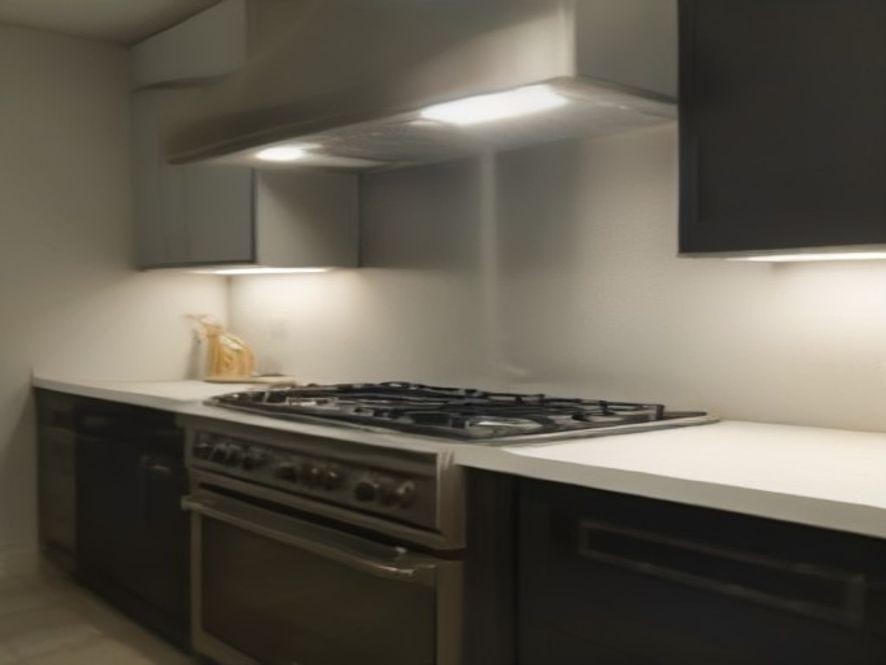
Why Does My Kitchen Smell Bad When the Oven Is Off?
You haven’t cooked all day, the oven is completely cold, but that lingering smell is still hanging in your kitchen air.
TL;DR
A bad smell in your kitchen when the oven is off usually comes from old food residue, grease, or spills inside the oven cavity that release odors even without heat. The smell can also come from the drip pan, stovetop burners, the oven door seal, or even a burnt-out heating element. When the oven heats up, it burns off some smells—but when it’s cold, the oils and residue stay trapped and slowly release stale, rancid odors into your kitchen.
Key Takeaways
- Old oven spills and baked-on grease release odors even at room temperature
- The oven door seal or gasket traps food particles and moisture
- Drip pans under gas burners collect grease and carbon that smell rancid
- Burnt-out heating elements can give off a distinct chemical or oily smell
- A self-cleaning cycle gone wrong can leave behind a burnt residue that continues to smell for days
Why Does My Oven Smell When It’s Not On?
If your oven smells bad when it’s off, the odor is usually coming from old food residue, grease, or oils that have baked onto the interior surfaces over time. These residues release volatile organic compounds (VOCs) even when cold, creating a stale, oily, or burnt smell .
The smell is worse when the oven is off because heat normally burns off and masks some of these odors. When the oven cools, the smells become more noticeable as the air circulates into your kitchen.
6 Hidden Places in and Around Your Oven
1. Baked-On Food and Grease Inside the Oven
This is the most common source of oven smells. Over time, food splatters from roasting, baking, and broiling coat the bottom, walls, and ceiling of the oven cavity. Even small drips can burn onto the surface and create a lingering smell .
What to look for: Dark, baked-on stains on the oven floor, walls, or racks. You might see carbonized food residue that looks like burnt crust.
How to fix it:
- Make a paste with baking soda and water and apply it to the stains
- Let it sit overnight, then scrub with a non-abrasive sponge
- Wipe down with a damp cloth and dry thoroughly
- For heavy buildup, carefully use a razor scraper on the glass and smooth surfaces
- Use a vinegar spray afterward to neutralize any remaining odors
2. The Oven Door Seal or Gasket
The rubber or fiberglass seal around your oven door traps food particles, grease splatters, and moisture. If you’ve ever had a spill that ran down the inside of the door, some of that liquid likely seeped into the gasket . Over time, this trapped residue can develop a moldy or burnt smell.
What to look for: Discoloration on the door seal, visible food particles caught in the crevices, or a musty odor when you sniff near the door.
How to fix it: Wipe the seal down with a solution of warm water and mild dish soap. For stuck-on grime, use a toothbrush dipped in the soapy water . Always dry thoroughly to prevent moisture buildup.
3. Drip Pans Under Gas Burners
If you have a gas stove, the drip pans under the burners collect oil, grease, and carbon from cooking. Many people only clean the stovetop surface and forget about the drip pans underneath . When these pans get greasy, they can smell stale, burnt, or rancid even when the oven is off.
How to fix it: Remove the drip pans and soak them in hot soapy water. Scrub off the residue, rinse, and dry thoroughly. For heavy carbon buildup, replace the pans—they’re inexpensive and sold at most hardware stores.
4. The Oven Vent or Exhaust
Ovens have vents that release heat and moisture. If grease or food particles have gotten into the vent, the smell can circulate through your kitchen. The vent is usually at the back of the stovetop or behind the back panel .
How to fix it: Wipe down the vent opening with a degreaser. If the smell persists, consult your oven manual for cleaning access to the ventilation system.
5. The Heating Element
A burnt-out heating element can give off a distinct oily, chemical, or plastic-like smell . This is one of the few oven smells that may indicate a serious problem.
What to look for: The smell is strongest when the oven is off but has been used recently. You might see bubbles, blisters, or black spots on the heating element . If the element is visibly damaged, turn off the oven and call a repair technician .
6. The Self-Cleaning Cycle Residue
Self-cleaning cycles use extreme heat to burn off food residue, but they don’t always remove everything. In fact, the self-cleaning function can sometimes create a lingering burnt smell . The process can leave behind ash or carbon residue that smells like a chemical fire when the oven is off.
How to fix it: If the self-cleaning cycle has left a burnt smell, wipe out the residual ash with a damp cloth. Leave the oven door open (when safe) to ventilate the area.
Comparison Table: Oven Smell Sources and Solutions
| Source | What It Smells Like | Easiest Fix |
|---|---|---|
| Baked-on food inside oven | Stale, burnt, or rancid | Baking soda paste + scrub |
| Door seal/gasket | Musty, food residue smell | Wipe with soapy water and toothbrush |
| Drip pans (gas stoves) | Burnt grease, rancid oil | Soak and scrub or replace |
| Oven vent | Greasy, stale air | Clean with degreaser |
| Heating element damage | Oily, chemical, or plastic | Call a repair technician |
| Self-cleaning residue | Burnt chemical odor | Wipe ash and ventilate |
Step-by-Step Guide: Deep Clean Your Oven
Step 1: Ventilate the Kitchen
Open windows and turn on exhaust fans to circulate air before you start cleaning.
Step 2: Remove Oven Racks and Drip Pans
- Take out all racks, pans, and probes
- Soak racks in hot, soapy water overnight
- Scrub and rinse thoroughly
Step 3: Make a Baking Soda Paste
- Mix 1/2 cup baking soda with 3 tablespoons water
- Adjust to a spreadable paste consistency
- Apply generously to the oven floor, walls, and door
Step 4: Let It Sit
Leave the paste on the surface for 12 to 24 hours . The longer it sits, the better the cleaning power.
Step 5: Wipe and Scrub
- Wipe off the paste with a damp cloth
- Use a non-abrasive sponge or plastic scraper for stubborn spots
- Use a razor scraper carefully on the glass door only
Step 6: Rinse and Dry
- Spray with a 50/50 vinegar and water solution to neutralize baking soda
- Wipe again with a clean, damp cloth
- Dry thoroughly with a paper towel
Step 7: Clean the Door Seal
- Dip a toothbrush in warm soapy water
- Gently scrub the gasket crevices
- Wipe with a damp cloth and dry completely
“Most kitchen problems come from small maintenance habits that are often ignored.”
When to Replace or Call a Professional
- If the heating element is visibly damaged or smells strongly of burning plastic
- If the smell is accompanied by smoke or sparks
- If the self-cleaning cycle repeatedly leaves a burnt chemical odor
- If the oven door seal is cracked, dry, or no longer seals tightly
Always unplug your oven before any cleaning or maintenance that involves reaching inside the electrical components.
Prevention: How to Keep Your Oven Smelling Fresh
| Prevention Habit | Why It Helps |
|---|---|
| Wipe up spills immediately | Prevents baked-on residue |
| Use oven liners or baking sheets | Catches drips before they hit the oven floor |
| Run the vent fan while cooking | Removes grease from the air before it settles |
| Clean the stovetop and drip pans weekly | Prevents rancid oil buildup |
| Avoid the self-cleaning cycle for minor messes | Prevents burnt chemical odors |
| Deep clean the oven every 3-6 months | Keeps residue from building up |
Line the bottom rack with a baking sheet when roasting to catch drips and make cleanup easier.
FAQ
Why does my oven smell bad when it’s off but not when it’s on?
When the oven heats up, some odors burn off. When it’s off, the air is cooler and odors from old residue linger and become more noticeable .
Why does my oven smell like oil or plastic?
A chemical or oily smell may indicate a damaged heating element or residual oil from manufacturing on new ovens . Check the heating element for damage.
Can a dirty oven make a whole kitchen smell bad?
Yes. Baked-on grease and food particles release volatile compounds even at room temperature, which can circulate through your kitchen.
Is the self-cleaning cycle causing the smell?
Yes. The self-cleaning cycle burns off food into ash, but it can also leave behind carbon residue and a chemical-like odor. Wipe away ash and ventilate afterward.
How often should I clean my oven to prevent smells?
Clean the stovetop weekly, wipe spills immediately, and do a deep clean of the oven cavity every 3 to 6 months.
Why does my oven smell musty when it’s off?
This often comes from the oven door seal trapping moisture and food particles. Clean the seal with soapy water and a toothbrush.
Should I replace my oven if it smells bad when off?
Usually no—a good cleaning solves most smell issues. If the smell is chemical-like and accompanied by visible heating element damage, you may need a repair.
References
Trusted sources for oven cleaning and maintenance:
- Baking Kneads – Why Oven Smells When Off
- The Kitchn – Easy Oven Cleaning Guide
- Whirlpool – How to Clean an Oven
- Consumer Reports – Oven Cleaning Tips
Which kitchen problem do you want solved next? Share your thoughts in the comments.