Why Does My Garbage Disposal Smell Even After Cleaning? Causes and Easy Fixes
You’ve run the ice, dropped in the lemon peels, and poured baking soda down the drain, but that lingering, funky smell just won’t go away.
TL;DR
A disposal that keeps smelling after you’ve cleaned it usually means you missed a key spot—the underside of the rubber splash guard—or there’s deeper gunk in the P-trap pipe . This hidden residue continues to decompose and cause odors. The fix involves a targeted clean for each area: scrub the splash guard directly, clean the grinding chamber, and flush the drain pipe.
Key Takeaways
- The rubber splash guard is the #1 hidden spot: Its underside traps food and slime, creating a “biofilm” that standard rinses can’t reach .
- The P-trap can be the real source: If the smell is constant, even with a clean disposal, the issue could be a buildup of gunk in the curved pipe under your sink .
- Cold water is your best friend: Always use cold water when running the disposal to keep grease solid so it gets flushed out instead of coating your pipes .
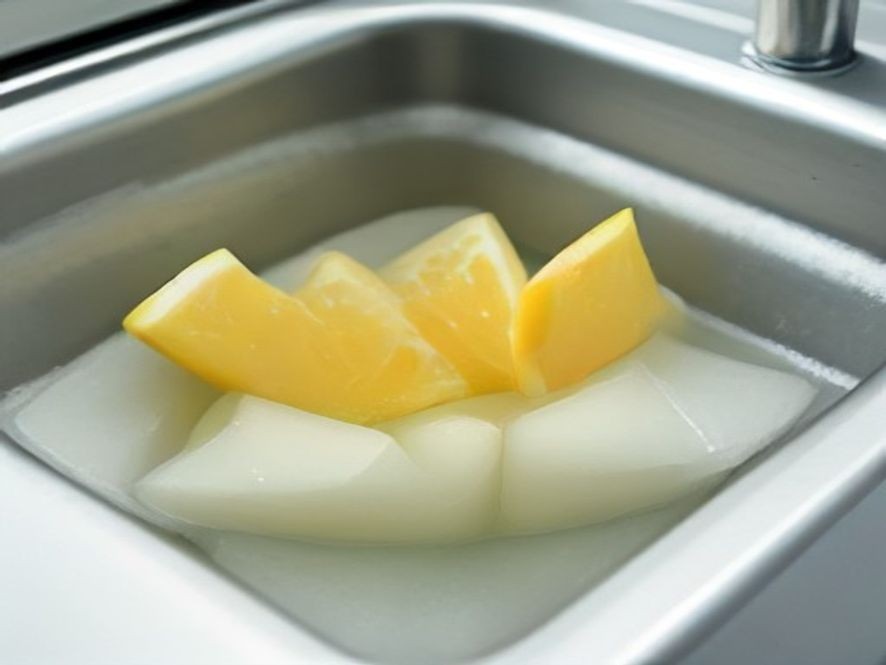
- Citrus is a finisher, not a cleaner: While lemon peels can freshen things up, they shouldn’t replace a proper deep clean and can leave behind sugary residue that can lead to new smells .
The Real Causes of That Persistent Smell
When the smell returns despite your efforts, the issue is usually hiding in one of two places you might have overlooked.
The Dirty Splash Guard
The rubber flap that sits at the entrance of your disposal is often the main culprit. While the inside of the unit gets splashed with water, the underside of this guard is a perfect, dark, and moist place for a “biofilm” of bacteria to grow .
This slimy film is a colony of bacteria that sticks to surfaces and needs physical scrubbing to remove. Water and lemon peels won’t touch it .
A Gunky P-Trap
The curved pipe under your sink, called the P-trap, is designed to hold water to block sewer gases, but it can also trap a lot of grease and food debris . The smell you’re smelling might be coming from the pipe below the disposal, and no amount of cleaning from above will fix that .
A Step-by-Step Guide to Banishing the Smell
Follow these steps to clean the hidden spots and get your sink smelling fresh.
Step 1: Clean the Splash Guard
This is the most important step. You need to physically clean the underside of that rubber guard.
- Stop! Before anything else, make sure the disposal is turned off and unplugged for safety.
- Lift and Scrub: Lift the rubber flaps of the splash guard. Use an old toothbrush and warm, soapy water to scrub the underside thoroughly . You’ll be amazed at the dark gunk that comes off.
- Deep Clean: If the guard is removable, pop it out (sometimes with a flathead screwdriver) and soak it in soapy water . You can even run some models through the dishwasher .
Step 2: Clean the Grinding Chamber
Once the splash guard is clean, use a method that cuts through residue.
- Ice and Baking Soda/Vinegar: Drop in a handful of ice cubes, followed by a half-cup of baking soda and a half-cup of white vinegar. Let it fizz for 10-15 minutes to break down loosened debris, then run the disposal with cold water to flush it through .
- Ice Cubes: Simply running a handful of ice cubes with cold water can help scrape away debris from the grinding chamber blades .
Step 3: Flush the P-Trap
If the smell persists after cleaning the splash guard and disposal, the P-trap is your next stop.
- Place a bucket under the curved pipe.
- Loosen the slip nuts and carefully remove the trap.
- Empty the gunk and scrub it clean with a bottle brush and warm, soapy water.
- Reassemble and check for leaks .
“Most kitchen problems come from small maintenance habits that are often ignored.” Regular cleaning of the splash guard and P-trap keeps your kitchen odor-free.
Comparison of Common Odor-Causing Areas
| Area | Why It Smells | Effectiveness of Standard Clean | How to Fix It |
|---|---|---|---|
| Splash Guard Underside | Biofilm of bacteria trapped in the moist, dark space | Low | Physically scrub with a brush |
| Grinding Chamber | Food residue stuck to the walls | Medium | Use ice and baking soda/vinegar |
| P-Trap | Grease and food buildup in the curved pipe below the sink | Very Low | Remove and physically clean it |
| Drain Line | Partial clogs or improper drainage | Low | Check for backflow issues or use an enzymatic cleaner |
How to Prevent Future Odors
- Flush with cold water: Run cold water for at least 15 seconds before and after using the disposal .
- Clean the splash guard weekly: A quick scrub with an old toothbrush during your regular kitchen cleaning will prevent buildup.
- Use citrus sparingly: A few lemon or orange peels can freshen the unit after a deep clean, but they shouldn’t be your only cleaning method .
- Know what to avoid: Keep potato peels, eggshells, coffee grounds, and fibrous vegetables (like celery) out of the disposal to prevent clogs and buildup .
Frequently Asked Questions
Why does my garbage disposal smell even after I cleaned it with lemons and ice?
You likely missed the underside of the rubber splash guard, where a slimy biofilm of bacteria thrives. Lemons and ice mask or loosen surface grime but don’t remove this sticky layer .
Is the smell coming from my disposal or the drain pipe?
The P-trap below your sink can trap grease and food, causing odors that rise up. If the smell is constant and deep, it’s likely the pipes .
What’s the best way to clean the splash guard?
Scrub it thoroughly with a toothbrush and warm, soapy water. If it’s removable, pop it out to soak or even run it through the dishwasher .
How do I clean a garbage disposal with baking soda and vinegar?
Pour half a cup of baking soda into the disposal, add half a cup of vinegar, and let it foam for 10-15 minutes, then flush with cold water while running the disposal .
Why does cold water work better than hot water for the disposal?
Cold water keeps grease solid, helping it get flushed out through the pipes. Hot water liquefies grease, which then re-solidifies and sticks to your pipes, causing clogs and smells .
Sources and references for kitchen odor control:
- Roto-Rooter – Garbage Disposal Odor Guide
- Homedit – Prevention and Maintenance Tips
- The Design Confidential – The Hidden Cause of Persistent Odors
- Mr. Appliance – Professional Troubleshooting Tips
Which kitchen problem do you want solved next? Share your thoughts in the comments.