Why Is There Water on the Floor Under My Refrigerator? Causes and Fixes
You walk into the kitchen, and there it is—a small puddle of water spreading out from under your refrigerator, making you wonder if your appliance is about to give up.
Finding water under your fridge is stressful, but the good news is that the cause is often simple to fix. In most cases, it’s not a sign that your refrigerator is dying. It’s usually a symptom of a clogged drain, a minor maintenance issue, or a problem with the water supply line. Let’s figure out what’s happening and how to get your kitchen floor dry again.
TL;DR
- A blocked defrost drain is the most common cause—water from the automatic defrost cycle overflows instead of going into the drain pan
- Water at the front usually means a clogged drain; water at the back often points to a water supply issue
- Start with simple fixes—clear the drain hole, level the fridge, or check water line connections before calling a pro
- If the leak is heavy or keeps returning, you may need a professional to check the defrost system or internal components
- Regular maintenance like flushing the drain once or twice a year can prevent most water leaks
Key Takeaways
- The location of the puddle tells you a lot: water at the front usually means a blocked drain; water at the back often means a damaged water line
- A blocked defrost drain is the #1 cause—when it clogs, melting ice water has nowhere to go but out the door
- Keep food away from the back wall of your fridge to prevent blocking airflow and drainage channels
- Leveling your refrigerator is important—if it tilts forward, water can’t drain properly and will leak out
- Don’t ignore a cracked drain pan—it can cause a slow, steady leak from the bottom center of your fridge
The Real Causes Behind a Leaking Refrigerator and How to Fix Them
When your refrigerator leaks, the source of the puddle tells you a lot about what’s going wrong. Let’s break down the most common causes by where the water is showing up.
Water Puddling in Front of the Refrigerator: The Clogged Defrost Drain
If you find water pooling in front of your fridge, especially on the floor near the doors, the most likely culprit is a clogged defrost drain.
Here’s what’s happening: Most modern refrigerators have an automatic defrost system. During each defrost cycle, the appliance melts frost off the evaporator coils, and this water is supposed to flow through a small drain hole and tube into a pan at the bottom, where it evaporates. But if that drain hole gets blocked by food debris, dust, or ice, the water backs up and overflows.
Signs of a clogged defrost drain include:
- Water on the floor in front of the refrigerator once or twice a day
- Ice buildup under the freezer basket
- Water pooling inside the fridge, often under the crisper drawers
How to fix it:
- Locate the drain hole: This is usually on the back wall of the refrigerator or freezer compartment.
- Flush the drain: Mix a solution of 1 tablespoon of baking soda and 2 cups of hot (not boiling) tap water. Use a turkey baster to gently squeeze the solution into the drain hole. When clear, you will hear water running down into the drain pan below.
- Clear the ice: If ice is blocking the drain, you can try to carefully melt it with warm water. Use a hairdryer on a low setting to melt ice buildup.
- Check the food placement: Ensure food isn’t placed directly against the back wall of the fridge, as this can block the drain channel.
This is the most common fix and often resolves the issue immediately. To prevent this from recurring, flush the drain once or twice a year.
Water Leaking from the Back: A Water Supply Line Problem
If the water is coming from behind the refrigerator, the problem is likely related to the water supply line that feeds your ice maker and water dispenser.
The line or its connections can become loose, cracked, or damaged over time from normal wear and tear.
How to fix it:
- Inspect the line: Carefully check the plastic or copper tubing from the household water supply to the back of your fridge. Look for cracks, kinks, or other signs of damage.
- Check connections: Make sure the tubing is firmly inserted into all fittings and that all connections at the supply valve and the back of the refrigerator are tight.
- Check the valve: Ensure the saddle valve or shut-off valve isn’t leaking.
If you find a cracked line, you’ll need to replace it. A professional can help if you’re not comfortable working with the water supply.
Water Puddling in the Center: A Drain Pan Issue
If the water is forming a puddle directly under the center of the refrigerator, the drain pan might be cracked, overflowing, or out of position.
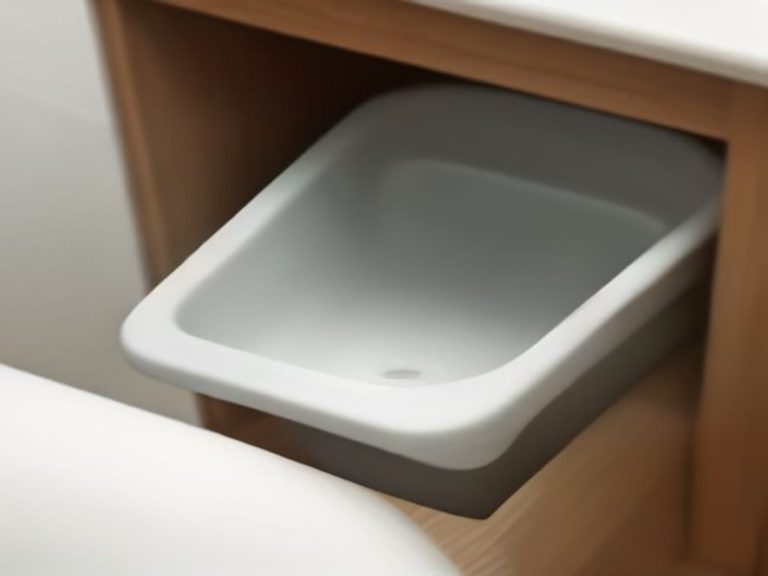
The drain pan is a shallow tray underneath the fridge that catches water from the defrost cycle. If it’s cracked, water will leak onto the floor. If your kitchen is very humid, the pan might also overflow because the water can’t evaporate quickly enough.
How to fix it:
- Check the pan: Pull the fridge out and inspect the drain pan for cracks.
- Check its position: Ensure the pan is sitting correctly in its designated spot.
- Reduce humidity: If humidity is the cause, using a dehumidifier in your kitchen can help.
If the pan is cracked, you’ll need to order a replacement part from the manufacturer. This is usually a simple fix.
Water Inside the Refrigerator
Sometimes, you might notice water pooling inside the fridge, often under the crisper drawers. This is usually caused by a blocked internal drain channel on the rear wall of the refrigerator compartment.
How to fix it:
- Locate the V-shaped channel: This channel is on the rear wall of the fridge. It can become clogged with food residue and debris.
- Clean the channel: Use warm water to flush out any buildup and ensure water can flow freely.
This often points back to a blocked defrost drain or food blocking the airflow, so the first fixes we mentioned will usually solve this too.
Step-by-Step Fix Guide for a Leaking Refrigerator
- Identify the leak’s origin: Is the water at the front, back, bottom center, or inside the fridge? This will tell you the most likely cause.
- Start with the most common fix: If the water is at the front or inside, check and clear the defrost drain.
- Check the water line: If the water is at the back, inspect the supply line and connections for damage or looseness.
- Inspect the drain pan: Pull the fridge out and check the drain pan for cracks or overflow.
- Level your fridge: Use a level on top of the refrigerator and adjust the legs to make sure it’s slightly tilted backward so water can drain properly.
- Prevent future clogs: To keep the defrost drain clear, flush it with the baking soda solution once or twice a year.
Comparison Table: Where’s the Water and What’s the Fix?
| Location of Leak | Most Likely Cause | Difficulty of Fix | Cost |
|---|---|---|---|
| Front of Refrigerator | Clogged or frozen defrost drain | Easy (DIY) | Minimal (just baking soda and water) |
| Back of Refrigerator | Cracked or loose water supply line | Moderate (DIY or Pro) | Cost of new line or fitting |
| Bottom Center | Cracked or overflowing drain pan | Easy (DIY) | Cost of replacement pan |
| Inside the Fridge | Blocked internal drain channel | Easy (DIY) | Minimal (just water and cleaning) |
When to Call a Professional
While many leaks are easy to fix, some issues require a trained technician. Call a professional if:
- You’ve cleared the drain and the leak persists
- The defrost drain keeps freezing over, suggesting a faulty defrost heater or thermostat
- You find damage to internal components behind panels
- There is a large amount of water or a sudden flood, which could indicate a serious problem
Attempting to dismantle parts yourself can be unsafe and may void your warranty.
Frequently Asked Questions
Why is there water on the floor in front of my refrigerator once or twice a day?
This is the classic symptom of a clogged defrost drain. During the automatic defrost cycle, water backs up and overflows onto the floor instead of draining into the pan.
How do I clear a clogged refrigerator defrost drain?
Flush the drain hole, usually located on the back wall of the fridge or freezer, with a solution of baking soda and hot tap water using a turkey baster. You can also use a drinking straw to gently clear the blockage.
Can a tilted refrigerator cause a water leak?
Yes! If your refrigerator is not level and is tilting forward, the defrost water won’t flow properly to the drain and will instead leak out the front door.
My fridge is leaking from the back—what should I check?
If the leak is from the back, check the water supply line and its connections for cracks, damage, or looseness. Also, ensure the drain pan underneath isn’t overflowing.
Is it safe to fix a leaking refrigerator myself?
You can safely perform basic fixes like clearing a drain, leveling the fridge, or checking the water line. Never attempt to access internal electrical or sealed system components yourself—this can be dangerous and should be left to a professional.
How can I prevent my refrigerator from leaking in the future?
Regular maintenance is key. Keep the drain hole clear by flushing it with a baking soda solution once or twice a year, avoid blocking the back wall with food, and check the water line periodically for signs of wear.
A puddle under your refrigerator is almost always a fixable problem. Start by identifying where the water is coming from, then try the simple solutions. In most cases, a good cleaning of the defrost drain is all it takes to get your kitchen floor dry again.
Which kitchen problem do you want solved next? Share your thoughts in the comments.
Trusted appliance repair resources for refrigerator troubleshooting and maintenance: