Why Does My Kitchen Floor Stay Sticky After Mopping? Causes, Fixes & Cleaning Guide
Why Does My Kitchen Floor Stay Sticky After Mopping? Causes, Fixes & Cleaning Guide
You mop the floor until it gleams — then you walk across it and your socks stick to the tiles like glue. What went wrong?
It’s one of the most confusing kitchen cleaning problems. You use more soap, scrub harder, and mop again. But the sticky film won’t go away. Sometimes it feels worse than before you started. The truth is, a sticky kitchen floor after mopping is usually caused by residue — not dirt. Your cleaning products, your mop, and even your water are leaving something behind. In this guide, you’ll learn exactly why this happens, the best way to fix it, and the kitchen maintenance habits that keep your floors clean and residue-free.
TL;DR
Your kitchen floor stays sticky after mopping because of soap residue, dirty mop water, too much cleaner, or a dirty mop head. The fix: rinse with clean water, use the right amount of cleaner, wash your mop, and dry the floor completely. Regular kitchen cleaning with proper tools prevents sticky buildup.
Key Takeaways
- Sticky floors after mopping are usually caused by leftover soap or cleaner residue.
- Using too much product, dirty water, or a dirty mop head makes it worse.
- Hard water minerals can leave a sticky film on tile and vinyl.
- The fix is a clean-water rinse and a fresh, clean mop.
- Different floor types need different cleaning methods.
- Always unplug appliances before cleaning or repairing them — safety first, especially near the floor.
The Real Reasons Your Kitchen Floor Stays Sticky (And How to Fix It)
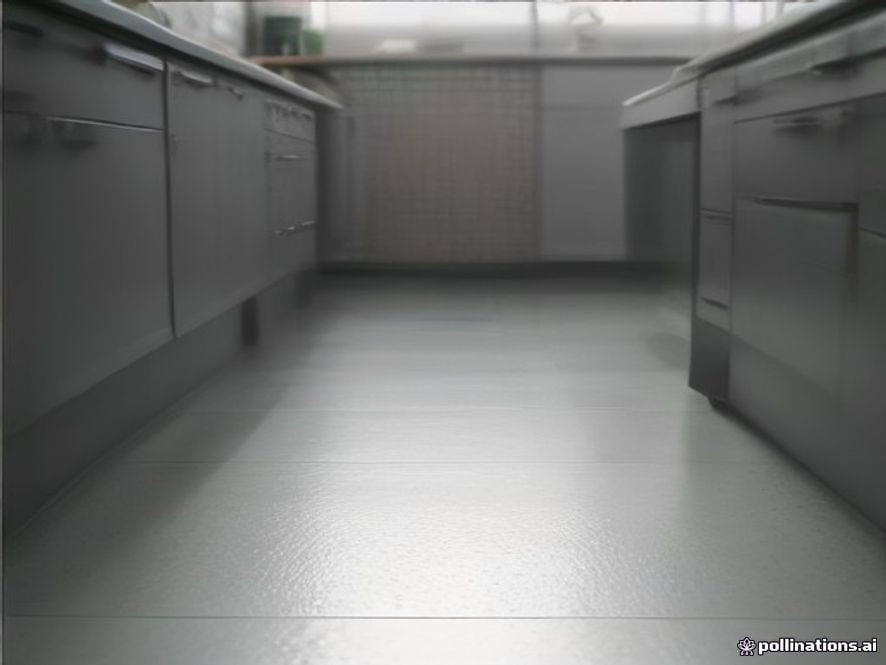
A sticky floor isn’t dirty — it’s coated. Every time you mop, you leave a thin layer of whatever is in your bucket. If that layer contains soap, oil, or minerals, it stays behind after the water dries. And because kitchen floors take a lot of foot traffic and food spills, that residue builds up fast.
The problem gets worse over time. Each mop session adds another layer. Eventually, the floor feels tacky even when it looks clean. The good news? You can strip away the residue and start fresh.
“Most kitchen problems come from small maintenance habits that are often ignored.” — Home maintenance expert
Why Your Floor Feels Sticky: The Top 5 Causes
1. Too much cleaning product. More soap doesn’t mean cleaner floors. Most cleaners are concentrated. Using more than the label recommends leaves a sticky film that attracts dirt. Regular cleaning prevents grease buildup and bad odors — but only if you use the right amount of product.
2. Dirty mop water. If you mop with the same bucket of water for the whole kitchen, you’re just spreading dissolved sugar, grease, and food particles around. That sticky water dries on the floor and leaves residue.
3. A dirty or worn-out mop head. Mop heads hold onto grease, soap, and grime. If you don’t wash them regularly, they transfer that sticky mess back onto the floor. Old, matted mops are the worst offenders.
4. Hard water minerals. If your tap water has high mineral content, it can leave a cloudy, sticky film on tile, vinyl, and laminate. This is especially common in areas with hard water.
5. The wrong cleaner for your floor type. Some cleaners are designed for ceramic tile but leave residue on vinyl or laminate. Oil-based cleaners and wax products can also create a sticky surface on the wrong floor type.
Step-by-Step: How to Fix a Sticky Kitchen Floor
- Safety first. Always unplug appliances before cleaning or repairing them — including your refrigerator, oven, and any floor-level appliances.
- Clear the floor. Remove rugs, mats, chairs, and anything else on the floor. Sweep or vacuum thoroughly to remove loose crumbs and dust.
- Mix the right solution. Use only the amount of cleaner recommended on the label. For most floors, a few drops of mild dish soap in a bucket of warm water is enough.
- Use two buckets. One for cleaning solution, one for rinse water. This keeps dirty water from spreading residue.
- Mop in sections. Work in small areas so the floor doesn’t air-dry before you rinse. Rinse the mop often in the clean water bucket.
- Rinse with clean water. After mopping, go over the floor again with a mop dipped in plain warm water. This removes leftover soap and minerals.
- Dry the floor completely. Use a clean, dry microfiber mop or a soft towel. Don’t let the floor air-dry — that’s when residue becomes sticky.
- Deep clean stubborn residue. For heavy buildup, mix one cup of white vinegar with a gallon of warm water. Mop, then rinse with clean water. For tough spots, use a soft-bristle brush.
- Wash your mop head. After every use, rinse the mop head thoroughly and let it dry. Replace it every few months.
- Consider a floor steam mop. Steam mops use only water and heat to clean. They leave no residue and sanitize at the same time.
Comparison: Best Mopping Methods for a Residue-Free Kitchen Floor
| Method / Tool | Purpose | Effectiveness | Difficulty | Cost |
|---|---|---|---|---|
| Two-bucket method | Prevent dirty water residue | Very high | Easy | $5–$15 |
| Microfiber flat mop | Trap dust and residue | High | Easy | $15–$30 |
| Steam mop | Clean without chemicals | Very high | Easy | $40–$100 |
| White vinegar rinse | Remove soap and mineral film | High | Easy | $2–$5 |
| Soft-bristle brush | Scrub stubborn sticky spots | High | Moderate | $5–$10 |
| Dirty string mop | Spreads residue and grease | Low | Easy | $0 (but ineffective) |
Effectiveness at Removing Sticky Residue (1–5 scale)
Frequently Asked Questions About Sticky Kitchen Floors
Why is my kitchen floor sticky even after mopping?
Soap residue, dirty mop water, or too much cleaner leaves a sticky film. Rinse with clean water and dry the floor completely to remove it.
What is the best way to remove sticky residue from a kitchen floor?
Mix one cup of white vinegar with a gallon of warm water. Mop, then rinse with clean water and dry thoroughly.
Does too much floor cleaner cause stickiness?
Yes. Using more than the recommended amount leaves a film that attracts dirt. Always follow the label directions.
How often should I wash my mop head?
Rinse it after every use and wash it with hot, soapy water weekly. Replace it every 2–3 months, or sooner if it smells.
Can hard water make my floor sticky?
Yes. Minerals in hard water leave a cloudy, sticky film. A vinegar rinse helps dissolve those minerals.
Is a steam mop better for sticky floors?
Yes. Steam mops use only water and heat, so they leave no residue. They also sanitize the floor without chemicals.
What should I do if my floor is sticky after using a new cleaner?
Stop using that cleaner. Rinse the floor thoroughly with clean water and dry it. The product may not be right for your floor type.
Which kitchen problem do you want solved next? Share your thoughts in the comments.
Trusted Resources for Kitchen Floor Cleaning and Maintenance:
- EPA – Safer Choice Cleaning Products
- Family Handyman – How to Clean Kitchen Floors
- This Old House – Cleaning Vinyl and Tile Floors
- U.S. Department of Energy – Kitchen Ventilation
Related kitchen care topics: kitchen cleaning, kitchen maintenance, floor care, appliance safety, and kitchen hygiene.