Smooth Cooking: The Best Guide to Kitchen Tools and Gadgets for Electric Stoves
That moment you’re trying to cook a delicate sauce, but your electric stove’s uneven heat burns one side of the pan while the other side barely simmers, can turn a promising recipe into a frustrating mess.
Electric stoves are a common feature in many homes, but they present unique challenges. They can be slow to heat up, slow to cool down, and prone to hot spots. The good news is that the right cookware and tools can help you master your electric stove and cook with confidence. This guide will help you solve the problem of uneven heating and tricky cleanup by showing you the best way to choose tools and gadgets for electric stoves—saving you from burnt food, scratched cooktops, and kitchen frustration.
TL;DR
- The right pan material makes all the difference: Stainless steel, carbon steel, and high-quality non-stick pans with flat, thick bottoms distribute heat evenly on electric stoves. Avoid rough materials like unfinished cast iron on glass tops, as they can scratch the surface.
- Flat bottoms are essential: A pan that sits flush with your burner ensures efficient heat transfer. Warped pans create hot spots and uneven cooking.
- Keep your stovetop clean: Coil burner covers catch drips and make cleaning easy. A stovetop cover can protect a glass cooktop from scratches and expand your counter space.
- Don’t forget the heat diffuser: This simple plate can save your delicate sauces and soups from scorching on a powerful or uneven burner.
The Best Cookware Materials for Electric Stoves
Choosing the right cookware is the key to a good experience with an electric stove. Here’s a breakdown of the best options.
Stainless Steel with a Thick, Bonded Base
Stainless steel is a top choice for electric stoves because it is durable, non-reactive, and responds relatively quickly to temperature changes. The key feature to look for is a thick, bonded base, often made of aluminum or copper, sandwiched between layers of stainless steel. This multi-ply construction ensures even heat distribution and helps prevent hot spots. Many high-quality sets are compatible with all stove types, including induction, electric, and gas.
Carbon Steel
Carbon steel is a favorite among professional chefs for its excellent heat control, quick response time, and superior heat retention. Once seasoned, it offers a natural non-stick surface. Like stainless steel, a smooth exterior reduces the risk of scratching a glass-topped stove. A flat-bottomed carbon steel wok is a versatile option for electric stoves.
Ceramic and Non-Stick
High-quality non-stick cookware with a ceramic coating works well on electric stoves, especially for delicate foods like eggs and fish. Some ceramic and non-stick sets feature a multi-ply base for even heating. Look for pans that are free from PTFE, PFOA, and PFAS (often called ‘forever chemicals’).
Enameled Cast Iron
Cast iron is prized for its incredible heat retention, making it great for slow cooking and frying. However, the rough surface of unfinished cast iron can scratch a glass cooktop. The solution is to use enameled cast iron, which has a smooth, non-reactive finish that glides safely over the stovetop.
Cookware to Avoid
- Unfinished Cast Iron: As mentioned, the rough bottom is a hazard for glass cooktops.
- Warped Pans: A pan that doesn’t sit flat on the burner will create hot spots and cook unevenly.
- Thin, Cheap Pans: They often heat unevenly and can warp, exacerbating the challenges of an electric stove.
Helpful Gadgets for Your Electric Stove
Beyond the pots and pans, a few clever gadgets can make cooking on an electric stove easier and keep your kitchen cleaner.
Electric Stove Burner Covers
If you have a coil-top electric stove, these disposable aluminum foil liners are a must-have. They fit under the burners and catch any food drips or grease, protecting your stove from stains and making cleanup a breeze. They are a great grease protector when cooking messy foods like fried chicken or pasta sauce.
Glass Cooktop Protector
For glass-top stoves, a thick, heat-resistant cover made of rubber or silicone serves multiple purposes. It protects the delicate surface from scratches when you’re not cooking and can even be used as a prep area, expanding your limited counter space. Some can also serve as a dish-drying mat.
Heat Diffuser
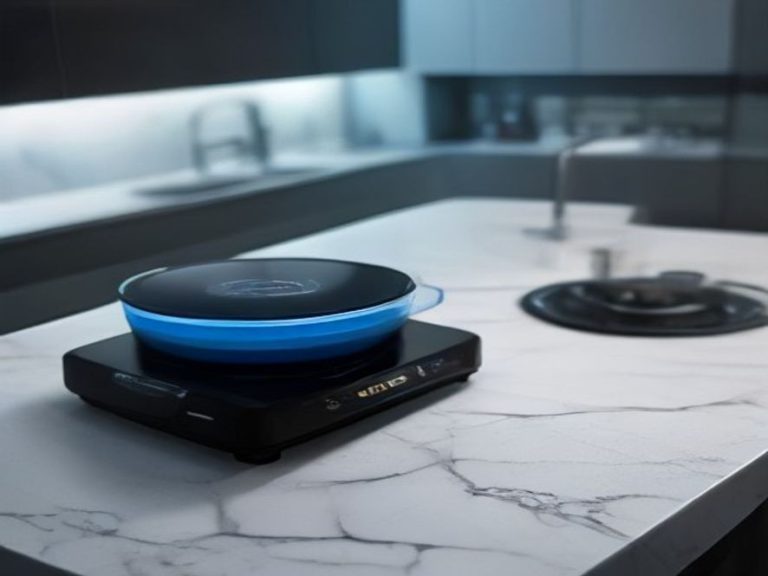
This simple tool can be a lifesaver for delicate cooking. A heat diffuser is a flat metal plate that sits between your burner and your cookware. It helps distribute heat more evenly and protects your pots from the direct heat of a powerful burner, making it ideal for simmering sauces, soups, or melting chocolate. It’s a versatile tool for both electric and gas hobs.
Comparison Table: Cookware for Electric Stoves
| Cookware Material | Pros for Electric Stoves | Cons for Electric Stoves | Best For |
|---|---|---|---|
| Stainless Steel | Even heating with multi-ply base, durable, non-reactive | Can be more expensive; food can stick if not preheated properly | All-purpose cooking, searing, sautéing |
| Carbon Steel | Excellent heat control, responsive, naturally non-stick when seasoned | Requires seasoning, can be heavy | High-heat searing, stir-frying, eggs |
| Non-Stick (Ceramic) | Easy cleanup, great for delicate foods, PTFE-free options available | Not ideal for high-heat searing, coating can wear over time | Eggs, pancakes, fish, reheating |
| Enameled Cast Iron | Superior heat retention, smooth bottom safe for glass tops | Very heavy, can be expensive | Slow cooking, braising, stews |
| Unfinished Cast Iron | Excellent heat retention, durable | Can scratch glass cooktops, requires seasoning | Avoid on glass-top stoves |
“A sturdy, flat-bottomed non stick frying pan or pot works well on any kind of stovetop, and electric is no exception.”
FAQ: Solving Your Electric Stove Problems
Why does my food burn on my electric stove?
This is often due to “hot spots” caused by a warped pan, using a temperature that’s too high for your pan’s material, or not preheating the pan properly. Using a pan with a thick, flat bottom and choosing responsive materials like stainless steel or carbon steel can help.
What is the safest cookware for glass-top stoves?
Cookware with a smooth, flat bottom is safest. Stainless steel, carbon steel, and enameled cast iron are all excellent, scratch-resistant choices. Avoid rough materials like unfinished cast iron.
What are the best pans for electric stoves?
For electric stoves, look for stainless steel and carbon steel pans with thick, flat bottoms for even heat distribution. Non-stick pans with a sturdy base are also a great option.
What is a heat diffuser and do I need one?
A heat diffuser is a metal plate placed over your burner to spread heat evenly. It’s especially useful for simmering sauces, soups, and other delicate dishes that can burn easily. It is a great tool to have if you find your stove has “hot spots”.
How do I keep my electric stove clean?
For coil stoves, disposable burner covers are a great way to catch drips. For glass tops, a dedicated cooktop protector can prevent scratches and is easy to wipe down.
Can I use a wok on an electric stove?
Yes, but a traditional round-bottom wok is not suitable for a flat electric stovetop. You will need a flat-bottomed wok that can sit flush on the burner. Carbon steel is a popular material, but it can be heavy; be mindful of this when choosing one.
Which electric stove problem do you want solved next? Share your thoughts in the comments.
References
Essential Guide to Cooking on Electric Stoves: Expert-Recommended Cookware, Tools, and Gadgets