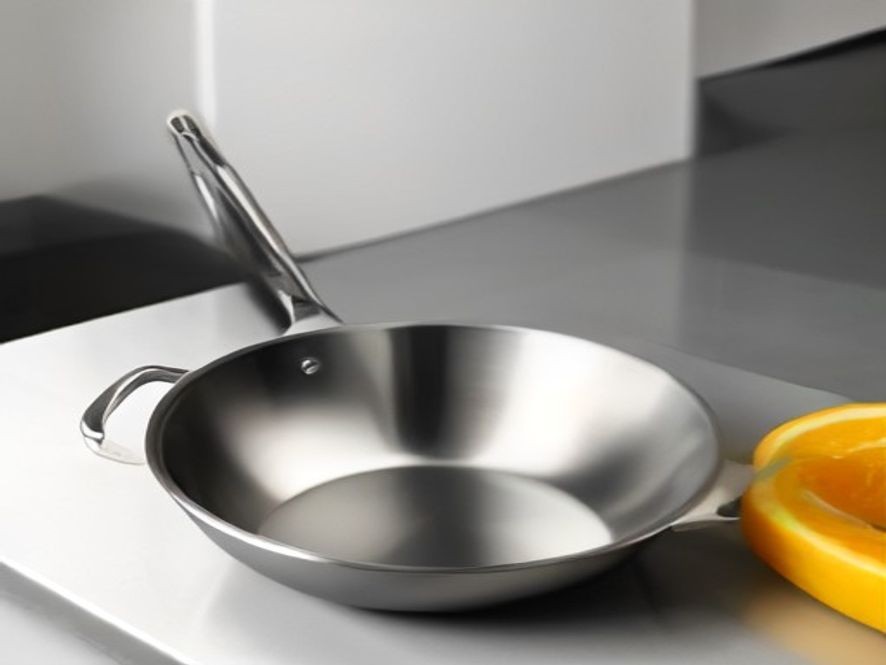
Kitchen Essentials for Stainless Steel Cookware: The Complete Toolkit
Cooking with stainless steel unlocks restaurant-quality results, but using the right tools separates a perfect pan sauce from a scratched-up, ruined surface.
The beauty of stainless steel cookware is its incredible durability. Unlike delicate nonstick pans, these workhorses can handle high heat, metal utensils, and years of daily use—as long as you follow a few simple rules . This guide covers the essential tools you need to cook, clean, and maintain your stainless steel investment.
TL;DR
Stainless steel cookware needs heat-resistant utensils that won’t scratch or melt under high temperatures. The best options are stainless steel tools themselves, wooden utensils for gentle tasks, and 100% silicone for scraping and flexibility. Avoid nylon at high heat, and never cut food directly in the pan. Essential accessories include pan scrapers, non-abrasive cleaning cloths, frypan protectors for storage, and pot holders for hot metal handles.
The Essential Utensils
Choosing the right utensils matters for two reasons: protecting your cookware and achieving better cooking results .
Safe Materials
Most experts agree: silicone, wood, and stainless steel are the best choices for stainless steel cookware . Here is why each material works.
Stainless Steel Utensils are a natural match. They are incredibly durable, heat-resistant, and aesthetically match your pans. You can use stainless steel spatulas, tongs, ladles, and whisks without worrying about melting or warping . However, be mindful that metal tools can cause small scratches on the pan’s surface, though these are purely cosmetic and do not affect performance. One important caveat is never to use a knife to cut food directly in the pan—even a dull knife can leave deep, permanent scratches .
Wooden Utensils are a classic, gentle choice. Wood will not scratch stainless steel and is surprisingly heat-resistant. Wooden spoons are ideal for stirring acidic ingredients and scraping fond from the bottom of the pan . The downside? They require more maintenance—hand-wash only and occasionally oil them to prevent cracking.
Silicone Utensils are perfect for scraping and folding. 100% food-grade silicone is heat-resistant up to 425–600°F, non-scratch, and dishwasher-safe. A silicone spatula can scrape up sauce, gravy, and reduction more effectively than any other tool . Avoid cheap silicone with fillers, which can melt or warp under high heat.
Must-Have Tools
Here are the specific tools you will reach for every day, according to experienced cooks .
A Slotted Turner (Fish Spatula) is essential. Its thin, flexible edge slides underneath browned food, making it easier to flip fish, meat, or vegetables without tearing. The slots allow oil and cooking juices to drain away when lifting .
Kitchen Tongs offer precision control for turning steak, chicken, or vegetables. Look for locking handles for easy storage and longer handles to keep your hands away from heat .
A Cooking Spoon or Scraping Spoon builds flavour. A wooden or metal spoon is essential for stirring sauces, sautéing, and scraping the caramelised bits (fond) off the bottom of the pan—the foundation of a great pan sauce. A sturdy scraping spoon with a firm edge can gently release those browned bits without damaging the cookware .
A Whisk is indispensable. A metal whisk is perfect for making pan sauces, emulsifying dressings, or beating eggs without worrying about heat damage.
The Essential Accessories
Pan Protectors are a simple but valuable investment. Felt or fabric frypan protectors sit between stacked pans in your cupboards. While stainless steel is durable, these protectors help minimise cosmetic scratching and keep your cookware organised .
Pot Holders are a necessity. Many stainless steel pans have metal handles that become very hot during cooking. A good pan holder or mitt provides insulation and protects your hands when lifting or moving cookware .
The Cleaning Kit
Proper cleaning is essential to keep stainless steel looking shiny and new. While standard dish soap works, you may need a specialised system for stubborn stains.
A complete stainless steel care kit typically includes a dishwashing brush, copper sponges, and a cleaning powder or agent. Copper sponges are effective at loosening burnt-on food but are not as harsh as steel wool, which can leave scratches. The cleaning agent polishes the surface, removing limescale, discolouration, and oil stains . Regular use can bring old, cloudy pans back to a like-new shine.
What to Avoid
Nylon Utensils at High Heat: Nylon is a type of plastic that will melt if left in a hot pan. Use them deliberately but do not leave them unattended in the pan .
Cutting in the Pan: A knife blade can leave deep, permanent scratches. Always transfer food to a cutting board before slicing .
Steel Wool: Heavy-duty steel wool can scratch the surface. Stick to softer copper or non-abrasive scrubbing pads .
Frequently Asked Questions
What utensils are best for stainless steel cookware?
You can safely use stainless steel, wood, or 100% silicone utensils. All three are heat-resistant and gentle enough for the surface .
Can I use metal utensils on stainless steel pans?
Yes. Stainless steel utensils are perfectly safe and are actually recommended for their durability, as long as you are not sawing into the surface .
How do I clean burnt food off a stainless steel pan?
Use a non-abrasive copper scrubber and a specialised stainless steel cleaning powder to remove burnt-on food without scratching the surface .
Is stainless steel cookware non-toxic?
Yes. It is considered a safe, non-toxic alternative to non-stick pans with Teflon coatings .
Stainless Steel Cookware Care and Resources:
- Made In: Best Utensils for Stainless Steel Cookware
- Kitchen Warehouse: Utensils for Stainless Steel Guide
- de Buyer: Craft Culinary Excellence Guide
What is your go-to utensil for your stainless steel pans? Share your experience in the comments—I would love to hear what tools you rely on.