The Best Way to Cook Healthy Meals at Home: A Complete Guide to Kitchen Essentials That Actually Help
You want to eat healthier, but between the time it takes to prep vegetables and the temptation of takeout, the kitchen can feel like an obstacle instead of an ally.
This is a common struggle. Dietitians and nutritionists agree that the biggest barrier to healthy home cooking is often the prep work—the chopping, the planning, the cleanup. But the right tools can make healthy eating feel like less of a chore and more like a routine you actually enjoy . This guide covers the kitchen essentials that health experts actually use to simplify nutritious meal prep, from budget-friendly gadgets to long-term investments.
TL;DR: This guide covers kitchen essentials for healthy cooking, including tools that speed up prep work (like pull choppers and food processors), appliances that reduce oil usage (like air fryers), and items that help with meal prep and storage (like vacuum sealers and glass containers). It highlights expert-recommended, non-toxic options and practical tools that make healthy eating easier.
Key Takeaways
- Prep Tools Save Time: A pull chopper or food processor removes the friction of chopping vegetables, a major barrier to cooking healthy meals .
- Air Fryers Reduce Oil: Air fryers can crisp food with up to 90% less oil than deep frying, making them a favorite among nutritionists .
- Meal Prep is Key: A vacuum sealer allows you to cook grains and proteins in bulk, portion them, and freeze them for quick, healthy meals .
- Non-Toxic Materials Matter: Swap plastic cutting boards, black plastic utensils, and scratched nonstick pans for safer alternatives like bamboo, cast iron, and silicone .
- Healthy Fats are Important: Use glass olive oil sprayers to control portion sizes without sacrificing the health benefits of extra virgin olive oil .
The Real Causes Behind Healthy Cooking Struggles and How to Fix It
Dietitian Susie Burrell notes that the time-consuming labour of chopping fresh ingredients often deters people from cooking healthy meals . When you are tired after a long day, reaching for a bag of chips or ordering takeout is much easier than pulling out a cutting board and knife. The solution is not more willpower—it is removing the friction. Tools that speed up prep and simplify cooking make healthy choices the easier choice.
“Most kitchen problems come from small maintenance habits that are often ignored.”
Prep Tools That Remove the Friction
The Pull Chopper
A manual pull chopper is one of the most recommended tools by dietitians. Susie Burrell swears by a $7.50 version from a discount store, calling it “fantastic for chopping garlic, onion, carrots—basically the base for so many recipes” . It has just three parts: a bowl, a chopping blade, and a lid with a cord you pull. No electricity, easy to clean, and it saves you minutes of prep time. This is one of those tools that genuinely increases how often you cook from scratch.
The Food Processor
The Good Housekeeping Institute calls a food processor the “quiet workhorse of healthy kitchens” . Nutritionist Kim Hawley explains, “When cooking from scratch, it’s the prep that takes all the time. By having a speedy solution, cooking fresh ingredients isn’t such a high hurdle” . Plus, cooking from scratch typically means less sugar, salt, and additives, with far greater control over your ingredients .
The Mandolin with a Safety Guard
Nutritionist Sarah Pound recommends a mandolin for quickly slicing vegetables for coleslaw, gratins, and salads—but stresses safety first. “I think a lot of people are scared of mandolins because it is frighteningly easy to slice your finger,” she says. Her solution: use the supplied guard or buy a $12 metal glove from a kitchen store. “Used properly, mandolins are game-changers,” she adds .
The Good All-Around Knife
You do not need a block of expensive knives. A single, sharp 8-inch chef’s knife is all you need for 90% of cutting tasks . The Mercer Culinary 8-inch Chef’s Knife is a favorite among Serious Eats editors and costs around $20—”better than blades ten times the price” . A reliable paring knife, like the Victorinox 3.25-inch, is also a worthy companion for smaller tasks like slicing fruit and avocados .
Appliances That Support Healthy Habits
Air Fryer
This is the appliance nutritionists consistently recommend. Leanne Ward, a nutritionist known as The Fitness Dietitian, recommends an air fryer with a glass basket to avoid any microplastic exposure . The benefits are clear: air fryers use little to no oil and can serve up crispy foods in less time than an oven . Sarah Pound says, “I absolutely love my air fryer. Somehow things taste better in them, the flavour is intensified, I think because of the caramelisation they achieve” . She uses it for roast chicken, frittatas, and even curries .
Vacuum Sealer
This is Consumer Reports’ surprising pick for healthy eating. A vacuum sealer allows you to cook healthy grains like brown rice in bulk, portion them, and freeze them for months . When dinner time comes, you can thaw a portion quickly instead of reaching for a less healthy alternative like white rice or refined pasta . The editor also uses it to portion out indulgent foods, sealing and freezing holiday cookies so they can be enjoyed in moderation throughout the year . It also allows you to buy proteins in bulk, marinate them, and freeze individual portions for quick weeknight meals .
Rice Cooker
A small, inexpensive rice cooker is another daily-use tool for healthy eating. Besides making perfect rice, you can cook other grains, steam vegetables, and even make entire one-pot meals . The Aroma 6-Cup rice cooker is a budget-friendly option at around $22 .
Immersion Blender
For blending soups directly in the pot or making quick sauces, an immersion blender saves time and reduces dishes. The Zwilling Xtend cordless hand blender is a recent favorite for its convenience and power .
Non-Toxic Swaps for a Healthier Kitchen
Recent research has raised concerns about microplastics and chemicals leaching from certain kitchen tools into food. Chefs are increasingly recommending affordable alternatives .
Ditch Plastic Cutting Boards
Chef Shawna Clark recommends a bamboo cutting board as a non-toxic alternative. “I love that it’s sturdy, naturally antibacterial, and doesn’t slide around while chopping,” she says . Bamboo cutting boards are affordable, often under $25.
Upgrade to Glass Storage Containers
Instead of scratched, pasta-sauce-stained plastic containers, switch to glass. They are non-toxic, durable, easy to clean, and many are safe for the oven, microwave, and freezer . The Amazon Basics glass container set is a well-priced option .
Ditch the Teflon
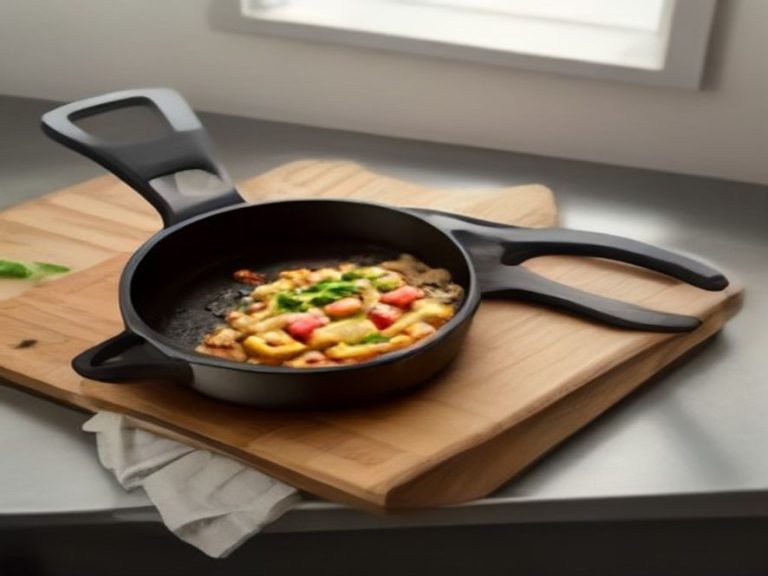
Chef Megan Keno recommends a Lodge cast iron skillet as an affordable non-toxic alternative to nonstick pans with synthetic coatings . “Not only are these single metal pans, and made in the USA, they are uncoated, alleviating concerns about coatings that will chip or wear down with time,” she says . Cast iron also becomes more nonstick with use and lasts a lifetime. At under $30, it is one of the best investments you can make .
Swap Plastic Utensils for Silicone
Chefs recommend replacing black plastic or scratched plastic utensils with silicone alternatives. The GIR silicone spatula is heat-resistant up to 550°F and dishwasher safe, and it will not leach toxins into your food .
Use Glass Sprayers for Olive Oil
Extra virgin olive oil is one of the healthiest fats to cook with, but dietitians recommend controlling portion sizes for weight management. Leanne Ward recommends decanting a bottle of olive oil into a glass sprayer to use less oil while ensuring even distribution. “Just make sure you buy one that is glass to avoid microplastics and preferably dark in colour to help the oil stay fresh,” she advises .
Comparison Table: Healthy Cooking Essentials
| Item | Purpose | Why Experts Recommend It | Cost |
|---|---|---|---|
| Pull Chopper | Chopping garlic, onion, carrots | Removes the friction of prep; simple and fast | ~$7.50 |
| Air Fryer | Crispy food with less oil | Uses up to 90% less oil; versatile and fast | $50–$200 |
| Vacuum Sealer | Bulk cooking and portioning | Extends food shelf life; prevents takeout | $30–$150 |
| Lodge Cast Iron Skillet | Non-toxic cooking | Chemical-free; naturally nonstick with use | ~$25 |
| Bamboo Cutting Board | Chopping without microplastics | Natural, sturdy, antibacterial | Under $25 |
| Glass Food Storage | Storing leftovers safely | Non-toxic, durable, dishwasher-safe | ~$20–$40 |
| Immersion Blender | Blending soups and sauces | Saves dishes, quick cleanup | $25–$70 |
| Instant-Read Thermometer | Checking meat doneness | Prevents over/undercooking; builds confidence | ~$15–$30 |
Chart: How Kitchen Tools Support Healthy Eating Habits
How Kitchen Tools Reduce Barriers to Healthy Cooking
FAQ Section
1. What is the best tool to make healthy cooking faster?
A pull chopper or food processor speeds up vegetable prep, which dietitians identify as a key barrier to cooking at home .
2. Are air fryers actually healthy?
Yes. Air fryers use up to 90% less oil than deep frying and can help you be more mindful about oil intake while still achieving crispy results .
3. What is the most important non-toxic swap?
Ditch plastic cutting boards for bamboo or wood, and avoid scratched nonstick pans . Glass storage containers and silicone utensils are also safer alternatives .
4. Is a vacuum sealer worth it for healthy eating?
Consumer Reports says yes. It allows you to bulk-cook healthy grains and proteins, portion them, and freeze them for quick meals, reducing the temptation to order takeout .
5. Do I need expensive knives to cook healthy?
No. The Mercer Culinary 8-inch Chef’s Knife is a professional favorite at around $20, and it outperforms knives that cost ten times as much .
6. What is the easiest way to use less oil?
Use a glass olive oil sprayer to evenly distribute a small amount of oil. Dietitians recommend this for weight management .
7. What small appliance should I buy first?
If you want one appliance for healthy cooking, start with an air fryer or a food processor. Both reduce the friction that makes healthy cooking feel like a chore.
References
Trusted Sources for Healthy Kitchen Essentials:
- Brisbane Times – Dietitian-Recommended Kitchen Gadget
- Consumer Reports – How a Vacuum Sealer Helps Healthy Eating
- Food & Wine – Chef-Recommended Non-Toxic Kitchen Tools
- Good Housekeeping – Appliances for Healthy Eating
- Everyday Health – RD-Approved Products for Healthy Cooking
- Serious Eats – Under $40 Kitchen Essentials
Which healthy cooking problem do you want solved next? Share your thoughts in the comments.