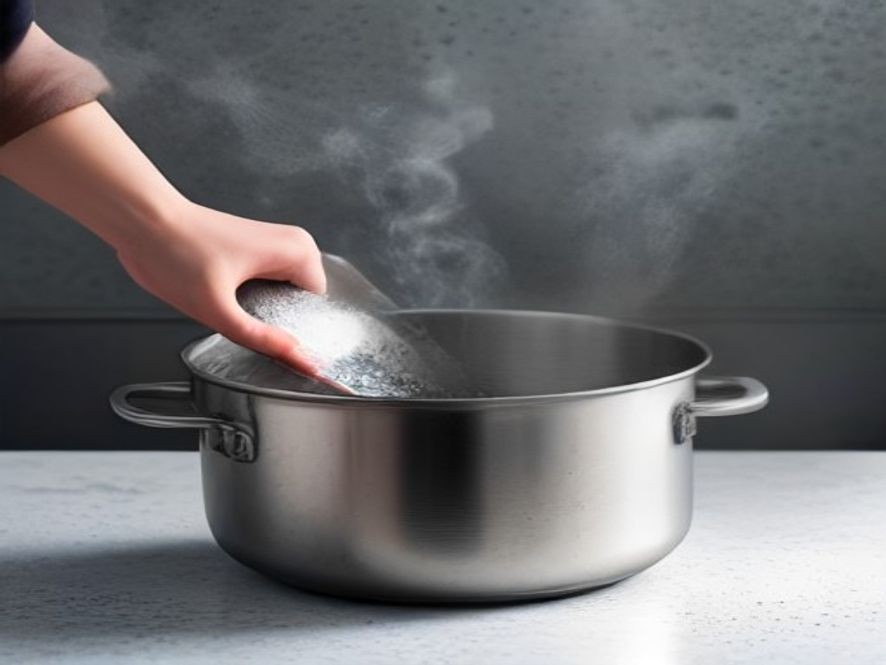
How to Remove Burnt Food From Cooking Utensils: Easy Solutions That Actually Work
That black, crusty mess at the bottom of your favorite pot is frustrating—but fixing it is easier than you think, and you probably already have everything you need.
You’re making dinner, get distracted for just a moment, and suddenly you smell it. That unmistakable odor of burning food. You look at your pan, and there it is—a black, crusty layer fused to the surface. You start scrubbing, but nothing budges. Don’t throw that pan away. This guide will show you the best ways to remove burnt food from cooking utensils using simple ingredients from your kitchen.
TL;DR (Too Long; Didn’t Read)
- Main Cause: Food burns and sticks when cooked at too high a heat or left unattended. The sugars and proteins carbonize, bonding to the pan surface.
- Best Fixes: Baking soda and vinegar create a fizzing action that lifts burnt food. Lemon juice cuts through grease with natural acidity. The boiling water method loosens residue without harsh chemicals.
- Important Rule: Never use steel wool or metal scouring pads on non-stick, ceramic, or cast iron pans—they’ll ruin the surface .
- Easy Fix: Most burnt pans can be restored with methods that take 10-30 minutes using common kitchen ingredients.
Key Takeaways
- Act Fast: The sooner you clean a burnt pan, the easier it will be. Let it cool to room temperature, then start cleaning .
- Match the Method to the Material: Non-stick and cast iron need gentle handling—no harsh scrubbing or long soaking .
- Kitchen Staples Work Best: Baking soda, vinegar, lemons, and even sugar cubes can remove burnt food without harsh chemicals .
- Soaking is Your Friend: Warm, soapy water loosens burnt bits before you even start scrubbing .
- Be Patient: The chemical reactions that break down burnt food take time. Let your cleaning mixture sit for best results .
The Real Causes Behind Burnt Food and How to Clean It
When food burns, the sugars and proteins in it break down and carbonize. This black, crusty layer bonds to the pan surface in a way that water alone can’t remove. But the right kitchen staples can break those bonds.
Why Food Sticks and Burns
The Sugar and Protein Effect: Foods high in sugar (like tomato sauce or onions) or protein (like meat or eggs) are the worst offenders. When exposed to high heat, they caramelize then burn, creating a sticky, hard-to-remove layer .
Heat Shock: Placing a cold pan on high heat or crowding a pan can cause uneven heating. Food burns in spots, while other areas stay undercooked .
Oil Breakdown: Cooking oils have a smoke point. When they exceed that temperature, they break down and polymerize, forming a sticky film that traps burnt food particles .
Step-by-Step Guide: How to Remove Burnt Food
Here are the most effective methods, from simplest to most powerful.
Method 1: The Warm Soapy Water Soak (Start Here)
Step 1: Fill your pot or pan with warm (not hot) water and add a few drops of dish soap.
Step 2: Let it soak for 15-30 minutes. For stubborn burnt bits, leave it overnight .
Step 3: Use a non-abrasive sponge or nylon scrubber to gently scrub away loosened food.
Step 4: Rinse and repeat if necessary.
Note: Never soak cast iron pans for long periods—they can rust .
Method 2: Baking Soda and Vinegar (The Power Combo)
This method creates a fizzing reaction that lifts burnt food off the pan surface .
Step 1: Fill the burnt pan with equal parts water and white vinegar.
Step 2: Bring the mixture to a boil on the stove.
Step 3: Once boiling, remove from heat and add 2 tablespoons of baking soda. It will fizz vigorously.
Step 4: Let it sit for 15-20 minutes while the fizzing action works on the burnt food .
Step 5: Dump out the mixture and scrub with a soft sponge. Most burnt bits should come right off.
Safety Tip: The fizzing can be aggressive. Stand back slightly when adding baking soda .
Method 3: The Baking Soda Paste (For Thick Burnt Layers)
For really stubborn burnt-on food, this paste method works wonders .
Step 1: Make a paste using 3 parts baking soda and 1 part water. It should be thick enough to spread .
Step 2: Spread a thick layer over the burnt areas. Let it sit for 3 hours or even overnight .
Step 3: Scrub with a sponge and warm water. The burnt food should lift away.
Step 4: Rinse thoroughly and dry.
Method 4: The Lemon Boil Method (Natural and Fresh-Smelling)
Lemons are naturally acidic and cut through burnt grease and stains .
Step 1: Cut 2-3 lemons into thin slices. Place them in the pan and add enough water to cover the burnt area.
Step 2: Bring to a boil and let it boil for 5-10 minutes .
Step 3: Turn off the heat and let the pan sit. You’ll see burnt debris floating in the water.
Step 4: Dump out the mixture, remove the lemons, and scrub gently.
Method 5: The Boiling Water Only Trick (For Light Burns)
Sometimes, water alone is enough .
Step 1: Fill the pan with tap water and heat on medium-high until boiling.
Step 2: Let it boil for a few minutes as the steam loosens stuck food.
Step 3: Dump out the water and wipe the pan clean with a cloth.
Note: This method is especially good for cast iron pans since it avoids harsh chemicals .
Method 6: The Sugar Cube Trick (Quick and Surprising)
Step 1: Wet the burnt area of the pan with a little water.
Step 2: Grab a sugar cube and use it to scrub the burnt area in a circular motion. The rough, granular texture attacks the burnt food but won’t scratch the pan .
Step 3: Rinse as the cube disintegrates. Repeat as needed.
Always do a patch test on non-stick pans to ensure the sugar cubes don’t damage the coating .
Special Care by Pan Material
| Pan Material | What Works | What to Avoid |
|---|---|---|
| Non-Stick | Warm soapy soak, baking soda paste, sugar cubes | Steel wool, metal scrapers, harsh abrasives |
| Cast Iron | Boiling water, salt scrub | Long soaks, harsh dish soap, vinegar |
| Stainless Steel | Baking soda, vinegar, lemon boil | Steel wool can scratch |
| Copper | Vinegar and salt, ketchup | Harsh chemical cleaners |
How to Prevent Burnt Food in the First Place
Step 1: Use the right heat. Medium is often enough for most cooking.
Step 2: Don’t crowd the pan. Overcrowding drops the temperature and causes uneven cooking.
Step 3: Keep an eye on your food. A timer can be your best friend.
Step 4: Clean your pans right after use—the longer burnt food sits, the harder it is to remove .
Frequently Asked Questions (FAQ)
How do you get burnt food off a stainless steel pan?
The baking soda and vinegar boil method works great for stainless steel. You can also make a baking soda paste and leave it overnight for stubborn stains .
Can you use steel wool on burnt pans?
Never use steel wool on non-stick, ceramic, or cast iron pans—it will scratch and ruin the surface. Stainless steel is more forgiving, but even then, a soft sponge is better .
How do you clean a burnt non-stick pan?
Use warm, soapy water and a soft sponge. For stubborn burns, try the baking soda paste method and let it sit, but never scrub with metal or harsh abrasives .
What is the fastest way to clean a burnt pan?
The sugar cube method takes just a few minutes. Alternatively, boiling vinegar and water for 10 minutes often works quickly .
Can burnt pans be saved?
Yes! Most burnt pans can be fully restored with the right techniques and a little patience .
References
Expert Advice on Cleaning Burnt Cookware
- Circulon: How to Clean Burnt Cookware
- Tasting Table: Sugar Cubes for Cleaning Burnt Pans
- Chowhound: Restoring Burnt Cookware with Boiling Water
- StainWired: Cleaning Burnt Non-Stick Pans Safely
- HerZindagi: Natural Methods for Burnt Stains
Which kitchen problem do you want solved next? Share your thoughts in the comments.