How to Deep Clean a Pantry After a Food Spill: The Ultimate Guide to Restoring Your Food Storage Space
That sticky puddle of syrup, the bag of flour that burst, or the mystery sauce that leaked all over the shelf—food spills in the pantry happen to everyone, and they can quickly attract pests and create unpleasant odors.
TL;DR
After a food spill, remove everything from your pantry to assess the full extent of the mess . For sticky, sugar-based spills, soften the residue with a warm damp cloth before scrubbing to avoid smearing it around . Use warm soapy water for general cleaning and dry shelves completely before restocking to prevent mold . For oil spills, absorb the liquid first with flour, cornstarch, or baking soda before wiping . Check all containers for damage or pests before returning them to the pantry .
Key Takeaways
- Empty Everything First: You can’t properly clean behind and under items—remove all food from the pantry before you start .
- Match Cleaner to Spill Type: Sugar-based spills soften with warm water; oil spills absorb best with flour or cornstarch .
- Don’t Scrub Dried Sugar Spills: Scrubbing dried syrup or honey too early smears the sticky mess across the shelf—soften it first with a warm damp cloth .
- Dry Completely: Moisture left on shelves can cause mold, warp particleboard, or damage shelf liners .
- Check for Pests: Look for webbing, caterpillars, or holes in packaging—these are signs of pantry moths or weevils .
Why Food Spills Can Become a Bigger Problem
A simple food spill might seem harmless, but it can quickly turn into a major headache if left untreated.
The Hidden Dangers
Pests: Crumbs and sticky residues attract ants, cockroaches, and rodents. Pantry moths and weevils are especially drawn to spilled flour, grains, and cereal .
Mold and Mildew: Moist spills that soak into shelves or get trapped under containers can lead to mold growth, which is both unsightly and a health hazard .
Long-Term Stains and Odors: Oil spills can soak into unsealed wood or laminate, leaving permanent stains. Syrup and honey spills that are simply wiped (not properly cleaned) can leave a tacky residue that traps dust .
“Most kitchen problems come from small maintenance habits that are often ignored.”
Step-by-Step: How to Deep Clean a Pantry After a Spill
Step 1: Remove Everything from the Pantry
This is the most important step. Don’t try to clean around items—you’ll miss spots, and grime always hides under containers .
- Place all items on a nearby counter, table, or towels on the floor .
- As you remove items, check expiration dates and discard anything that has gone bad .
- Inspect for pests: Look for webbing, small caterpillars, or holes in packaging, especially in flour, rice, and cereal boxes .
- Check for damaged packaging—if a bag has a tear, transfer the contents to an airtight container .
Step 2: Assess the Spill and Choose Your Cleaning Method
Different spills require different approaches.
For Syrup, Honey, Jam, or Soda (Sugar-Based Spills)
Sugar-based spills become hard and sticky when dry. Do not scrub them right away—this will smear the mess across the shelf .
- Soften the spill: Wet a microfiber cloth with warm water, wring it out so it’s damp (not dripping), and lay it over the sticky spot for a few minutes .
- Lift the residue: Use a plastic scraper, old credit card, or wooden spatula to gently lift softened sticky material .
- Wipe with soapy water: Mix a few drops of dish soap with warm water and wipe the area .
- Rinse with clean water: Wipe again with plain water to remove soap residue—leftover soap can attract dust .
- Dry thoroughly: Use a clean towel to dry the shelf completely .
“Fresh grease is easiest to remove right away with warm water before dust and grime have a chance to stick.”
For Oil Spills
Oil spills are tricky because paper towels often just spread the slick around .
- Absorb the oil: Sprinkle flour, cornstarch, or baking soda generously over the spill. Let it sit for a few minutes to absorb the oil .
- Sweep it up: Use a dustpan and brush to remove the oil-soaked powder .
- Wipe with soapy water: Clean the remaining residue with warm water and dish soap.
- Rinse and dry .
Which absorbent works best? Flour and cornstarch are very fine powders that absorb oil well, but you may need a vacuum for final cleanup. Salt and baking soda have larger granules and are easier to sweep up—just avoid using expensive gourmet salt for this task .
For General Dust and Crumbs
If there’s no major spill, a simpler approach works.
- Vacuum: Use a vacuum with a brush attachment to remove loose dust, crumbs, and debris from shelves and corners .
- Wipe with soapy water: Use a microfiber cloth dipped in warm water with a few drops of dish soap .
- Rinse and dry .
Step 3: Clean the Walls and Floor
- Walls: Wipe down the interior walls of the pantry with the same soapy solution .
- Floor: Sweep or vacuum the pantry floor, then mop with warm soapy water and dry completely before returning items .
Step 4: Wipe Down Pantry Items Before Returning
Before you put everything back, wipe down jars, containers, and boxes to remove dust and any sticky residue . This prevents recontamination of clean shelves.
Step 5: Reorganize and Prevent Future Spills
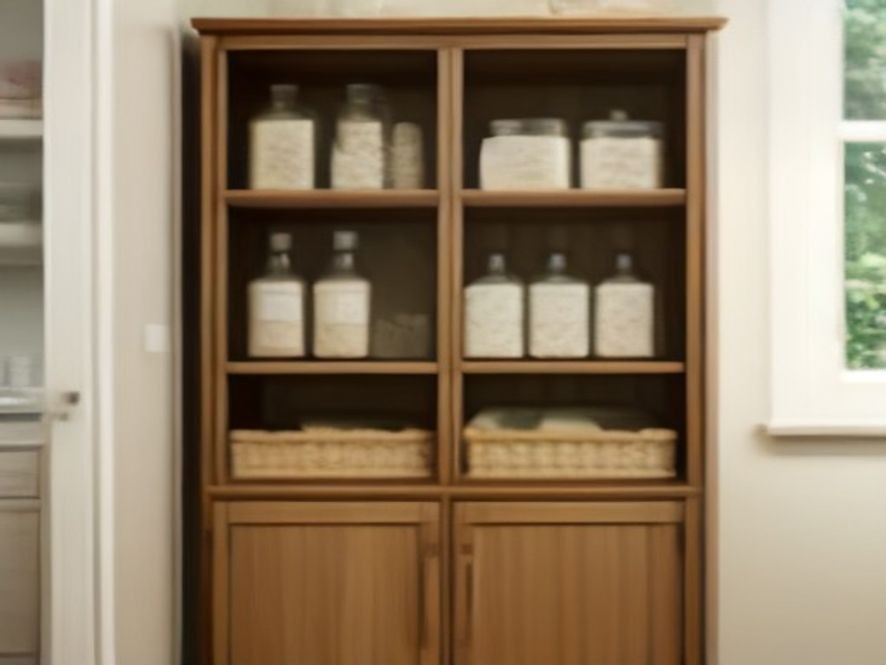
- Use shelf liners or bins: These make future spills much easier to clean and protect shelves from moisture damage .
- Group similar items: Place canned goods together, baking supplies together, and snacks together .
- Place older items in front: This encourages you to use them before they expire .
- Use airtight containers: Store flour, sugar, grains, and cereals in sealed containers to prevent pests .
Comparison Table: Cleaning Different Spill Types
| Spill Type | Best First Step | Cleaning Method | Pro Tip |
|---|---|---|---|
| Syrup, Honey, Jam | Soften with warm damp cloth | Warm soapy water, rinse, dry | Don’t scrub dry—you’ll smear the mess |
| Oil | Absorb with flour or cornstarch | Sweep up, then soapy water | Salt or baking soda also work well |
| Dry Crumbs/Dust | Vacuum with brush attachment | Wipe with soapy water, rinse, dry | Regular cleaning prevents buildup |
| Sticky Residue (unknown origin) | Scrape gently with plastic scraper | Damp cloth, warm water, repeat as needed | Patience matters—let chemistry work |
How to Keep Your Pantry Cleaner Longer
The best way to make deep cleaning easier is to prevent spills from getting out of control in the first place.
- Regular Maintenance: Give pantry shelves a quick wipe weekly or anytime you see a spill .
- Deep Clean Schedule: Clean your pantry thoroughly every 3–6 months, or more often if you cook frequently .
- Deodorize Naturally: Place an open box of baking soda or activated charcoal on a shelf to absorb lingering odors .
- Use Bins: Store messy items like flour, sugar, and syrup in bins with lids .
- Prompt Action: Address spills immediately—waiting makes them harder to clean .
FAQ Section
What’s the best way to remove sticky syrup residue from pantry shelves?
Soften the dried syrup with a warm damp cloth for a few minutes, then gently scrape it off with a plastic scraper. Wipe with warm soapy water, rinse, and dry completely .
How do I clean an oil spill on a wooden pantry shelf?
Absorb the oil with flour, cornstarch, or baking soda. Let it sit, sweep it up, then wipe with soapy water. Dry thoroughly to prevent the wood from warping .
How often should I deep clean my pantry?
Aim for a thorough clean every 3–6 months, with quick weekly maintenance wipe-downs . High-traffic pantries may need cleaning every 3 months .
How can I get rid of smells in my pantry after a spill?
Place an open container of baking soda or activated charcoal on a shelf and let it sit for a few days to absorb odors .
What do I do if I find pantry moths or weevils?
Discard all infested items immediately. Seal all dry goods like flour, nuts, and cereal in airtight containers. Consider cleaning more frequently and adding bay leaves to shelves as a deterrent .
Should I use bleach to clean pantry shelves?
No—bleach can be too harsh for food storage areas. Stick to warm water and mild dish soap, which is safe and effective for pantry cleaning .
Essential Resources for Kitchen Maintenance and Appliance Care:
- Martha Stewart: How to Clean Your Pantry
- Southern Living: Pantry Cleaning Schedule
- ENERGY STAR Refrigerator Guide
Which kitchen problem do you want solved next? Share your thoughts in the comments.