The Complete Guide to the Best Way to Remove Stubborn Kitchen Surface Stains Without Scrubbing Hard: Easy Solutions
That dark coffee ring on your countertop or the yellow grease stain on your backsplash can make your whole kitchen feel dirty, even though you’ve already scrubbed until your arm hurts.
You know the feeling. You’ve been scrubbing at that same stain for ten minutes, your elbow is sore, and the mark still won’t budge. It’s exhausting and frustrating. But here’s the secret that professional cleaners know: the best way to remove stubborn kitchen stains isn’t about elbow grease—it’s about letting the right cleaner do the hard work for you . This guide will show you how to remove even the toughest surface stains with minimal scrubbing, saving your energy and your surfaces.
TL;DR
- Let the cleaner sit: The key to no-scrub cleaning is dwell time. Give the product 5-15 minutes to break down the stain before you wipe .
- Match the stain to the solution: Different stains—grease, coffee, rust, or food dye—need different chemical approaches to dissolve effectively .
- Use a paste for stubborn spots: A thick paste of baking soda and water or hydrogen peroxide clings to the stain, working on it longer without drying out .
Key Takeaways
- Baking soda is your no-scrub secret weapon. Its mild alkalinity breaks down grease and stains without scratching surfaces .
- Hydrogen peroxide works wonders on organic stains. Coffee, tea, juice, and food coloring break down under its oxidizing power .
- Never mix cleaning products. Combining bleach with vinegar or ammonia creates toxic fumes .
- Always test a small area first. Some surfaces—especially natural stone—can be damaged by acidic or strong cleaners .
The Real Causes Behind Stubborn Stains and How to Fix Them Without Scrubbing
Understanding what you’re dealing with is the first step to removing it without effort. Stains happen when colored or greasy molecules bond with the surface of your countertops, backsplash, or sink. The key is to use a cleaner that breaks those bonds chemically, so you can simply wipe the stain away. Here’s how to tackle the most common kitchen stains with a no-scrub approach.
Why Scrubbing Hard Actually Makes Things Worse
Here’s a counterintuitive truth: aggressive scrubbing can make stains worse. When you scrub hard, you can grind the stain deeper into porous surfaces like grout or natural stone . You can also scratch delicate finishes like stainless steel or polished granite, creating tiny crevices where dirt and grime will collect even faster next time . The best way to remove a stain is to dissolve it from the top down, not grind it away.
Step-by-Step No-Scrub Fix Guide for Common Kitchen Stains
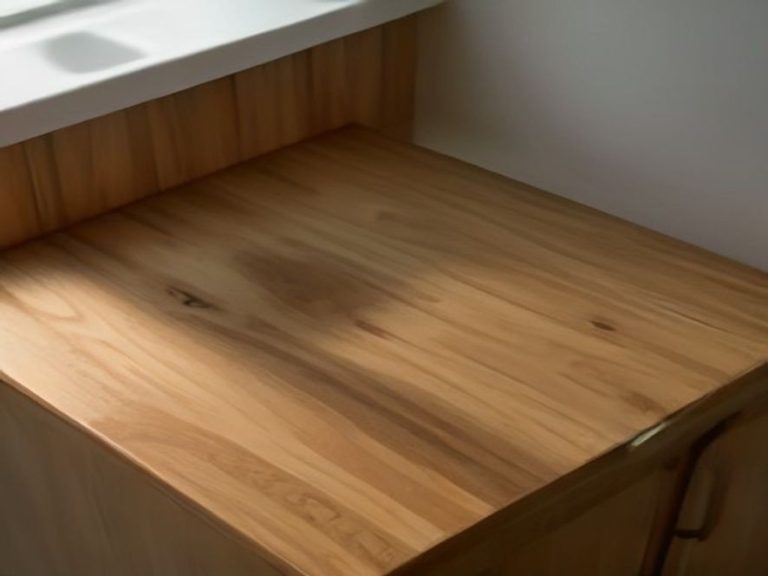
1. The Problem: Dark coffee or tea stains on your countertop.
- The Best Way to Fix It: Sprinkle a layer of baking soda over the stain. Pour a small amount of hydrogen peroxide on top—just enough to make a thick paste. Spread the paste over the stain, cover it with plastic wrap so it doesn’t dry out, and let it sit for 15-30 minutes . The hydrogen peroxide lifts the organic pigments, and the baking soda absorbs them. Wipe away with a soft cloth. No scrubbing needed .
- I just want to add that: “This paste works because the peroxide lifts organic pigments while the baking soda gently absorbs them from the surface” .
2. The Problem: Greasy, yellow stains on your backsplash or range hood.
- The Best Way to Fix It: Grease is the one stain where you might think you need to scrub, but you don’t. The key is using a strong enough degreaser and giving it time. Spray a commercial kitchen degreaser or a DIY mix of equal parts vinegar and dish soap onto the stain . Cover the area with plastic wrap to keep it from evaporating and let it sit for 10-15 minutes. The cleaner breaks down the fat molecules, and you can wipe away the yellow residue with a damp sponge .
- Safety reminder: Always ensure your kitchen is well-ventilated when using strong degreasers .
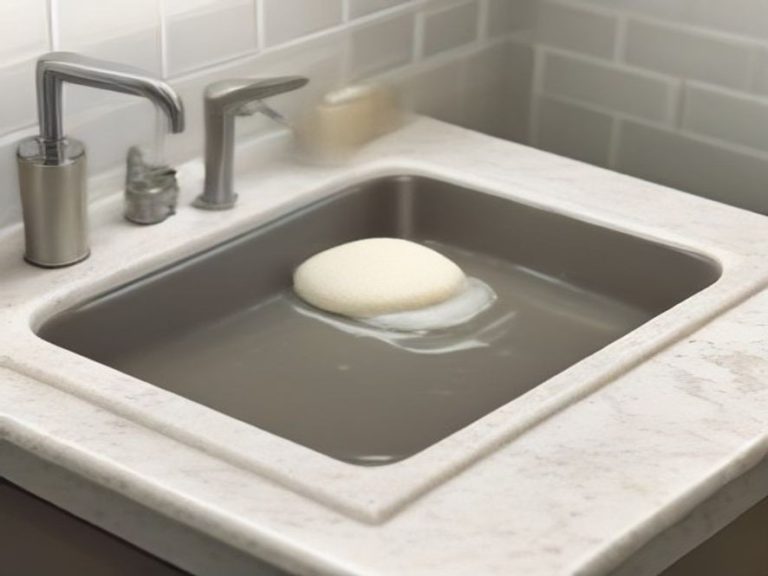
3. The Problem: Rust or mineral stains on your sink or faucet.
- The Best Way to Fix It: For rust rings, create a paste using cream of tartar and hydrogen peroxide or a few drops of lemon juice. Apply the paste and let it sit for 15-20 minutes . The mild acid dissolves the rust without any scrubbing. For hard water mineral deposits, wrap a paper towel soaked in white vinegar around the affected area and let it sit for an hour. The vinegar dissolves the calcium and lime, and you simply wipe it away .
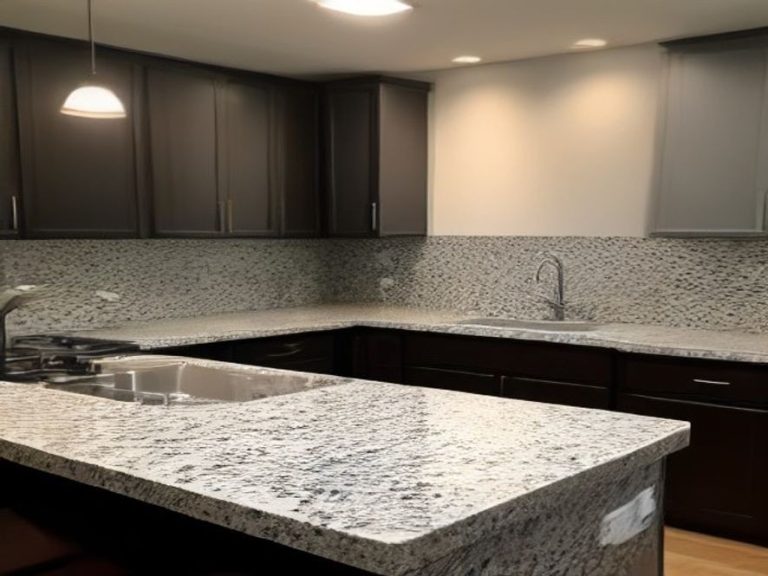
- Safety reminder: Acidic cleaners can damage natural stone. Never use vinegar or lemon juice on marble, travertine, or unsealed granite .
4. The Problem: Stuck-on food residue on your stovetop.
- The Best Way to Fix It: This might look like it needs elbow grease, but heat and time are your friends. For glass cooktops, spray with a cooktop cleaner and let it sit for 10 minutes to soften the baked-on food. For stubborn spots, a poultice of baking soda and water applied thickly and covered with plastic wrap can break down the food residue in 30 minutes . Wipe clean with a damp cloth.
- Safety reminder: Always let your stovetop cool completely before applying any cleaner .
Comparison Table: No-Scrub Stain Removal Methods
| Stain Type | Best No-Scrub Method | Dwell Time | Effectiveness | Cost |
|---|---|---|---|---|
| Coffee / Tea | Baking soda + hydrogen peroxide paste | 15-30 minutes | High – Lifts organic pigments | Very Low |
| Grease / Oil | Degreaser spray (commercial or vinegar + soap) | 10-15 minutes | High – Dissolves fat molecules | Low-Medium |
| Rust / Minerals | White vinegar (or cream of tartar + peroxide) | 15-60 minutes | High – Acid dissolves deposits | Very Low |
| Food Dye (Tomato, Berry) | Lemon juice + baking soda paste | 20-30 minutes | Good – Lifts color without bleaching | Very Low |
| Hard Water Spots | Vinegar-soaked paper towel wrap | 30-60 minutes | Excellent – Dissolves calcium | Very Low |
Chart: Effectiveness of No-Scrub Methods vs. Traditional Scrubbing
The chart below shows why letting a cleaner sit is far more effective than scrubbing hard for most stains.
FAQs: Quick Solutions for Stubborn Kitchen Stains
What is the best way to remove stains without scrubbing?
The most effective method is to apply the right cleaner and give it dwell time—usually 10-30 minutes—so it can chemically break down the stain before you wipe it away .
Can baking soda remove coffee stains?
Yes. A paste of baking soda and hydrogen peroxide is highly effective for coffee and tea stains on most non-porous surfaces .
Is vinegar safe for all kitchen surfaces?
No. Vinegar is acidic and can damage natural stone (marble, granite, travertine) and dull the finish on some stainless steel .
How do I remove greasy stains without scrubbing?
Use a dedicated degreaser or a vinegar-and-dish-soap mix. Spray it on, let it sit for 10-15 minutes, and wipe clean .
Does hydrogen peroxide bleach my countertops?
Hydrogen peroxide is a mild bleach that can lighten organic stains. It is safe for most non-porous surfaces but always test a small hidden area first .
What should I never mix when cleaning?
Never mix bleach with vinegar (creates toxic chlorine gas) or bleach with ammonia (creates toxic chloramine gas) .
Which kitchen problem do you want solved next? Share your thoughts in the comments.
References and Further Reading on Kitchen Surface Stain Removal: