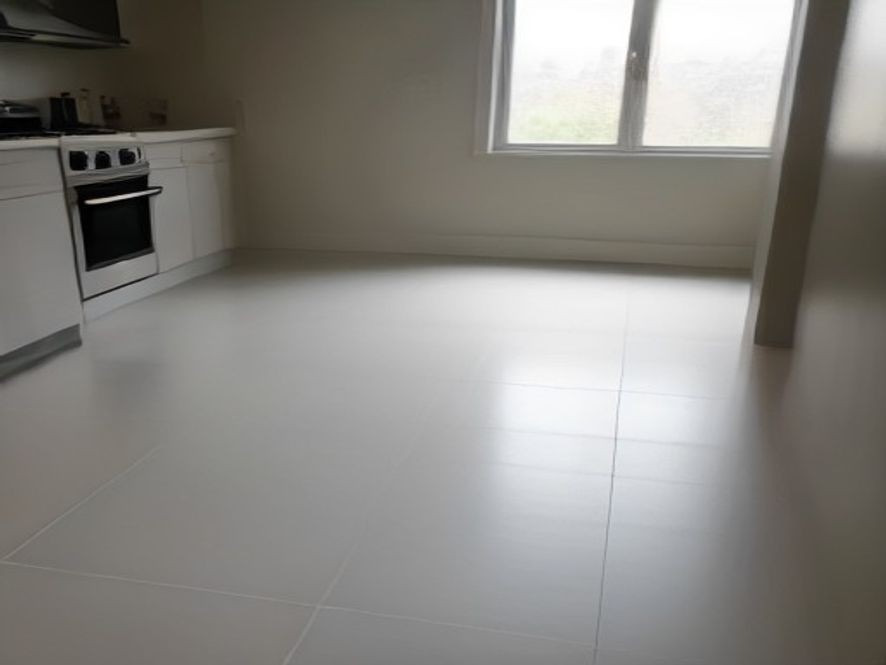
The Complete Guide to the Best Way to Remove Black Marks From Kitchen Floor Tiles: Easy Solutions
Those unsightly black scuff marks on your kitchen floor can make your entire cooking space feel worn out and dirty, even if the rest of the room is spotless.
You know the frustration. You sweep and mop regularly, yet those stubborn black scuff marks from shoes, slippers, or furniture remain. They seem to laugh at your regular cleaner. But the good news is that removing these marks is often simpler than you think—and you probably already have the solution in your home.
TL;DR
- Identify the culprit: Black marks are usually scuffs from rubber or synthetic shoe soles, not dirt that can be mopped away .
- Start with the gentlest method: A simple pencil eraser or baking soda paste can lift many scuff marks without any harsh chemicals .
- Upgrade to mild solvents: For stubborn marks, WD-40, nail polish remover, or a magic eraser are highly effective .
- Test first: Always test any cleaning method on a small, hidden area of your floor to ensure it doesn’t damage the tile or grout .
Key Takeaways
- Magic erasers (melamine foam) work by micro-abrasion, not chemicals. They can lift scuffs from ceramic and porcelain tiles with light pressure .
- Baking soda is a versatile, gentle abrasive that won’t scratch most tile surfaces .
- Solvents like acetone or WD-40 break down the rubber residue that causes the black marks .
- Prevention is possible: Switch to non-marking slippers and place rugs in high-traffic areas .
The Real Causes Behind Black Scuff Marks and How to Fix Them
Understanding why those black marks appear is the first step to removing them. The marks are typically caused by rubber or synthetic soles rubbing against hard tile surfaces . The friction creates scuff marks, which are essentially thin layers of rubber transferred onto your floor. They’re not “stains” in the traditional sense, which is why regular floor cleaners often fail to remove them.
Step-by-Step Fix Guide for a Spotless Floor
Here are the best methods, starting with the gentlest and progressing to more powerful solutions.
1. The Problem: A single, small scuff mark.
- The Best Way to Fix It: Grab a clean, soft pencil eraser. Rub it over the black mark like you would erase a pencil line. Once the mark is gone, wipe the area with a damp cloth to clean up the eraser dust. This method works best on small marks and is surprisingly effective .
2. The Problem: A larger scuff mark or scuffs that an eraser won’t lift.
- The Best Way to Fix It: Create a paste with baking soda and a little water (about 2 tablespoons of baking soda mixed with warm water) . Apply the paste to the black marks and scrub gently with a sponge or cloth. The mildly abrasive nature of baking soda will help lift the mark without damaging your tiles . Rinse the area with clean water and wipe it dry .
3. The Problem: Stubborn scuff marks that resist the eraser and baking soda.
- The Best Way to Fix It: This is where magic erasers come in. These melamine foam sponges work through micro-abrasion and are very effective on scuffs, marks, and crayon . Dampen the magic eraser slightly (you don’t need much water) and gently scrub the black marks until they disappear . Wipe the area with a clean cloth to remove any residue .
- Important: Magic erasers are abrasive. Always test on a small, hidden area first and use light pressure to avoid dulling the tile finish .
4. The Problem: Very stubborn scuffs, especially those from black-soled shoes.
- The Best Way to Fix It: For really tough marks, you may need a solvent to break down the rubber residue. Several household products work well:
- WD-40: Apply a tiny bit to a soft cloth and rub the mark using gentle circular motions. Wipe clean with a damp cloth and dry .
- Nail Polish Remover (Acetone): Acetone is a solvent that breaks down scuff marks . Add a couple of teaspoons of nail polish remover to a rag and gently rub the scuff until it disappears. Immediately wipe the area with a clean, damp cloth to remove any remaining acetone .
- Charcoal Lighter Fluid: Like WD-40, a small amount on a cloth can be effective . Ensure the area is well-ventilated.
- Safety reminder: Always wear rubber gloves and ensure your kitchen is well-ventilated when using strong solvents.
Comparison Table: Choosing the Right Scuff Removal Method
| Method | Best For | Effectiveness | Difficulty | Cost |
|---|---|---|---|---|
| Pencil Eraser | Small, single scuff marks | Good – Quick and effective for minor marks | Very Low | Very Low |
| Baking Soda Paste | Larger scuffs, general cleaning | Good – Gentle abrasive, safe for most tiles | Low | Very Low |
| Magic Eraser | Stubborn marks on ceramic/porcelain | High – Effective micro-abrasion | Low | Low-Medium |
| WD-40 | Very stubborn, set-in rubber scuffs | High – Dissolves rubber residue | Low | Low |
| Nail Polish Remover | Stubborn scuffs (not on all tile types) | High – Powerful solvent | Medium | Low |
Chart: Effectiveness of Scuff Removal Methods
The chart below illustrates how well different methods tackle stubborn black scuff marks on kitchen tiles.
FAQs: Quick Solutions for Black Scuff Marks
What causes black marks on tile floors?
They are usually scuff marks from rubber or synthetic shoe soles rubbing against the hard tile surface .
What is the easiest way to remove small scuff marks?
A clean, soft pencil eraser can often remove small scuff marks quickly and effectively .
Can I use baking soda to remove black marks?
Yes. Mix baking soda with a little water to form a paste, apply it to the mark, scrub gently, and rinse .
Is a magic eraser safe for tile floors?
Yes, it is safe for ceramic and porcelain tiles, but use light pressure and always test on a hidden area first to avoid dulling the finish .
What if the black marks are on my grout?
For grout, try a baking soda paste first. If that doesn’t work, you may need a specialized grout cleaner or a mold and mildew remover designed for grout .
Can I use acetone (nail polish remover) on my tile floor?
Yes, acetone is effective on scuff marks for tile, laminate, and vinyl. Avoid it on wooden floors and always test on a small area first .
How can I prevent black scuff marks?
Switch to soft-soled or non-marking slippers and place rugs in high-traffic areas to protect the floor .
Which kitchen problem do you want solved next? Share your thoughts in the comments.
References and Further Reading on Kitchen Floor Maintenance: