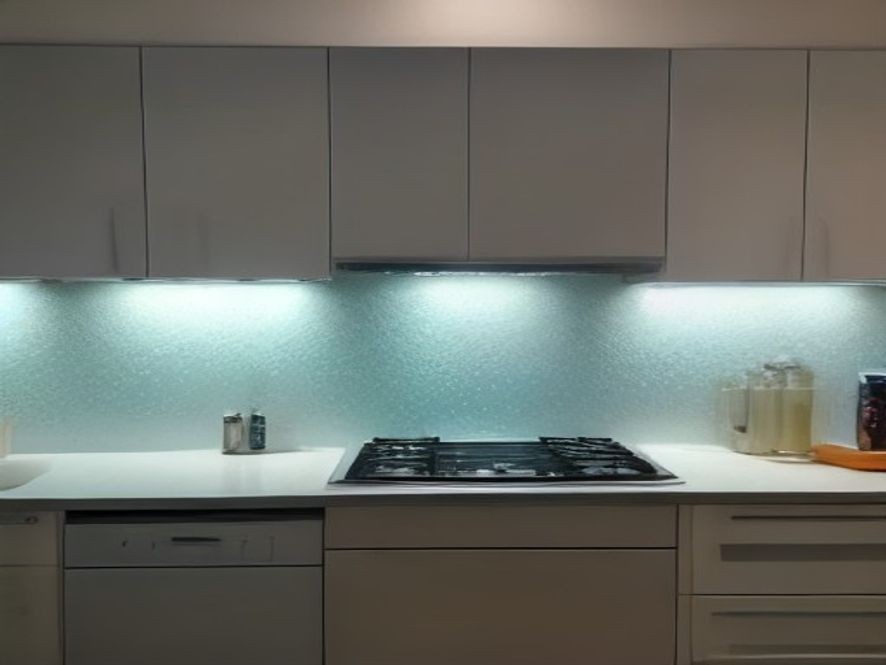
The Foolproof Guide to a Streak-Free Glass Kitchen Backsplash
That feeling when you step back to admire your freshly cleaned kitchen, only to see streaks, smudges, and cloudy spots all over your beautiful glass backsplash is frustrating. You just cleaned it, yet it looks worse than before. The good news? Getting a crystal-clear, streak-free shine is simple once you know the right technique. This guide covers the best way to clean a glass backsplash, how to fix cloudy spots, and tips to prevent streaks forever.
TL;DR (Too Long; Didn’t Read)
Skip the paper towels and harsh chemicals. Use a two-step system: first, cut grease with a gentle dish soap and water solution, then follow up with a glass cleaner or vinegar-water mix. The secret to avoiding streaks is the two-cloth method—one cloth for wiping, one for buffing dry—and using distilled water to prevent mineral residue.
Key Takeaways
- Ditch paper towels: They leave lint and can cause micro-scratches. Use a lint-free microfiber cloth instead .
- Start with dish soap: Glass cleaners alone can’t break down cooking grease. Start with warm water and a few drops of dish soap .
- The Golden Rule: Clean and then buff dry with a second cloth. Streaks are just leftover moisture .
- Beware of tap water: Minerals in regular water leave cloudy films. Use distilled water in your cleaning solution .
- Avoid abrasives: Scouring pads and harsh chemicals can scratch or dull the glass over time .
The Real Reasons Your Glass Backsplash Looks Streaky
Cleaning a glass backsplash can feel like a battle, especially in a kitchen where grease and steam are constant factors. Here is why common methods fail and how to fix them.
Why Glass Cleaners Alone Aren’t Enough
A glass backsplash is much easier to clean than tile because it has no grout lines to trap grime . However, its smooth surface also shows dirt and fingerprints more easily . The biggest challenge is cooking grease, which often clings stubbornly to the glass. Your favorite glass cleaner alone often can’t break down this oily film, leaving a smeary residue behind .
The Secret Culprit: Tap Water Minerals
Those ghostly streaks you see after cleaning are often caused by minerals in your tap water . As the water evaporates, it leaves behind calcium and magnesium deposits that create a cloudy film. This is why using distilled water in your cleaning solution is a game-changer .
Step-by-Step Guide: How to Clean Your Glass Backsplash for a Streak-Free Finish
Follow this simple, foolproof routine to get your glass backsplash sparkling.
1. Gather the Right Tools
Having the right supplies is half the battle. You’ll need:
- 2 high-quality microfiber cloths (one for cleaning, one for buffing)
- A non-abrasive sponge for stubborn spots
- A spray bottle
- A gentle glass cleaner (ammonia-free is best)
2. The Two-Step Cleaning Process
- Step A: Cut the Grease: Mix a few drops of gentle dish soap into a bucket of warm water . Pour this into your spray bottle. Spray the solution generously over the backsplash and wipe with your first microfiber cloth. This breaks down the oil and grime .
- Step B: The Final Rinse: Rinse the cloth with plain water and wipe again to remove any soap residue . Now, spray with your chosen glass cleaner or a 50-50 mix of white vinegar and distilled water .
3. The Secret Step: Buff to a Shine
This is the most important part. Take your second, completely dry microfiber cloth and buff the entire surface until it is bone-dry and shining . Work in small sections to prevent the cleaner from drying before you can buff it away . For an even more professional finish, use a squeegee and drag it from one side of the backsplash to the other in a continuous motion .
Comparison Table: Safe vs. Unsafe Cleaning Methods
| Method/Item | Purpose | Effectiveness | Difficulty Level | Cost |
|---|---|---|---|---|
| Microfiber Cloth (2) | Cleaning & Buffing | High (lint-free) | Easy | Low |
| Dish Soap & Warm Water | Grease cutting | High (breaks down oil) | Easy | Low |
| Distilled Vinegar & Water | Streak removal | High (dissolves minerals) | Easy | Very Low |
| Ammonia-Free Glass Cleaner | Final polishing | High (safe for glass) | Easy | Medium |
| Squeegee | Professional drying | Very High (removes all moisture) | Easy | Low |
| Paper Towels | Wiping | Poor (leaves lint) | Easy | Low |
| Scouring Pads | Scrubbing | Dangerous (scratches glass) | – | Low |
Expert Tips for a Perfect Streak-Free Shine
Cleaning pros and experienced homeowners have shared these hard-won lessons.
Timing Matters: Try to clean your backsplash when it’s not in direct, harsh sunlight. Heat from the sun can cause your cleaning solution to evaporate too quickly, creating streaks before you can buff them .
Pro Tip: Avoid Dish Soap in Your Final Rinse. Some guides recommend adding a drop of dish soap to your water-vinegar mix. However, even tiny amounts of soap can leave an invisible film that attracts dust and grease more quickly. Stick to vinegar and distilled water for the final polish .
How to Fix Cloudy Stains and Stubborn Grease
For Heavy Grease Buildup: Allow your cleaning solution to sit on the surface for a few minutes so it can break down the grease before wiping . For particularly stubborn grease, use a degreaser that is specifically labeled as safe for glass surfaces .
For Hard-Water Spots and Cloudy Film: The 50-50 vinegar and distilled water solution is your best friend. The mild acid dissolves mineral deposits effectively . Spray it on, let it sit briefly, then wipe and buff.
FAQ: Your Glass Backsplash Cleaning Questions Answered
Why does my glass backsplash look streaky after I clean it?
Streaks are usually caused by leftover moisture, mineral residue from tap water, or lint left behind by paper towels. The fix is to buff the table completely dry with a clean microfiber cloth and use distilled water in your solution .
What is the best way to clean a glass backsplash?
The best method is a two-step process: first, cut grease with warm water and dish soap. Then, use a glass cleaner or vinegar-water mix. Always dry with a separate microfiber cloth to prevent streaks .
Can I use vinegar to clean my glass backsplash?
Yes! A 50-50 mix of white vinegar and water is a safe, natural, and highly effective glass cleaner that cuts through grease and dissolves hard-water spots .
Is Windex safe for glass backsplashes?
Most Windex-style cleaners contain ammonia, which can be harsh and may dull the glass finish over time. It’s safer to choose a dedicated, ammonia-free glass cleaner .
What should I avoid when cleaning a glass backsplash?
Avoid abrasive scrubbers, scouring pads, paper towels, and harsh chemicals. These can leave scratches or dull the surface permanently .
Can I use Dawn dish soap on my glass backsplash?
Yes, but only for the initial grease-cutting step. Make sure to rinse it off completely before your final polish, as soap residue can cause streaks .
How often should I clean my glass backsplash?
A quick wipe-down after cooking prevents buildup. For deeper cleaning, aim for a thorough clean once a week or every couple of weeks to keep it looking brand new .
More Kitchen Cleaning Solutions & Trusted References:
- Martha Stewart – How to Remove Grease From Kitchen Backsplash
- House Digest – How To Clean Your Glass Kitchen Backsplash
- The Glass Guys – How to Properly Clean a Solid Glass Backsplash
- CreoGlass – How Do I Clean A Glass Splashback?
Which kitchen surface are you struggling to keep clean next? Share your thoughts in the comments!