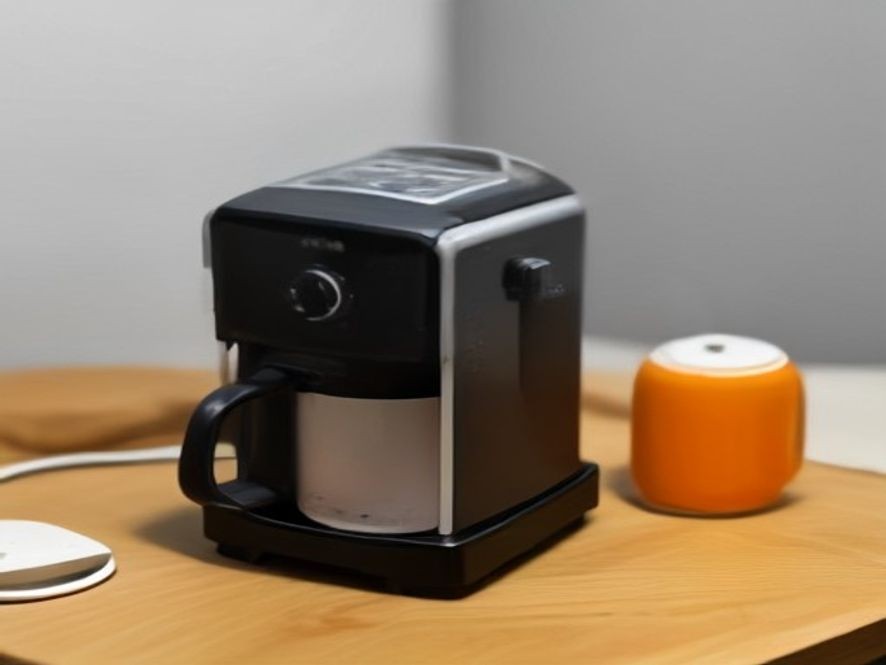
Kitchen Appliance Safety Mistakes That Can Cause Problems: A Complete Guide
That small habit you barely think about—like leaving your toaster plugged in or using the wrong scrubber on your cooktop—could be setting you up for costly repairs or even a dangerous fire.
We all make little mistakes in the kitchen. Maybe you’ve used a metal fork to pry stuck toast out of the toaster or placed a hot pan straight from the oven onto a glass refrigerator shelf. These things happen. But some kitchen habits are more than just minor slip-ups—they can actually damage your appliances, shorten their lifespan, or create serious safety hazards. Here’s what you need to know to keep your appliances safe and avoid common pitfalls.
TL;DR
- Almost half of all fires start in the kitchen, so small mistakes can have big consequences
- Using abrasive cleaners and steel wool on stainless steel or glass cooktops causes permanent scratches and rust
- Never clean toaster crumbs by sticking metal objects inside—unplug and remove the crumb tray instead
- Leaving high-heat appliances like toasters, air fryers, and coffee makers plugged in creates fire and electrical risks
- Using the wrong cookware on glass cooktops can scratch, chip, or cause cracking
Key Takeaways
- Water and electricity don’t mix: Keep appliances away from sinks and ensure hands are dry before use
- Don’t use steel wool or abrasive pads on stainless steel, glass cooktops, or delicate surfaces
- Clean appliance vents and filters regularly to prevent overheating and fires
- Unplug high-heat appliances after each use—toasters, air fryers, coffee makers, and countertop ovens
- Never put metal in the microwave—including foil, twist ties, or metal containers
The Most Common Safety Mistakes and How to Avoid Them
Using the Wrong Cleaning Tools on Delicate Surfaces
This is one of the easiest mistakes to make and one of the costliest to fix. The Consumer Reports appliance experts warn that using harsh or gritty cleansers and tools on a glass cooktop can lead to scratches and chips, making the appliance unsafe to use .
Repairing a damaged cooktop can cost $50 to $150, and replacing the entire surface can run up to $800 . The same goes for stainless steel. That temptation to reach for a heavy-duty steel wool pad? Resist it. Steel wool leaves visible scratches that can lead to rust, and deep scratches may require a professional or a replacement panel that costs hundreds of dollars .
Instead, use:
- Manufacturer-recommended cooktop cleaner with a soft cloth
- A cooktop scraper held at no more than a 45-degree angle
- Soft microfiber cloths with mild dish soap or baking soda paste
Never, Ever Use Metal in the Microwave
This seems obvious, but it’s a mistake that still happens. The Queensland Fire Department explicitly warns against using metal items like metal containers, foil, or twist ties in a microwave, as they can cause arcing—which can create a fire . Even something as small as a forgotten foil wrapper can spark and start a fire inside your microwave.
Leaving High-Heat Appliances Plugged In
Did you know that most kitchen fires start from electrical appliance malfunctions? Many small appliances—toasters, coffee makers, air fryers, and countertop ovens—draw power even when turned off . This standby power isn’t just wasting energy; it creates a fire risk.
Licensed electricians emphasize that toasters are especially risky because high-heat coils sit close to crumb collections. Over time, internal components like thermostats and timers can fail, potentially keeping the heating element on for longer than intended .
Coffee makers often remain partially powered to run digital clocks and timers, and when a faulty appliance sends a power surge through your home’s electrical system, it can damage other electronics and leave behind melted receptacles or burned connectors .
Electricians recommend unplugging these four appliances after every use:
- Toasters and toaster ovens
- Coffee makers and espresso machines
- Air fryers
- Countertop ovens
Storing Appliances Too Close to Heat Sources
This is a mistake many people don’t think about. Small electrical appliances like blenders, mixers, and food processors should be stored away from your stove or other heat sources. Excessive heat can melt, fray, or warp cords. As plastic or metal components heat up, they can expand and become damaged over time .
Never store appliances:
- In the oven’s bottom drawer or inside the oven itself
- On the counter directly next to the stovetop
- In front of heating vents
- Underneath bottles of cooking oil or other flammable liquids
Putting Hot Dishes Directly on Refrigerator Shelves
When food experts tell you to cool leftovers before refrigerating, they’re not just talking about food safety. Placing a piping hot pan directly on a glass refrigerator shelf can cause thermal shock—the sudden temperature difference can cause the glass shelf to shatter . Replacing a shattered shelf typically costs $20 to $100 or more .
Safer approach: Transfer food into smaller containers and let them cool on the counter for a maximum of two hours (per FDA guidelines), then refrigerate.
Scrubbing Refrigerator Gaskets Too Hard
The flexible strip around your refrigerator door keeps cold air in and warm air out, but it gets dirty over time. Scouring it with a gritty cleaner or an abrasive pad can damage the rubber or cause it to deteriorate. Replacing a gasket costs $100 to $300 .
Instead: Use a soft microfiber cloth with mild dish soap or a baking soda solution. Use cotton swabs to clean inside creases.
Never Cleaning Your Refrigerator Coils
Dust and dirt accumulate on condenser coils at the base, back, or top of your fridge. The experts at Consumer Reports recommend cleaning these coils twice a year to prevent the appliance from working harder and potentially shortening its life . When coils are dirty, heat can’t dissipate properly, and the compressor has to run longer and hotter.
Not Cleaning Your Toaster’s Crumb Tray
This might seem minor, but it’s a serious fire hazard. The Queensland Fire Department stresses that toasters need to be unplugged and their crumb trays cleaned regularly to prevent fire during normal use . And here’s the golden rule: if bread gets stuck, never stick a metal object into the toaster to retrieve it. You risk electric shock and damage to the heating elements.
What to do instead: Unplug the toaster, let it cool completely, then use a non-metal tool if necessary to remove stuck food . Better yet, turn the toaster upside down and shake out crumbs after unplugging.
Not Giving Appliances Room to Breathe
A common installation mistake is fitting a dishwasher or other appliance too snugly against cabinets. If the vent isn’t exposed properly, steam and heat damage can accumulate over time. This can cause warping, discoloration, cracking, and even melting of cabinetry . Countertop appliances like air fryers and toaster ovens should be placed in open spaces where they can properly ventilate, not near curtains, walls, or cabinets .
Using the Wrong Cookware on Glass Cooktops
Not all cookware is safe for glass or ceramic stovetops. Cookware with an uneven or textured bottom, such as cast iron, has heavy edges that can scratch and gouge the surface . Drag pans across the surface instead of lifting them, and you’ll risk scratches that could eventually compromise the safety of the appliance. Opt for smoother stainless steel or heavy aluminum instead.
Appliance Safety Comparison Table
| Appliance | Common Safety Mistake | Potential Consequence | Better Alternative |
|---|---|---|---|
| Glass Cooktop | Using abrasive cleaners or steel wool | Scratches, chips, unsafe cooking surface ($50–$800 repair) | Use cooktop scraper + recommended cream cleaner, soft cloth |
| Toaster | Leaving plugged in; using metal tools to remove stuck food | Fire hazard, electrical shock | Unplug after every use, shake out crumbs, use non-metal tools only |
| Refrigerator | Scrubbing gasket with abrasive pad; putting hot dishes on glass shelves | Damaged seal ($100–$300); shattered shelf ($20–$100) | Gentle cleaning with soft cloth; cool food first |
| Microwave | Using metal containers, foil, or twist ties | Arcing, fire | Use only microwave-safe containers |
| Coffee Maker | Leaving plugged in; overfilling water reservoir | Fire risk from surge; electrical damage | Unplug after use; follow fill lines |
| Any Small Appliance | Storing near stovetop or heat vent | Melted cords, component damage, fire risk | Store in cool, dry place away from heat sources |
A Note About Holiday Cooking Safety
Did you know Thanksgiving Day typically experiences 1,400 cooking fires, nearly three times the national daily average? Kitchen appliances were linked to more than 2.9 million injury-related emergency room visits over the last five years . High-heat appliances like air fryers, pressure cookers, electric ranges, and countertop ovens are the most dangerous because they can overheat, fail structurally, or create unexpected fire hazards . If you’re using multiple appliances during the holiday season, keep a close eye on them, and always check for recalls on the CPSC website before heavy use .
FAQ Section
Why is it dangerous to leave small appliances plugged in?
Even when turned off, they draw power and can malfunction, causing power surges, overheating, or fires. Electricians recommend unplugging toasters, coffee makers, air fryers, and countertop ovens after every use .
Can I use steel wool to clean my stainless steel refrigerator?
Never. Steel wool leaves visible scratches that can lead to rust. Use a soft microfiber cloth with mild dish soap or a baking soda paste, wiping with the grain .
What should I do if bread gets stuck in my toaster?
Unplug the toaster immediately, let it cool completely, and only then remove the bread. Never use metal objects or plug it back in while poking inside .
How often should I clean refrigerator coils?
Consumer Reports recommends cleaning them twice a year—when you reset your clocks for daylight saving time is a good reminder .
Is it safe to store appliances near the stove?
No. Storing appliances near heat sources can melt, fray, or warp cords and damage plastic components. Keep them in a cool, dry place .
What kind of cookware is safe for a glass cooktop?
Use smooth-bottomed stainless steel or heavy aluminum. Avoid cast iron and cookware with textured bottoms that can scratch and gouge the surface .
References
Expert appliance safety and troubleshooting resources for kitchen maintenance:
- Consumer Reports: Common Kitchen Appliance Mishaps and How to Fix Them
- Queensland Fire Department: Appliance Fire Safety
- Martha Stewart: 27 Small-Appliance Safety Rules Every Kitchen Should Follow
- Martha Stewart: 4 Kitchen Appliances You Should Unplug After Every Use
Which kitchen safety habit are you most guilty of? Share your thoughts in the comments.