How to Add Vertical Wall Storage Without Making a Small Kitchen Feel Crowded
You look at your kitchen walls and see endless potential—but you’re also worried that adding storage up high will make the room feel smaller and more claustrophobic. That’s a legitimate concern. The difference between a kitchen that feels spacious and one that feels like a cluttered hallway often comes down to how you add vertical storage, not whether you add it at all.
The key: Add storage without adding visual weight
Vertical storage is one of the most effective small kitchen strategies because it gets items off counters while keeping daily tools within reach. But poorly executed wall storage can make a tiny kitchen feel boxed in and chaotic. The trick is choosing solutions that are shallow, intentional, and visually light.
5 smart wall storage solutions (without the cramped feeling)
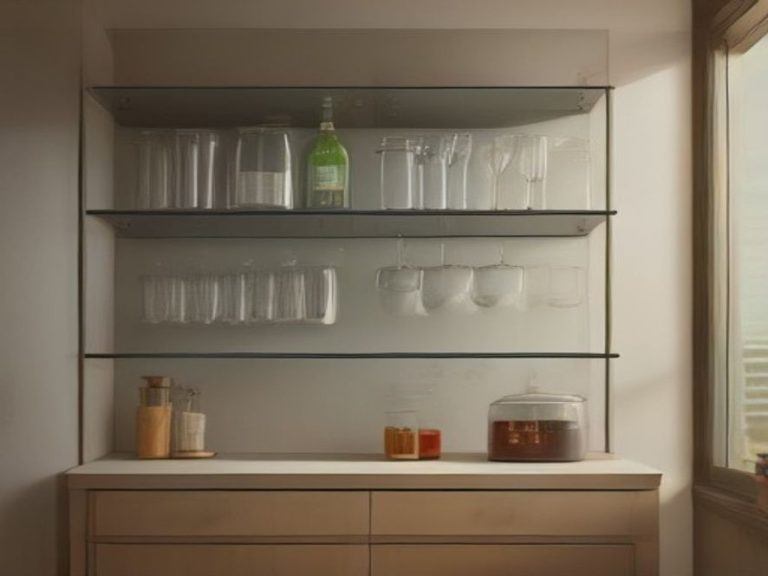
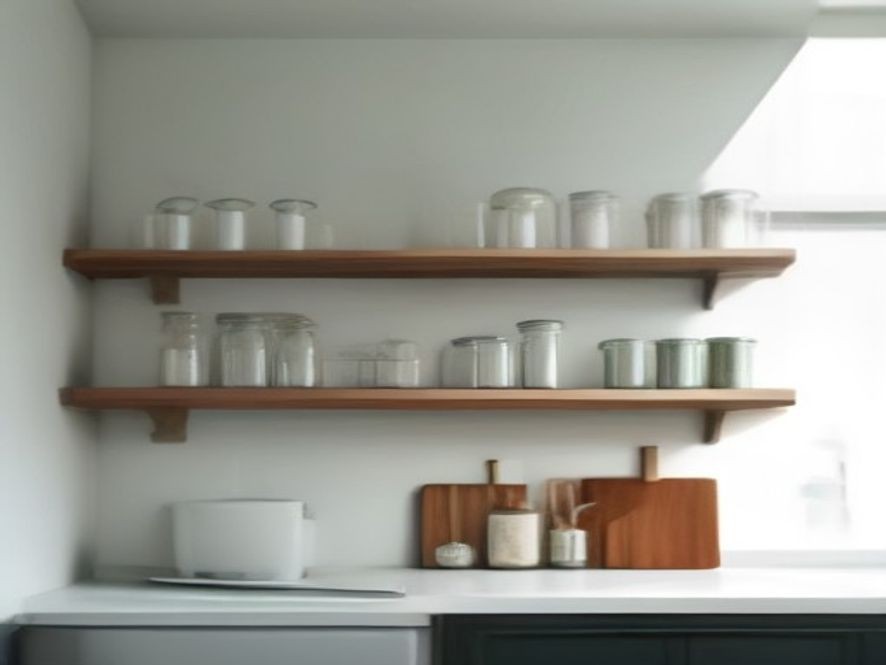
1. Use shallow shelves (4–6 inches deep)
Deeper shelves eat into your space and feel heavy. Shallow shelves for spices, tea tins, and small jars keep items visible without jutting into the aisle. Staggering shelf heights also creates a gentle rhythm that feels calm instead of busy.
2. Try a rail system instead of bulky cabinets
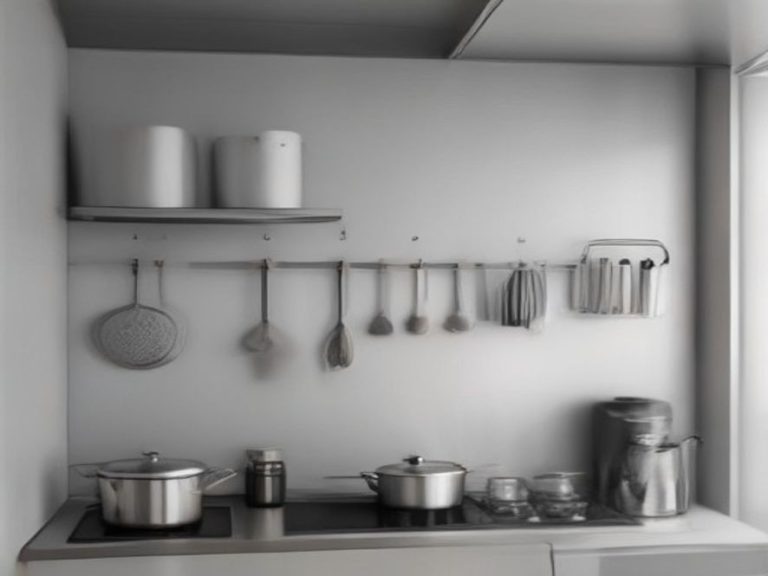
A single anchored rail with moveable hooks and shelves can hold utensils, towels, and small pans—freeing up counter space without the visual weight of upper cabinets. The flexibility means you can rearrange as your cooking habits change, and studies show keeping tools between shoulder and hip height speeds up prep by 10–15%.
3. Mount a pegboard on a blank wall
Pegboards are the ultimate adaptive storage—you can rearrange hooks, shelves, and baskets in minutes as your needs change. They’re thin (often under 1 inch with cleats), which preserves walkways in narrow galleys. In a 7-foot galley kitchen, a well-designed pegboard became “functional art” rather than clutter.
4. Use magnetic strips to free up drawers and counters
A magnetic knife strip saves 8–12 inches of counter space compared to a knife block. You can also use magnetic bars for spice tins and metal scoops. Keep them 16–20 inches above the counter, slightly offset from the cooktop to avoid heat and splatter.
5. Create vertical zones by frequency
Professional kitchen planners treat walls in layers:
- Lower zone (below eye level): Daily-use tools
- Middle zone: Prep-area storage
- Upper zone: Seasonal or lightweight items
This layered approach prevents walls from becoming cluttered while still maximizing storage.
Quick comparison: Which wall solution fits your kitchen?
| Wall Solution | Best For | Visual Weight | Renter-Friendly? |
|---|---|---|---|
| Shallow shelves (4–6″) | Spices, jars, mugs | Low | Usually (removable) |
| Rail systems | Utensils, towels | Low-Medium | Yes (single anchor) |
| Pegboards | Mixed tools, flexibility | Low | Yes (4 small holes) |
| Magnetic strips | Knives, spice tins | Very low | Yes (adhesive option) |
| Full upper cabinets | Hidden storage | High | No |
Three rules to keep it feeling open
Rule 1: Keep the top half clean. Storage should live between counter height and just below eye level—the area above that can feel like clutter.
Rule 2: Curate what you display. Exposed items show everything. Matching containers, a few cookbooks, and a small plant look better than a crowded shelf of mismatched objects.
Rule 3: Install proper anchors. Lightweight adhesive hooks work for small items, but anything heavier needs to be anchored into studs or use heavy-duty wall anchors. The hardware is cheap; the drywall repair isn’t.
Frequently Asked Questions
Will vertical storage make my kitchen feel smaller?
Only if you overcrowd it. Shallow shelves (4–6 inches) and rail systems add storage without eating into walking space. The key is keeping items visually light and grouped intentionally.
What’s the most versatile wall storage for a renter?
A pegboard with 4 small holes for mounting, or a rail system with a single anchored rail. Both are removable and repairable when you move out.
How do I keep wall storage from looking cluttered?
Group similar items by color or material, use matching containers, and keep the number of displayed items modest. A curated shelf looks intentional; a crowded one looks chaotic.
Can I use adhesive hooks instead of drilling?
Yes, for lightweight items. But for anything with weight (pans, knives, multiple spices), use proper wall anchors or drill into studs to avoid damage and accidents.
References
Smart solutions for a visually open small kitchen:
- Coohom – Make a Tiny Kitchen Feel Huge
- Coohom – Kitchen Side Wall Design: 5 Smart Ideas
- Coohom – Kitchen Wall Storage Ideas
- Coohom – Kitchen Wall Storage: 5 Smart Ideas That Truly Work
- Coohom – Small Kitchen Wall Decor: 5 Creative Ideas
- Aire – How to Organize a Small Kitchen Without Losing Work Surface
- Coohom – How to Optimize Kitchen Wall Space
Adding vertical storage doesn’t have to mean adding visual clutter. The best wall storage is shallow, intentional, and flexible—it works with your kitchen’s limitations instead of fighting them. Start with one small wall and see how it feels before expanding. Chances are, you’ll wonder why you left that space empty for so long.
Which kitchen problem do you want solved next? Share your thoughts in the comments.