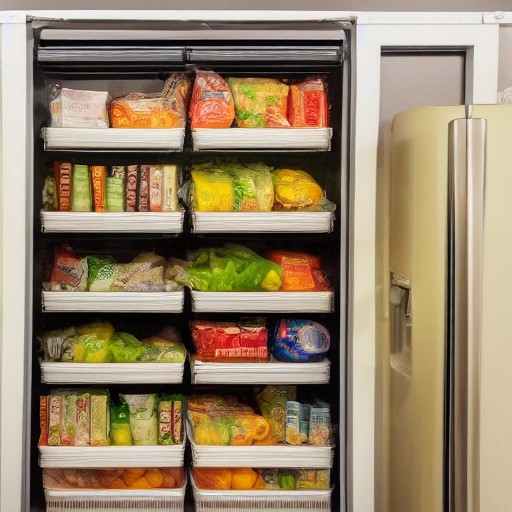
Why Is My Refrigerator Not Cooling Properly: Complete Troubleshooting Guide
You open your refrigerator to grab milk for your morning coffee, and the milk feels barely cool — not cold — and you suddenly realize your fridge has been running nonstop without actually keeping things cold.
TL;DR
A refrigerator that runs but does not cool usually has one of five problems: dirty condenser coils, a blocked air vent, a failing evaporator fan, a bad start relay, or low refrigerant. Start by cleaning the coils (this solves 40% of cooling problems). Then check that nothing is blocking the air vents inside. If those do not work, listen for fan noises and feel for compressor heat. Most cooling issues are fixable at home without a technician, but a refrigerant leak means it is time to shop for a new fridge.
Key Takeaways
- Dirty condenser coils are the number one reason refrigerators lose cooling power. Dust traps heat so the fridge cannot release it.
- Blocked air vents stop cold air from moving from the freezer to the fresh food section. A single box of leftovers can ruin the whole fridge.
- The condenser fan (near the compressor) and evaporator fan (inside the freezer) must both run for cooling to work.
- Frost buildup on the back wall of the freezer blocks airflow and kills cooling. This usually means a defrost problem.
- Always unplug the refrigerator before cleaning coils, checking fans, or touching any internal parts.
How a Refrigerator Actually Cools (Simplified)
To understand why your fridge is not cooling, you need the simple version of how it works.
A refrigerator removes heat from inside and dumps it into your kitchen. It does this using four main parts:
- Compressor — The pump that pushes refrigerant through the system
- Condenser coils — Black tubes (back or bottom) that release heat into the room
- Evaporator coils — Inside the freezer, these get very cold as refrigerant evaporates
- Fans — Move cold air from the freezer into the fresh food section
If any of these parts fail or get dirty, your refrigerator loses its ability to cool. The compressor might keep running, but no cold air reaches your food.
| Part | What It Does | Signs It Is Failing |
|---|---|---|
| Compressor | Pumps refrigerant | Clicking, humming but no cooling, very hot to touch |
| Condenser coils | Release heat | Hot to touch, covered in dust, fridge runs constantly |
| Evaporator fan | Moves cold air to fridge | No air blowing from freezer vents, grinding noise |
| Condenser fan | Cools the compressor | Compressor very hot, buzzing noise from back |
| Start relay | Helps compressor start | Rapid clicking, compressor does not run |
“Most refrigerator cooling problems come from airflow issues — either dirty coils outside or blocked vents inside. Clean first, then diagnose deeper.”
Step-by-Step Fix Guide: Get Your Fridge Cooling Again
Work through these steps in order. Start with the simplest, cheapest fix. Most people find the problem by step 2 or 3.
Step 1: Check the Temperature Settings
Before doing anything else, make sure the problem is not just a bumped dial.
What to do:
- Locate the temperature control dial or digital display inside the fresh food section.
- The ideal setting is 37°F (3°C) for the fridge and 0°F (-18°C) for the freezer.
- If someone turned the dial to a warmer setting, adjust it back to the middle or recommended setting.
- Wait 24 hours for the temperature to stabilize. Refrigerators cool slowly.
Important: Putting the fridge on the coldest setting does not make it cool faster. It just makes the compressor run longer. If something is broken, the coldest setting will not help.
Step 2: Clean the Condenser Coils (The Most Important Step)
This solves more cooling problems than any other fix. Dirty coils trap heat. If heat cannot escape your fridge, the inside cannot get cold.
What you need:
- Refrigerator coil brush (long, thin bristles) or an old paintbrush
- Vacuum cleaner with crevice tool
- Screwdriver (for removing panels)
What to do:
- Unplug the refrigerator.
- Pull the fridge away from the wall.
- Find the condenser coils:
- Older models: Black metal coils on the back
- Newer models: Coils underneath the fridge, behind the front kickplate
- Remove the kickplate (bottom front panel) if your coils are underneath.
- Use the coil brush to loosen dust and pet hair. Brush gently along the direction of the tubes.
- Vacuum everything up — the coils, the floor underneath, and the area around the compressor.
- If the coils are caked with grease (common in kitchen environments), use a coil cleaning spray from a hardware store.
- Push the fridge back, plug it in, and wait 12 hours to see if cooling improves.
Always unplug appliances before cleaning or repairing them. The condenser fan can start spinning even when the fridge is off if you bump it.
How often: Clean coils every six months. If you have shedding pets, do it every three months.
Step 3: Check for Blocked Air Vents
Cold air comes from the freezer into the fresh food section through small vents. If those vents are blocked, your fridge will be warm while the freezer stays cold.
What to do:
- Open both the freezer and the fresh food section doors.
- Look for air vents — usually located on the back wall or on the sides.
- In the freezer, the vent is often near the top or bottom back.
- In the fridge, the vent is usually on the top back wall or behind the crisper drawers.
- Remove any food, boxes, or containers blocking these vents.
- Check that ice has not built up over the vent. Frost covering the vent means a defrost problem (see Step 7).
A single frozen pizza box pushed against the back wall can completely block airflow and ruin everything in your refrigerator.
Step 4: Listen for Fans Running
Your refrigerator has two fans. Both must run for proper cooling.
The Condenser Fan (back of the fridge)
- Pull the fridge away from the wall.
- Plug it back in (carefully, with space to work).
- Listen near the bottom back. Do you hear a fan running?
- If the fan is silent but the compressor is humming, the condenser fan motor may be dead.
- Fix: Replace the condenser fan motor ($30 to $60, DIY possible).
The Evaporator Fan (inside the freezer)
- Open the freezer door and press the door switch (the button that turns off the light when the door closes).
- Listen carefully. Do you hear a fan blowing air?
- If you hear no air movement but the fridge is running, the evaporator fan is not working.
- If you hear grinding or scraping, the fan blade is hitting ice or the motor bearings are failing.
What to do if the evaporator fan is not running:
- Unplug the fridge.
- Remove the back panel inside the freezer (usually held by screws).
- Look for ice buildup around the fan (common problem).
- If you see ice, use a hair dryer on low to melt it. Do not chip ice with a knife — you can puncture the refrigerant lines.
- Once ice is gone, test the fan by plugging the fridge back in (with the panel off).
- If the fan spins freely now, you fixed the ice problem. If it does not spin, replace the fan motor.
Step 5: Feel the Compressor and Coils
These temperature checks tell you a lot about what is wrong.
What to do:
- Unplug the fridge for 10 minutes (so everything cools down to room temperature).
- Plug it back in and let it run for 15 minutes.
- Feel the compressor (the black round device near the bottom back). It should feel warm to hot — too hot to keep your hand on for more than a few seconds. That means it is working.
- Feel the condenser coils (the black tubes). They should feel warm to the touch as they release heat.
- Check the evaporator coils (inside the freezer, behind the back panel). After 15 minutes, they should feel cold or frosty.
| What You Feel | What It Means |
|---|---|
| Compressor hot, coils warm, evaporator cold | System is working — problem is airflow (vents blocked or fans failed) |
| Compressor hot, coils cool or room temp | Dirty coils or failed condenser fan |
| Compressor warm (not hot), coils cool, evaporator not cold | Low refrigerant or failing compressor |
| Compressor silent or clicking repeatedly | Failed start relay or dead compressor |
Step 6: Check the Start Relay
If your compressor is not running at all (silent or rapid clicking), the start relay is often the culprit.
What it sounds like: Click. Pause two seconds. Click. Pause two seconds. Repeat. The compressor tries to start but never does.
What to do:
- Unplug the fridge.
- Locate the start relay — a small black plastic box attached to the side of the compressor.
- Pull it off the compressor terminals (it just pulls straight out).
- Shake the relay. If you hear rattling inside like broken ceramic, the relay is bad.
- Replace the start relay ($15 to $40 at appliance parts stores or Amazon). This is an easy DIY fix for most people.
Do not run the fridge with a clicking start relay. It will eventually burn out the compressor.
Step 7: Look for Frost Buildup or Ice
Frost on the back wall of the freezer or ice blocking the vents means the defrost system has failed.
What to look for:
- Open the freezer. Is there frost or ice covering the back wall?
- Are the air vents between the freezer and fridge blocked by ice?
- Is there water leaking from the freezer onto the floor (melted frost)?
What causes this: The defrost heater, defrost timer, or defrost thermostat has failed. Ice builds up over days or weeks until it blocks all airflow.
Temporary fix: Unplug the fridge, empty both sections, and leave the doors open for 24 to 48 hours until all ice melts. Plug it back in. It will work for a few days to weeks until ice builds up again.
Permanent fix: Replace the defrost heater, defrost thermostat, or defrost timer (or the main control board on newer fridges). This is a moderate-difficulty DIY repair or a $200 to $400 professional repair.
Step 8: Check the Door Seals (Gaskets)
If your refrigerator is struggling to cool, warm air might be leaking in around the door.
What to do:
- Close a dollar bill in the door so half is inside and half is outside.
- Try to pull the dollar bill out. If it slides out with no resistance, the door seal is weak.
- Repeat this test in four spots: top, bottom, left, right.
- Check for cracks, tears, or flattened spots in the rubber gasket.
- Clean the gasket with warm soapy water. Dirt can prevent a good seal.
Fix: If the gasket is damaged, replace it ($40 to $80, easy DIY). If it is just dirty, cleaning often solves the problem.
The Refrigerant Problem: When to Give Up
If you have tried everything above — cleaned coils, checked fans, verified airflow, replaced the start relay — and your fridge still does not cool, you may have a refrigerant leak.
Signs of a refrigerant leak:
- Compressor runs constantly but fridge stays warm
- Coils never get warm (or get warm only near the compressor)
- You hear a hissing sound from inside the walls (leaking gas)
- The evaporator coils (inside freezer) have frost only at the very beginning of the tubes
What to do: Call a technician. But be aware — repairing a sealed system leak costs $800 to $1,500. A new refrigerator costs about the same. For any fridge over seven years old, replacement is usually the smarter choice.
Never try to add refrigerant yourself. Refrigerant handling requires EPA certification. The wrong type or amount can destroy the compressor or leak toxic gas into your home.
Comparison: Cooling Problems vs. Solutions
| Symptom | Most Likely Cause | Difficulty of Fix | Cost | DIY or Pro? |
|---|---|---|---|---|
| Fridge warm, freezer cold | Blocked air vent | Very easy | Free | DIY |
| Fridge runs constantly, poor cooling | Dirty condenser coils | Easy | $0-10 (brush) | DIY |
| No air blowing from freezer vents | Evaporator fan failed | Moderate | $30-60 | DIY with guidance |
| Rapid clicking, compressor not running | Bad start relay | Easy | $15-40 | DIY |
| Frost on freezer back wall | Defrost system failed | Moderate to hard | $20-200 | Either |
| Compressor runs but no cooling anywhere | Low refrigerant (leak) | Very hard | $800-1500 | Pro only (or replace) |
| Compressor silent, no clicking | Dead compressor | Very hard | $800-1500 | Replace fridge |
Preventing Future Cooling Problems
These simple habits keep your refrigerator cooling properly for years.
Monthly Habits
- Check the temperature with an appliance thermometer. If it drifts above 40°F, investigate immediately.
- Wipe the door seals with a damp cloth. Clean seals seal better.
- Listen for new noises when you pass by the fridge. Catching a failing fan early saves the compressor.
Every 3-6 Months
- Clean the condenser coils — put it on your calendar.
- Vacuum underneath the fridge to remove dust and pet hair.
- Check the drain pan (under the fridge) for standing water. Stagnant water breeds mold and can freeze, blocking airflow.
Once Per Year
- Pull the fridge out and clean behind it thoroughly.
- Check the door seal dollar bill test in all four corners.
- Empty and inspect the drip pan for cracks or mold.
FAQ: Refrigerator Cooling Questions
Why is my refrigerator running but not cooling?
Most likely dirty condenser coils or a blocked air vent. Clean the coils first. Then check that nothing is blocking the vents between the freezer and fresh food section.
How do I know if my refrigerator compressor is bad?
A bad compressor either makes rapid clicking sounds (failed start relay) or runs but feels barely warm to the touch. If the compressor is hot and the fridge still does not cool, the problem is elsewhere (coils, fans, or refrigerant).
Can a refrigerator lose cooling power without making strange noises?
Yes. Dirty coils make no noise but kill cooling efficiency. A blocked air vent also makes no sound. Always check those two things first before assuming a major part failed.
How long does it take for a refrigerator to cool after cleaning coils?
Give it 12 to 24 hours to fully recover. The compressor may need time to catch up after working inefficiently for weeks or months.
Is it worth repairing a 10-year-old refrigerator that is not cooling?
Usually no. The average refrigerator lasts 12 to 15 years. A $800 to $1,500 repair on a 10-year-old fridge is not worth it. Buy a new, more efficient model instead.
Why is my freezer cold but my refrigerator is warm?
This is almost always a blocked air vent or a failed evaporator fan. Cold air from the freezer cannot reach the fridge section. Check for ice blocking the vent first.
What does it mean when the refrigerator compressor is hot to the touch?
That is normal. The compressor generates heat as it pumps refrigerant. It should feel too hot to keep your hand on comfortably. But if it is hot and the fridge is still warm, you have another problem.
Putting It All Together
A refrigerator that runs but does not cool is frustrating, but most causes are simple and cheap to fix. Start with the easiest solution: clean the condenser coils. If that does not work, check for blocked air vents. Then listen for fans and feel the compressor.
Always unplug the refrigerator before cleaning coils or checking fans.
If you have tried everything and your fridge still will not cool, test for the telltale signs of a refrigerant leak — compressor running constantly but evaporator coils only frost at the very beginning. That repair is almost never worth the cost on an older fridge.
For most people, the fix is clean coils and clear vents. You can solve this problem tonight with a brush and a few minutes of work.
Which kitchen appliance problem do you want solved next? Share your thoughts in the comments.
References: