Small Kitchen Storage Problems and Smart Fixes: A Practical Guide for Home Cooks
That moment when you open a cabinet and a plastic lid avalanche falls on your head is a clear sign your kitchen storage needs help.
🟡 TL;DR
Small kitchens often feel cramped because of unused vertical space, messy drawers, and awkward corners. This guide shares simple fixes like using wall-mounted racks, drawer dividers, and lazy Susans. You do not need a renovation or expensive tools—just a few smart changes to make your cooking space work better for you.
🔵 Key Takeaways
- Use vertical space – Walls and cabinet doors are often wasted.
- Group similar items – Keep baking sheets with baking sheets, lids with pots.
- Declutter first – You cannot organize what you do not use.
- Clear containers save space – Square bins fit better than round ones.
- Magnetic strips are magic – Great for knives and spice tins.
The Real Causes Behind Common Kitchen Storage Problems and How to Fix Them
Most kitchen storage issues start the same way: we buy new gadgets but never remove the old ones. Over time, cabinets become junk drawers, counters disappear under piles of mail and spice jars, and finding a kitchen tool feels like a treasure hunt. The good news is that the best solutions are often cheap and simple. You just need a plan.
Why Your Kitchen Feels Smaller Than It Is
Look around your cooking space right now. Are your counters covered? Do you have to move three things to open a drawer? These are signs of “horizontal thinking.” Many home cooks only use the flat surfaces—countertops and shelves—while ignoring the walls, the insides of cabinet doors, and the space above the fridge.
“The average kitchen has nearly 20 square feet of unused vertical wall space. That is enough for a full spice rack, a knife strip, and a hanging fruit basket.”
Another hidden problem is mixed storage. When you store pots next to cereal boxes next to cleaning supplies, nothing has a real home. This makes cooking stressful because you waste time searching for what you need.
Smart Fix #1: Unlock Your Cabinet Doors
The inside of a cabinet door is prime real estate. You can install small wire racks or stick-on hooks to hold pot lids, measuring cups, or even dish towels. This keeps those items off your shelves and frees up room for stacked bowls or food containers.
Step-by-step guide to using cabinet door space:
- Clean the door surface so adhesive hooks stick well.
- Measure the door before buying any racks. You still need to close the door fully.
- Start lightweight – lids, small cutting boards, or foil rolls. Do not hang heavy cast iron here.
- Test the door swing to make sure nothing bumps into the cabinet frame.
Smart Fix #2: Rethink Your Drawers
Deep drawers without dividers become black holes. You toss in kitchen utensils, and they slide everywhere. The fix is simple: add adjustable drawer dividers or use small baskets inside the drawer. Group tools by use—spatulas and spoons together, measuring cups together, and sharp items in a separate section.
A safety reminder: Always store sharp knives in a blade guard, a knife block, or on a magnetic strip. Loose knives in a drawer are dangerous for everyone in the home.
For shallow drawers, consider felt liners and flat organizers for items like kitchen cleaning cloths, silicone baking cups, or spice packets. Every small category needs a defined spot.
Smart Fix #3: The Lazy Susan Solution for Corner Cabinets
Corner cabinets are the biggest storage tragedy in small kitchens. Stuff gets pushed to the back and forgotten until it expires. A lazy Susan (a rotating turntable) fixes this completely. Place one on each shelf. Now you can spin the back items to the front with one finger.
Comparison Table: Corner Cabinet Storage Methods
| Item/Method | Purpose | Effectiveness | Difficulty Level | Cost |
|---|---|---|---|---|
| Lazy Susan (single tier) | Access corner items easily | High – 90% accessibility | Easy (set in place) | Low ($15–$30) |
| Pull-out sliding racks | Bring entire shelf forward | Very high – 100% access | Medium (screw installation) | Medium ($40–$80) |
| Fixed shelves | Store rarely used items | Low – items get lost | Easy (no change) | Free (already there) |
| Stacked bins | Group similar items | Medium – still need to unstack | Easy | Low ($10–$20) |
Smart Fix #4: Go Up with Wall Storage
Your walls are not just for decoration. A simple rail system with hooks can hold pots, pans, mixing bowls with handles, and even utensils. This gets heavy items out of your cabinets and puts them within arm’s reach of the stove.
Another wall trick: a magnetic knife strip. Instead of a bulky knife block that takes up counter space, mount a strip on a tile backsplash or wall. This also looks professional and keeps your knives sharper because they are not banging against other metal.
For renters: use removable adhesive strips or tension rods. Command hooks can hold lightweight ladles and spatulas without damaging paint.
Smart Fix #5: Stack, Don’t Scatter
Baking sheets, cutting boards, and cooling racks are terrible to store flat. They slide everywhere. The solution is a vertical divider (like a file organizer for your cabinet). Place these flat items on their edges, standing up. You can pull out one sheet without moving the whole pile.
The same idea works for pot lids. Instead of stacking lids on top of pots (which wobbles and falls), use a lid holder rack or a simple pegboard. Hang each lid by its handle or edge.
Chart: Storage Efficiency Before and After Simple Fixes
This chart shows how much time you can save finding tools after organizing your small kitchen.
The chart shows a clear improvement. Simple fixes can save you nearly a minute every time you reach for a corner item. Over a year of daily cooking, that adds up to hours of saved time.
Fixing Specific Small Kitchen Storage Problems
The Spice Cabinet Mess
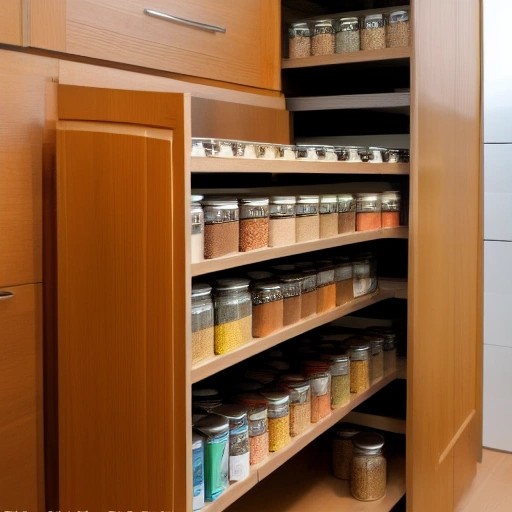
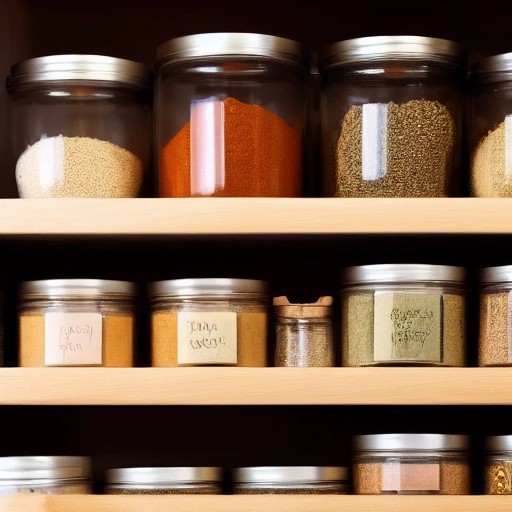
Small spice jars get lost in deep cabinets. You buy cumin twice because you could not see the first jar. The fix is a spice rack mounted on the inside of a cabinet door or a wall. If you have drawer space, lay the jars flat in a shallow drawer with labeled tops. Another trick: use magnetic spice tins on a metal sheet attached to the wall.
The Plastic Container Nightmare
Lids without bottoms. Bottoms without lids. This is the most frustrating problem in kitchen organization. The fix is to store containers and lids together. Use a small bin just for lids, standing them up like files. Stack containers by size inside a cabinet. Or switch to a modular set where every lid fits every container.
The Sink Area Clutter
The space under your sink often holds kitchen cleaning supplies, extra sponges, and trash bags. It becomes a wet, messy cave. Use a tension rod to hang spray bottles from the cabinet frame. Add a small shelf riser to create two levels. And keep a small bin for “almost empty” bottles so they do not leak onto your stored items.
Frequently Asked Questions About Small Kitchen Storage
Q: How do I store pots and pans in a tiny kitchen?
A: Hang them on a wall rack or use a pot rack that mounts above an island or sink area. If hanging is not possible, nest smaller pans inside larger ones and use a lid holder rack.
Q: What is the best way to organize a deep cabinet?
A: Use pull-out baskets or stackable bins with handles. Keep the front bins for weekly items and the back bins for holiday or occasional tools.
Q: How can I add storage without drilling holes?
A: Tension rods, over-the-cabinet hooks, and adhesive strips work well for renters. A rolling cart or kitchen island adds surface space without permanent changes.
Q: Why does my small kitchen always look messy even after cleaning?
A: You likely do not have a “home” for each item. When everything has a dedicated spot, cleaning takes five minutes because you are just returning things to their places.
Q: Can I store food on top of the refrigerator?
A: Yes, but only dry, shelf-stable items like cereal boxes or bulk paper goods. The top of the fridge vibrates and gets warm, which can spoil some foods faster.
Q: What should I throw away first when decluttering a small kitchen?
A: Duplicate tools (you do not need three can openers), gadgets with broken parts, and anything you have not used in one full year. Be honest with yourself.
Q: How do I store cutting boards neatly?
A: Use a vertical file holder or a narrow dish rack placed on its side. You can also stick adhesive hooks on a cabinet door and hang boards with pre-drilled holes.
Final Thoughts: A Small Kitchen Can Still Cook Big Meals
You do not need a renovation to enjoy your cooking space. Most kitchen solutions cost under fifty dollars and take an afternoon to install. Start with one problem area—maybe the utensil drawer or the corner cabinet. Fix that spot completely before moving to the next. Small wins build confidence, and before you know it, your tiny kitchen will feel open, calm, and ready for anything you want to cook.
Which kitchen problem do you want solved next? Share your thoughts in the comments.
References: