Kitchen Cabinet Space Not Enough Solutions: Smart Fixes for Tiny Cooking Spaces
You open your cabinet to grab a mixing bowl, and three baking sheets, a muffin tin, and a loose lid come crashing out like a game of kitchen Jenga.
🟡 TL;DR
You do not need a bigger kitchen or expensive new cabinets. Most kitchens waste 40 percent of their existing cabinet space through poor organization. Simple fixes like adding shelf risers, using door-mounted racks, installing pull-out drawers, and storing items outside your cabinets can double your usable space. Start with one cabinet this weekend before buying anything new.
🔵 Key Takeaways
- Look up – The space above your top shelf is often completely wasted.
- Use cabinet doors – The inside of every door is free real estate.
- Go vertical – Store baking sheets, cutting boards, and trays on their edges.
- Remove what you do not use – Half of most kitchens’ contents are rarely touched.
- Think outside the cabinet – Walls, counters, and even ceilings can hold kitchen tools.
The Real Reasons Your Kitchen Cabinets Feel So Cramped and How to Fix Them
You open a cabinet and feel instantly frustrated. There is technically room, but everything is stacked in a way that makes no sense. You own plenty of kitchen storage space on paper, but somehow it never fits what you actually need. This problem is not about the size of your kitchen. It is about how you use the space you already have.
Most kitchen cabinets were designed by people who never actually cook. They put in deep shelves that turn into black holes. They add narrow upper cabinets that barely fit a cereal box. And they completely ignore the back corners where food goes to expire. The good news is that you can fix almost all of these problems for under fifty dollars.
“The average kitchen has about 30 cubic feet of cabinet space. Most homes only use about 18 cubic feet effectively. That is 12 cubic feet of wasted space – roughly the size of a small dishwasher.”
Why Your Cabinets Feel Full but Never Have What You Need
The real problem is rarely that you have too much stuff. The problem is that you store things inefficiently. Round bowls stacked inside round bowls take up way more room than they should because the air between them is wasted space. Pots with lids stored on top of the pots mean you have to unstack everything to reach the bottom pan.
Another hidden issue is mixed storage. You keep the stand mixer in the same cabinet as the cereal boxes. You store cleaning supplies next to your food storage containers. Nothing has a dedicated zone, so you end up moving the same items over and over again just to reach the one thing you need.
The First Step: Empty One Cabinet Completely
Before you buy any organization products, you need to know what you actually own. Pick your worst cabinet – the one you dread opening. Pull everything out onto your counter. Now sort into three piles:
- Daily use – Items you touch at least once a week
- Weekly use – Items you touch once a week to once a month
- Never use – Items you have not touched in the past six months
The “never use” pile should leave your kitchen. Donate it, sell it, or move it to a basement or garage. You just freed up space without buying a single thing.
A hard truth: If you have not used a kitchen gadget in six months, you will not use it in the next six months either. Your air fryer might be fun, but if it sits in a cabinet gathering dust, it is just taking up room.
Smart Fix #1: Shelf Risers Double Your Vertical Space
Look at any cabinet shelf. See all that empty air between the top of your items and the next shelf? That is wasted space. Shelf risers are simple wire or plastic platforms that create a second level inside your cabinet. Short items like spice jars, canned goods, or small bowls go underneath. Taller items go on top.
Where to use shelf risers:
- Under the sink for cleaning spray bottles
- In a food cabinet for soup cans and tuna cans
- In a dish cabinet for small ramekins or coffee mugs
- In a baking cabinet for measuring cups and small pans
Shelf risers cost $10-20 for a set of two. You can also make your own by turning small metal baking racks upside down.
Smart Fix #2: Door-Mounted Racks for Wasted Real Estate
The inside of every cabinet door is a blank canvas. You can mount wire racks, adhesive hooks, or small baskets directly onto the door surface. This space is perfect for items that are flat, lightweight, or used frequently.
What to store on cabinet doors:
- Pot lids using a tension rod or wire rack
- Measuring spoons and cups on small adhesive hooks
- Aluminum foil and plastic wrap on a door-mounted roll holder
- Cutting boards using over-the-door wire shelves
- Spice jars on a door-mounted spice rack
Step-by-step guide to installing a door rack:
- Measure the door width and height. Make sure the rack will not hit the cabinet frame when closed.
- Clean the door surface with rubbing alcohol so adhesive hooks stick.
- If using screw-mounted racks, drill pilot holes first to prevent wood splitting.
- Test the door swing slowly. Items should not touch the shelves or other items inside.
- Start with lightweight items. Add heavier things only after you are sure the door closes easily.
A safety reminder: Do not store heavy items like cast iron pans or glass bottles on cabinet doors. The hinges are not designed for that weight. Stick to items under two pounds total per door.
Smart Fix #3: Pull-Out Drawers for Deep Cabinets
Deep lower cabinets are the worst offenders for wasted space. You put things in the front, and the back becomes a forgotten void where Tupperware lids go to die. The solution is pull-out drawers or sliding shelves that bring the back of the cabinet to you.
Your options from cheapest to most expensive:
- Under-sink sliding baskets – $15-30, stick-on tracks, hold cleaning supplies
- Wire pull-out shelves – $30-60, screw into cabinet floor, hold pots and pans
- Full-extension drawers – $60-150, mount on heavy-duty tracks, hold canned goods
- Custom wood inserts – $100-300, professional installation, hold anything
Even the cheapest option is better than a standard deep shelf. Being able to slide the back of the cabinet forward saves you from kneeling on the floor and digging with a flashlight.
Comparison Table: Cabinet Space Solutions Ranked by Impact
| Solution | Best For | Time to Install | Cost | Space Saved |
|---|---|---|---|---|
| Shelf risers | Short items, cans, spices | 5 minutes | $10-20 | Up to 40% more vertical space |
| Door-mounted racks | Lids, wraps, small tools | 15 minutes | $15-40 | Frees one full shelf |
| Pull-out drawers | Deep lower cabinets | 30-60 minutes | $30-150 | Accesses 100% of cabinet depth |
| Lazy Susan turntable | Corner cabinets | 2 minutes | $15-30 | Eliminates dead corners |
| Under-cabinet hanging | Mugs, wine glasses | 20 minutes | $20-50 | Uses empty air under upper cabinets |
| Drawer dividers | Utensil drawers | 10 minutes | $10-25 | Stops jumbled mess |
Smart Fix #4: Store Outside Your Cabinets Completely
Sometimes the best kitchen cabinet solution is to stop using the cabinet. Your kitchen has many other storage zones that you might be ignoring.
The walls: Install a pegboard on an empty wall. Hang pots, pans, utensils, and cutting boards where you can see and reach them. A pegboard costs $20-40 and turns empty wall space into storage.
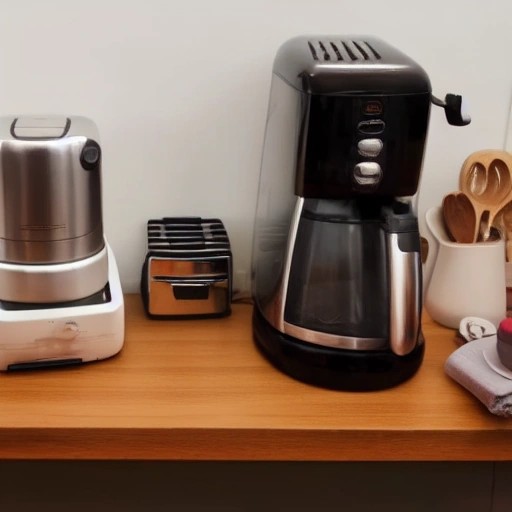
The back of the counter: Use a small baker’s rack or wire shelving unit for items you use daily. Your coffee maker, toaster, and stand mixer live here, not in a cabinet.
Above the refrigerator: This space is awkward and high, but perfect for items you use rarely. Holiday baking pans, large party platters, and overflow canned goods can live here.
The ceiling: If you have high ceilings, consider a pot rack that hangs from the ceiling over an island or peninsula. This keeps heavy cookware out of your cabinets entirely.
“A single ceiling pot rack can hold 8-12 pans and lids. That frees up an entire lower cabinet for food storage or small appliances.”
The Lazy Susan Fix for Corner Cabinets
Corner cabinets are the single biggest storage problem in most kitchens. The space is huge, but you cannot reach most of it. Lazy Susan turntables fix this completely. You can buy a two-tier turntable that spins independently on each level.
How to install a lazy Susan in a corner cabinet:
- Remove everything from the corner cabinet. Clean the shelf surface.
- Measure the diameter of the cabinet floor. You want a turntable 2-3 inches smaller than the cabinet.
- Place the turntable in the cabinet. Do not screw it down – it should spin freely.
- Start loading from the back. Place heavy items like canned goods on the outer edge.
- Test the spin before adding the second tier. The turntable should spin 360 degrees without hitting the cabinet walls.
A pro tip: Buy two smaller turntables instead of one large one. Place them side by side in a wide corner cabinet. This gives you more flexibility and makes cleaning between them easier.
Chart: How Much Space Different Solutions Actually Save
This chart shows the real-world space savings you can expect from each solution in a standard 36-inch wide base cabinet.
The chart shows that combining multiple solutions can more than double the usable space in a single cabinet. Going from 4.5 cubic feet to over 11 cubic feet is like adding a whole new cabinet to your kitchen.
Specific Solutions for Common Tight Spots
Under the Sink: The Most Wasted Cabinet
The space under your kitchen sink is usually a mess of cleaning supplies, trash bags, and leaky bottles. The pipes in the middle make it hard to use the full space.
The fix: Install a tension rod between the two cabinet doors. Hang spray bottles from the rod by their triggers. Add a small sliding basket on the floor for sponges and scrub brushes. Use an over-the-door rack on the cabinet door for trash bags and dish soap refills.
Narrow Pantry Cabinets
Some kitchens have a tall, skinny pantry cabinet that is only 9-12 inches wide. Standard shelves waste most of this space because cans and boxes do not fit well.
The fix: Remove the shelves and install pull-out baskets on tracks. These baskets roll out like drawers and give you full access to every inch. You can also use tiered can racks that slope downward so you always see the oldest cans first.
The Space Above Upper Cabinets
If your upper cabinets do not reach the ceiling, you have a dusty dead zone. This space can hold items you use rarely but want to keep in the kitchen.
The fix: Buy a set of matching baskets or fabric bins that fit the space. Store holiday platters, large roasting pans, or backup paper goods inside the bins. The bins hide the clutter and keep dust off your items. Do not store food here – the heat rising from cooking will spoil it faster.
Frequently Asked Questions About Limited Kitchen Cabinet Space
Q: How do I create more cabinet space without remodeling?
A: Use shelf risers, door racks, and pull-out drawers. Store pots on a ceiling rack. Move rarely used items out of the kitchen entirely.
Q: What kitchen items should I get rid of first?
A: Duplicate tools, gadgets with broken parts, unitaskers (items that do only one job), and anything you have not used in six months.
Q: Are expensive cabinet organizers worth the money?
A: Not usually. Start with $10-20 solutions like shelf risers and lazy Susans. Upgrade to expensive pull-out drawers only if you have deep cabinets and a bigger budget.
Q: How do I organize a cabinet full of mismatched plastic containers?
A: Throw away any container without a matching lid. Stack the remaining containers by size. Store lids upright in a small file organizer or a tension rod inside the cabinet.
Q: Can I add shelves to an existing cabinet?
A: Yes. Buy wire shelf inserts that sit on top of your existing shelf. Or install permanent wood shelves using L-brackets. Just measure carefully so lower items still fit.
Q: How do I store pot lids without taking up too much space?
A: Use a door-mounted wire rack, a vertical lid holder that sits on a shelf, or a pegboard on the wall. Do not stack lids on top of pots – that wastes vertical space.
Q: Is it safe to store heavy canned goods on high shelves?
A: No. Keep heavy items on lower shelves only. Upper cabinets should hold lightweight items like spices, measuring cups, and boxed foods. A falling can of beans can hurt someone badly.
Final Thoughts: Small Changes, Big Difference
You do not need a kitchen renovation to solve your cabinet space problems. Most solutions take less than an hour and cost under fifty dollars. Start with one cabinet – the one that frustrates you the most. Empty it, sort it, and add one simple organizer like a shelf riser or a door rack. Feel how much better that cabinet works now. Then move to the next cabinet next weekend. Within a month, your whole kitchen will feel larger, calmer, and easier to cook in.
What is the one cabinet in your kitchen that drives you crazy? Tell me in the comments – I will suggest a specific fix for that exact problem.
References: