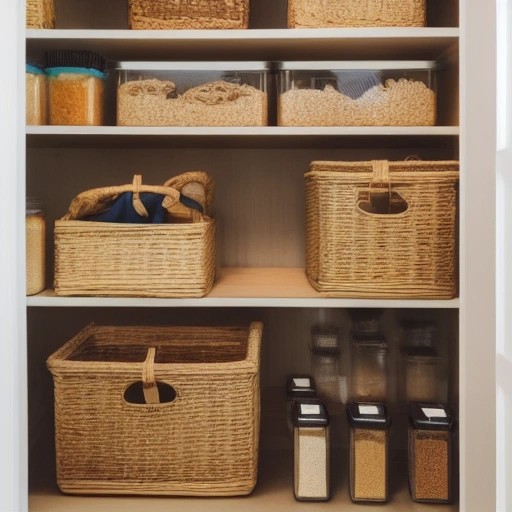
Pantry Getting Messy Fast How to Fix It: A Simple System That Actually Lasts
You spent two hours organizing your pantry last weekend, and now the cereal boxes are falling over, snack bags are spilling out, and you cannot find the black beans anywhere.
🟡 TL;DR
A messy pantry is not a sign of failure – it is a sign that your organization system does not match how your family actually eats. The fix is not more containers or labels. It is creating zones, using the “first in, first out” rule, and accepting that some mess is normal. This guide gives you a one-hour reset that stays clean for weeks, not days.
🔵 Key Takeaways
- Zone your pantry – Group similar items together instead of stacking everything randomly.
- Use clear containers – You cannot organize what you cannot see.
- Stop overfilling shelves – Leave 20 percent empty space for grabbing items easily.
- Check expiration dates monthly – Old food takes up space and creates mess.
- Accept the “messy middle” – A pantry used daily will never look perfect. That is fine.
The Real Reasons Your Pantry Gets Messy So Fast and How to Fix Them Permanently
You open your pantry door with hope. Inside, you see a jumble of half-open bags, cans stacked in weird directions, and that one box of pasta that fell over and spilled everywhere. It feels personal, like your pantry is fighting against you. But the truth is simpler: your current system does not work for real life.
Most pantry organization ideas you see on social media are fake. They show perfectly aligned jars and color-coded bins that look beautiful but fall apart the first time you grab a snack for a hungry toddler or come home with a haul of groceries. Real pantries get messy because real people use them. The goal is not perfection. The goal is a mess that takes 30 seconds to fix.
“Professional organizers call it the ‘one-touch rule’ – every item in your pantry should be reachable with one hand without moving anything else. If you have to dig, your system is broken.”
Why Your Pantry Falls Apart Within a Week
The number one reason pantry organization fails is that people try to store too many different shapes and sizes together. Round cans next to tall cereal boxes next to floppy bags of rice. Nothing stacks neatly. Nothing stays put. When you pull out one item, three others fall over.
Another hidden problem is not enough boundaries. When a shelf has no dividers or bins, items slowly drift across the surface. The soup cans migrate into the snack zone. The baking supplies take over the canned vegetable area. Within days, everything is mixed up again.
A mindset shift: Your pantry is not a museum. It is a working storage space. If it looks perfect all the time, you are probably spending too much time fixing it and not enough time cooking.
The One-Hour Pantry Reset Method
This system works for any pantry – from a tiny apartment cupboard to a large walk-in room. Follow these steps in order. Do not skip the purge step. Old food is your enemy.
Step 1: Pull everything out (10 minutes)
Take every single item out of your pantry. Put it on your kitchen counter, dining table, or floor. Yes, all of it. You need to see the full picture. A messy pile on your counter is temporary. A messy pantry is permanent until you do this.
Step 2: Check expiration dates (15 minutes)
Go through every item. Look for expired food, stale spices, and mystery cans without labels. Throw away anything that is bad. Make a separate pile for food you will never eat but is still good – this goes to a food bank or a neighbor.
“The average American pantry contains 15 items that are past their expiration date. That is 15 things taking up space and feeding nothing.”
Step 3: Wipe down shelves (5 minutes)
With the pantry empty, wipe every shelf with a damp cloth. Crumbs and sticky spills attract bugs and make new messes stick. Do not skip this step. A clean surface makes everything stay in place better.
Step 4: Create your zones (10 minutes)
Decide on 4-6 categories for your pantry. Common zones include:
- Canned goods – Vegetables, beans, soups, tomatoes
- Breakfast – Cereal, oatmeal, granola bars, pancake mix
- Baking – Flour, sugar, chocolate chips, baking powder
- Snacks – Chips, crackers, nuts, dried fruit
- Pasta and rice – Boxed and bagged dry goods
- Oils and vinegars – If you store these in the pantry
Assign each zone to a specific shelf or section of a shelf. Do not mix zones. Ever.
Step 5: Add boundaries (5 minutes)
Use bins, baskets, or even cardboard boxes cut to size to create edges. Each zone gets its own container or clearly marked area. The boundaries keep items from sliding into other zones.
Step 6: Load strategically (10 minutes)
Put items back following two rules:
- Heavy items on lower shelves – Cans, jars, and bottles go low.
- First in, first out – Move older items to the front. New items go behind them.
Step 7: Label everything (5 minutes)
Use a simple label maker or masking tape and a marker. Label each bin and each shelf zone. Labels are not just for looks – they tell everyone in your home where things belong.
The Best Containers for Pantry Organization
Not all containers work well in a pantry. Here is what actually helps versus what looks pretty but fails.
What works well:
- Clear, square or rectangular bins – They fit together without wasted space. Being clear means you see what is inside.
- Wide-mouth glass jars – Great for flour, sugar, rice, and pasta. The wide mouth fits measuring cups.
- Tiered can racks – These slope downward so you always see and grab the oldest can first.
- Lazy Susans – Perfect for oils, vinegars, and hot sauces in corner spaces.
What to skip:
- Opaque baskets – You cannot see what is inside, so you will forget you own things.
- Round containers – They waste space between them. Square containers fit together without gaps.
- Container sets that do not stack – If the lids are bulky or the shapes are weird, they create more problems than they solve.
A budget tip: You do not need expensive containers. Use shoeboxes covered in contact paper, plastic takeout containers, or inexpensive bins from a dollar store. The container does not matter. The system does.
How to Stop the Mess Before It Starts
The best pantry organization in the world will fail if you do not change a few daily habits. These five rules take almost no extra time but keep your pantry from exploding again.
The grocery shopping rule
When you come home from the store, do not just shove new items anywhere. Take two extra minutes to put new items behind old ones. This “first in, first out” habit alone cuts food waste in half.
The five-second tidy
Every time you take something from the pantry, spend five seconds pushing the items around it back into place. If you grab a can of beans, straighten the two cans next to it. This tiny habit keeps mess from building up.
The weekly check
Every Sunday, spend two minutes looking at your pantry. Remove any empty boxes or bags. Wipe up any spills. Move items that have drifted out of their zone back where they belong.
The one-in, one-out rule
Before you buy a new box of cereal or a new jar of pasta sauce, finish the old one first. If you want to try a new snack, finish the current snack before opening the new one. Partial packages create clutter.
The expiration date sweep
On the first of every month, scan your pantry for expired items. This takes three minutes. Throw away anything that is past date. Move items that expire soon to the front of the shelf.
Comparison Table: Pantry Organization Methods
| Method | Time to Set Up | Maintenance Level | Best For | Cost |
|---|---|---|---|---|
| Zone + bin system | 1-2 hours | Low (weekly 2-min tidy) | Most households | $20-60 |
| Labeled glass jars | 2-3 hours | Low (refill as needed) | Bulk buyers, bakers | $50-150 |
| Tiered can racks only | 30 minutes | Very low | Canned food heavy households | $15-40 |
| Open shelves (no bins) | 15 minutes | High (daily straightening) | Minimalist kitchens | $0 |
| Pull-out drawer pantry | 1 day (installation) | Very low | Deep pantries, mobility issues | $100-500 |
Chart: How Much Time You Waste in a Disorganized Pantry
This chart shows the weekly time cost of a messy pantry versus an organized one.
The chart shows that a messy pantry costs you nearly an hour of searching time each week. An organized pantry costs about 10 minutes per week. That is 50 minutes saved – time you could spend actually cooking.
Specific Fixes for Common Pantry Problems
The Snack Zone Disaster
Snacks are the messiest part of any pantry. They come in floppy bags, half-empty boxes, and weird shapes that do not stack. One bag of chips falls over and suddenly everything is chaos.
The fix: Use a single, deep bin for all snack bags. Do not try to stand them up – lay them flat like files in a drawer. Put the bin on a low shelf so kids can reach their own snacks. When the bin gets messy, you just pull out the whole bin, fix it on the counter, and slide it back in.
“A dedicated snack bin reduces pantry mess by 40 percent in homes with children. Kids can dig without ruining the whole shelf.”
The Can Stacking Nightmare
Cans are heavy and round. Stacking them more than two high is dangerous and unstable. They roll off and hit toes. They fall and dent. They create a mess every time.
The fix: Buy a tiered can rack that holds cans in a single layer but on a slope. You load new cans at the top back. Old cans roll down to the front bottom. This keeps your cans organized without stacking. If you have more cans than fit on the rack, you have too many cans. Stop buying more until you use what you have.
The Open Bag Problem
Once you open a bag of flour, rice, or pasta, the original packaging is useless. It does not close tightly. It spills. It attracts bugs.
The fix: Transfer opened dry goods into clear, airtight containers immediately. Label each container with the item name and the date you opened it. This keeps food fresh, prevents spills, and lets you see at a glance how much you have left.
A safety reminder: Do not store flour, sugar, or rice in the original paper bags. Pantry moths and weevils can chew through paper. Glass or hard plastic containers with tight seals keep bugs out.
Frequently Asked Questions About Pantry Organization
Q: How often should I completely reorganize my pantry?
A: Do a full pull-everything-out reset once every three months. Do a quick expiration date check monthly. Do a 5-second tidy every time you use it.
Q: What is the best way to organize a small, shallow pantry?
A: Use door-mounted racks for spices and small jars. Install narrow pull-out baskets for cans. Store tall items like cereal boxes on the top shelf so they do not block your view of lower shelves.
Q: How do I stop my family from messing up the pantry?
A: Labels help. Bins help. But the real answer is accepting that some mess is normal. Focus on systems that are easy to reset, not systems that stay perfect.
Q: Should I transfer everything to glass jars?
A: Only for items you use regularly. Glass jars are great for flour, sugar, pasta, and rice. They are overkill for canned goods, boxed mixes, or items you use once a month.
Q: How do I organize a deep pantry shelf?
A: Never put items directly on a deep shelf. Use pull-out baskets, sliding drawers, or lazy Susans. If you cannot reach the back without moving the front, the back might as well be empty.
Q: What is the fastest way to find expired food in my pantry?
A: Pull everything out once per season. Check each can and box. If you want to be faster, use a permanent marker to write the expiration date in large numbers on the front of every item when you buy it.
Q: Can I use my pantry for non-food items?
A: It is better not to. Paper towels and cleaning supplies belong under the sink or in a utility closet. Food and non-food items should be stored separately for safety and hygiene.
Final Thoughts: Your Pantry Should Work for You, Not the Other Way Around
A pantry that gets messy fast is not a personal failure. It is a design problem. The solution is not more discipline or more expensive containers. It is creating zones, using visible storage, and building small habits that take almost no time. Give yourself permission to have a pantry that looks lived-in. The goal is not perfection. The goal is a space where you can find what you need in under 10 seconds and put it back in under 5 seconds. That is real organization.
What is the messiest corner of your pantry right now? Tell me in the comments – I will suggest a specific fix for that exact problem.
References: