How to Turn a Kitchen Cabinet Into a Functional Pantry: Easy Guide
That cluttered cabinet you barely use? With a few smart changes, it could become the most organized spot in your kitchen.
TL;DR
You can turn almost any kitchen cabinet into a functional pantry without a full remodel. Start by picking the right cabinet, clearing it out, and measuring your space. Add adjustable shelves, pull-out drawers, lazy Susans, and door organizers to maximize every inch. Use clear containers and create zones for easy access. Freestanding cabinets, thrifted furniture, or even repurposed TV armoires work great for renters and homeowners alike.
Key Takeaways
- Pick a cabinet close to your cooking area for convenience — accessibility matters
- Clear containers and canisters keep food fresh and visible at a glance
- Pull-out shelves and lazy Susans eliminate the “black hole” problem in deep cabinets
- Door-mounted racks add storage without taking shelf space
- Zones help everyone find items quickly and put them back properly
Why a Cabinet Can Be Your Best Pantry
Most kitchens have at least one cabinet that’s underused — either too deep, too tall, or just awkward. Instead of fighting it, turn it into a functional pantry. The best part? This works for everyone: homeowners, renters, and even people with no built-in pantry at all .
You can transform a single cabinet, a whole section of cabinets, or even repurpose a freestanding piece like a bookshelf or TV armoire into a pantry . The key is smart planning and the right organizers.
Step-by-Step Guide to Cabinet-to-Pantry Conversion
Step 1: Choose the Right Cabinet
Start by identifying which cabinet will become your pantry. Look for one that’s:
- Close to where you cook and prep meals
- Tall enough to hold larger items
- Easy to access daily
If your kitchen doesn’t have a suitable built-in cabinet, consider alternatives. A TV armoire from the 80s or 90s can be sanded, painted, and fitted with shelves for under $50 . Thrift stores and Facebook Marketplace are gold mines for these .
Even a 12-inch-wide gap at the end of cabinets can become a built-in pantry with some creative DIY work .
Step 2: Empty and Declutter
Take everything out of the cabinet. Check expiration dates — most pantries have at least a few items that have been forgotten for months or years. Sort your food into categories: baking supplies, canned goods, snacks, breakfast items, pasta and grains, spices .
Do this after a full grocery trip so you know exactly how much storage you need .
Step 3: Measure Your Space
Measure the width, depth, and height of your cabinet. Note the distance between fixed shelves. Write these numbers down before buying any organizers .
The National Kitchen and Bath Association recommends shelf depths of 10–14 inches for easy access — deeper shelves can hide items in the back .
Step 4: Adjust or Add Shelves
If your cabinet has adjustable shelves, move them to create the right gaps for your items:
- 6–8 inches for spices and small jars
- 10–12 inches for cereal boxes and canned goods
- 14–18 inches for bulky items and tall bottles
For cabinets without adjustable shelves, you can add new ones using a shelf pin jig to drill holes at different heights . Or try adjustable wire shelving, which is sturdy and flexible .
Step 5: Add Smart Organizers
This is where the magic happens. Add organizers that make your pantry functional:
Pull-out drawers: These turn deep cabinets into accessible storage. You slide them forward and grab what you need .
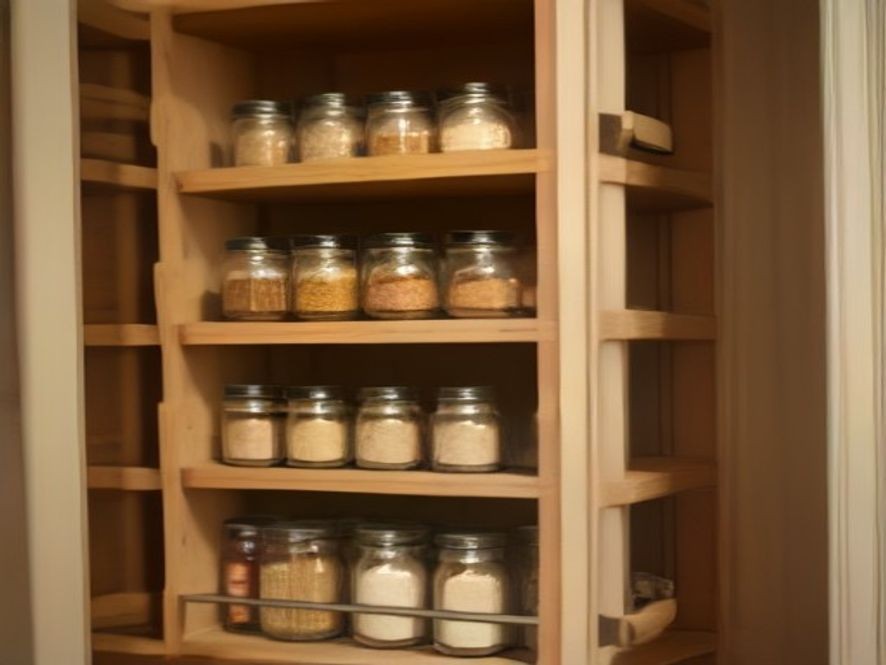
Lazy Susans: Perfect for oils, sauces, and condiments in corner cabinets or deep shelves .
Tiered risers: Create stadium-style seating for canned goods so nothing hides behind taller items .
Door-mounted racks: The back of the cabinet door is prime real estate for spices, foil, and small items .
Step 6: Use Clear Containers and Canisters
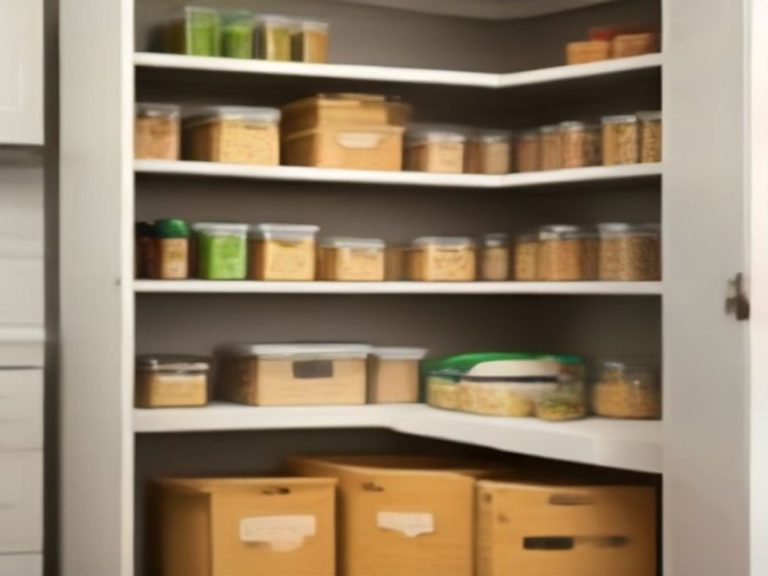
Transfer dry goods like flour, sugar, pasta, and rice into clear, airtight containers. This does three things:
- You can see exactly what you have at a glance
- Stackable shapes use shelf space more efficiently
- Airtight seals keep food fresher longer
If you’re on a budget, clean and remove labels from used glass jars to store beans, rice, and other dry goods .
Step 7: Create Zones
Divide your cabinet pantry into zones based on how you use items :
- Dry goods zone: Pasta, rice, flour, sugar
- Snack zone: Crackers, nuts, granola bars
- Breakfast zone: Cereal, oats, coffee, tea
- Cooking zone: Oils, spices, sauces
- Baking zone: Baking soda, chocolate chips, sprinkles
Place daily-use items at eye level and heavier items on lower shelves . Put less-used items up high.
Step 8: Label Everything
Labels help everyone in the household find items and put them back correctly. Use a label maker, chalkboard labels, or even a China marker (grease pencil) that wipes off when you want to change it .
Alternative Cabinet-to-Pantry Ideas
Repurpose Freestanding Furniture
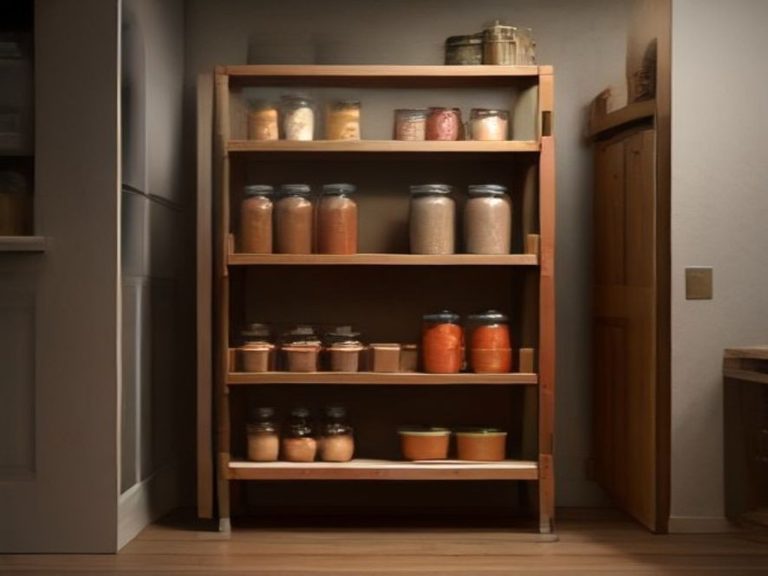
A bookshelf, hutch, or old TV armoire can become a pantry with some simple updates :
- Clean and sand the piece
- Paint or stain to match your kitchen
- Add extra shelves if needed
- Line the inside with contact paper
- Add organizers and containers
This works especially well for renters since it’s portable and doesn’t damage walls .
Hidden Pantry Behind Cabinet Doors
Create a seamless look by designing a wall of cabinets that conceals a full pantry behind regular-looking doors. This “Narnia for cooking supplies” keeps your kitchen looking clean and uncluttered .
Under-Counter Pantry Drawers
Deep drawers under your counter can store heavy items like flour bags and canned goods within easy reach .
Rolling Pantry Cabinet
Freestanding rolling cabinets are flexible and perfect for small kitchens. Tuck them in while cooking and roll them out when you need extra counter or storage space .
Comparison of Storage Solutions
| Organizer | Best For | Effectiveness | Difficulty Level | Cost |
|---|---|---|---|---|
| Pull-out drawers | Deep cabinets, heavy items | Very High | Moderate | $30-80 |
| Lazy Susans | Corners, sauces, oils | High | Very Easy | $10-20 |
| Tiered risers | Canned goods, jars | High | Very Easy | $5-15 |
| Clear containers | Dry goods | High | Very Easy | $2-10 |
| Door-mounted racks | Spices, small items | Medium | Very Easy | Under $20 |
| Adjustable shelves | All items | Very High | Moderate | Varies |
DIY Project: Thrifted Cabinet to Pantry
If you don’t have a spare cabinet, try this budget-friendly approach:
- Find a piece: Visit thrift stores, flea markets, or Facebook Marketplace for a bookshelf, TV armoire, or cabinet .
- Clean thoroughly: Use soapy water and let it dry completely .
- Sand: Use 120-grit sandpaper to roughen the surface so new paint sticks well .
- Paint or stain: Choose a color that matches your kitchen or creates an accent piece. Use satin or semi-gloss for durability .
- Add contact paper: Line shelves and the interior back to protect the finish .
- Install organizers: Add spice racks, turntables, and baskets to make it functional .
- Add lighting: Battery-operated LED puck lights make it easy to find items .
The total cost can be under $100, which is far less than custom cabinetry or a professional remodel .
FAQ: Cabinet-to-Pantry Conversion
1. Can I turn a small cabinet into a pantry?
Yes. Use slim organizers like pull-out drawers, door racks, and tiered risers to maximize vertical space .
2. What’s the best way to organize deep cabinet shelves?
Pull-out drawers and lazy Susans are the most effective solutions. They eliminate the “black hole” problem by bringing items forward .
3. Can renters use these ideas?
Absolutely. Freestanding furniture, over-the-door racks, and removable organizers are all renter-friendly .
4. How do I make a cabinet pantry look good?
Use matching clear containers, labels, and consistent organizers. For freestanding pieces, paint or stain to match your kitchen .
5. What’s the cheapest cabinet-to-pantry solution?
Repurpose a piece you already own — a bookshelf, hutch, or TV armoire. Add contact paper and organizers for under $30 total .
Start Your Cabinet Pantry Today
Turning a kitchen cabinet into a functional pantry doesn’t require a big budget or professional skills. Start with one cabinet, add the right organizers, and create zones that make sense for how you cook. Once you experience the ease of finding everything at a glance, you’ll wonder why you waited so long.
Which cabinet in your kitchen is begging to become a pantry? Share your thoughts in the comments.
How to Turn a Kitchen Cabinet Into a Functional Pantry: Easy Storage Solutions for Small Kitchens