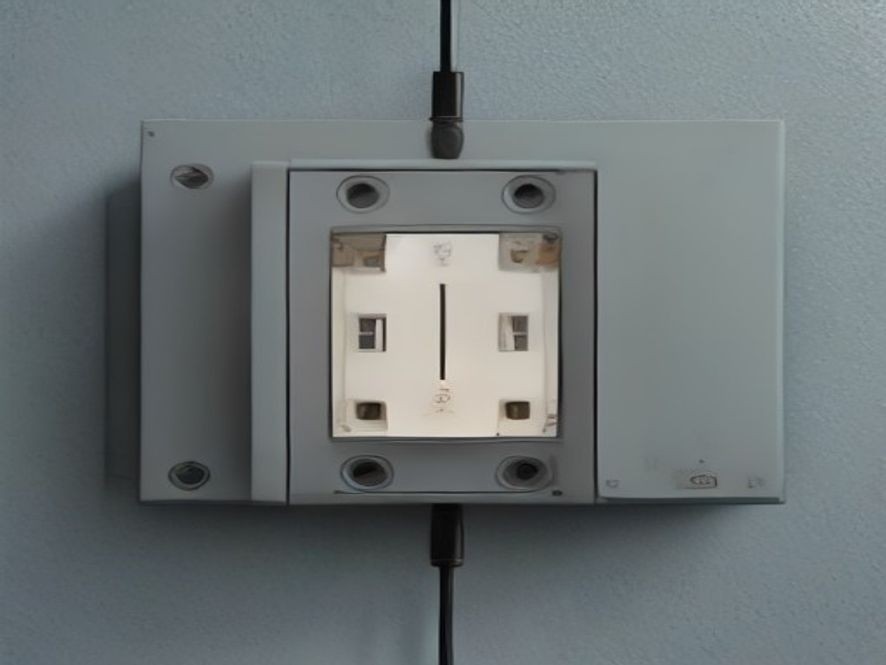
Why Are My Kitchen Appliances Suddenly Not Working? What to Check First
You walk into your kitchen, and nothing works—or maybe just one appliance is dead—and you’re left wondering if you’re facing expensive repairs or a complete kitchen overhaul.
When kitchen appliances stop working suddenly, it’s easy to panic. But here’s the truth: most sudden appliance failures have simple, easy-to-check causes that don’t require a repair technician. Before you call for help or start shopping for replacements, there are several things you can check yourself that might get your kitchen back up and running in minutes.
TL;DR
- Power supply issues cause most sudden appliance failures—check the outlet, circuit breaker, and power cord first
- A single dead appliance usually means a local problem; multiple dead appliances often point to a tripped breaker or GFCI issue
- Simple resets fix many problems—unplugging for a few minutes can clear electronic glitches
- Safety features like door switches and thermal fuses can shut appliances down—these are often easy to fix
- Always unplug appliances before cleaning or inspecting them
Key Takeaways
- Check the simplest things first—it sounds obvious, but many people skip plugging in, outlet testing, and breaker checking
- GFCI outlets in kitchens are designed to trip when they detect moisture; they’re a common reason for dead appliances
- Reset buttons on appliances (like garbage disposals and some refrigerators) can bring a dead unit back to life
- A power surge can trip internal fuses—unplugging and waiting often resets the electronics
- Know when to call a professional—if the appliance sparks, smokes, or the breaker keeps tripping, stop and get help
The Real Causes Behind Sudden Appliance Failure and How to Fix Them
When an appliance stops working, the cause is often simpler than you’d expect. Understanding these common culprits will save you time and money.
Why a Simple Power Issue Is the Most Likely Cause
The most common reason for a sudden appliance failure is a power problem—whether it’s a tripped circuit breaker, a faulty outlet, or a loose cord . Before doing anything else, run through these basic checks.
Check the Outlet:
- Plug a lamp or phone charger into the same outlet. If it works, the outlet is fine, and the problem is in the appliance itself.
- If it doesn’t work, try plugging your appliance into a different outlet in your kitchen or a nearby room. This tells you if it’s an outlet issue.
Check the Circuit Breaker:
- Head to your electrical panel (usually in a basement, garage, or utility room) and look for a breaker that’s in the “off” position or sitting halfway.
- Flip it fully off, then back on.
- If it trips again immediately, you have a serious electrical issue that needs professional attention.
Check the Power Cord:
- Inspect the cord for any visible damage, fraying, or signs of burning.
- Make sure it’s firmly plugged into the wall. Plugging in toaster ovens or similar appliances can be stiff, so check them carefully .
- If the cord is damaged, the appliance needs professional repair or replacement.
These checks take just a few minutes and solve a surprising number of “broken” appliance issues.
How GFCI Outlets Can Trip Without You Noticing
Kitchens are required to have GFCI (Ground Fault Circuit Interrupter) outlets near water sources . These outlets have a built-in safety feature: they trip and cut power if they detect even a tiny amount of moisture.
Sometimes GFCI outlets trip without you noticing, leaving your appliances dead. Look for an outlet in your kitchen with “Test” and “Reset” buttons . Press the “Reset” button firmly. If it clicks and stays in, power should be restored to any appliances plugged into that outlet and any others downstream of it.
A GFCI tripping can affect multiple outlets on the same circuit; if an appliance isn’t working, pressing the reset button on a nearby GFCI outlet might resolve the issue .
When Multiple Appliances Stop Working at Once
If more than one appliance in your kitchen is dead, the problem is likely upstream from the appliances themselves. Here’s what to check:
Tripped Main Breaker: The entire kitchen might be on one circuit. Check all the breakers, not just the ones labeled “kitchen.” Sometimes a labeled breaker won’t be the one that trips; look for any breaker in the off position regardless of its label .
Kitchen Sub-Panel: Some homes have a separate electrical panel specifically for kitchen appliances. Check both your main panel and any sub-panels you may have.
GFCI Chain Reaction: A single tripped GFCI outlet can cut power to several other outlets on the same circuit. The one that tripped might not be the one your appliance is plugged into—check all GFCI outlets in your kitchen and even nearby bathrooms or laundry rooms.
Why Appliance Resets Can Fix Electronic Glitches
Modern appliances have electronic control boards that sometimes freeze or glitch, like a computer. If your appliance has power but isn’t responding correctly, try a hard reset :
- Unplug the appliance or turn off the circuit breaker
- Wait 2–5 minutes to let internal capacitors discharge
- Plug back in or turn the breaker back on
- Test the appliance
Specific reset tips:
- Garbage Disposal: Look for a small red “Reset” button on the bottom or side; press it if the disposal hums but doesn’t spin
- Refrigerator: Some models have a reset button; otherwise, unplugging often works
- Microwave: A simple unplug-and-wait often clears error codes
- Dishwasher: Some models have a “Cancel/Drain” function that resets the cycle
A reset is often the solution for appliances that randomly stopped working or are stuck on a specific setting.
Hidden Safety Switches That Shut Appliances Down
Door Switches and Interlocks:
Many appliances have safety door switches that prevent operation when the door or cover is open:
- Microwaves won’t heat if the door isn’t fully closed
- Dishwashers won’t start if the door latch isn’t secure
- Washing machines have similar safety interlocks
If an appliance is dead or unresponsive, open and firmly close its door to ensure the safety switch is engaged. A door switch can be dirty or misaligned; sometimes even cleaning the latch area is a quick fix that resolves the issue.
Thermal Fuses:
Appliance power cords often have a thermal fuse designed to protect the unit from overheating . If the appliance overheated (from a blocked vent, running too long, etc.), this fuse can blow. Many thermal fuses can be reset by unplugging the unit and letting it cool for 15–30 minutes.
What to Do When Appliances Run But Aren’t Working Properly
If the appliance has power but isn’t doing what it should, the problem is usually specific to that appliance. Here’s a quick guide:
| Appliance | Symptoms | Common Cause |
|---|---|---|
| Stove/Oven | Burners won’t heat or oven is cold | Faulty heating element or control switch |
| Microwave | Runs but doesn’t heat | Failed magnetron or diode |
| Refrigerator | Runs but isn’t cooling | Dirty coils, blocked vents, or failed compressor |
| Dishwasher | Runs but doesn’t clean | Clogged filter or spray arms |
| Garbage Disposal | Hums but doesn’t grind | Jammed—use the reset button and an Allen wrench to free it |
Step-by-Step Quick Fix Guide
Start here and work through these steps:
Step 1: Plug It In Properly
It happens to everyone—the plug has been bumped loose. Make sure it’s fully inserted in the outlet.
Step 2: Test the Outlet
Plug in a phone charger or lamp to see if the outlet is working. If not, proceed to Step 3.
Step 3: Check the Breaker
Go to your electrical panel and look for any tripped breaker—not just the one labeled for your kitchen. Reset any tripped breakers.
Step 4: Check GFCI Outlets
Find and press the “Reset” button on any GFCI outlet in or near your kitchen. This includes outlets in adjacent rooms that might be on the same circuit.
Step 5: Do a Power Reset
Unplug the appliance for at least 2–5 minutes, then plug it back in. This resets internal electronics.
Step 6: Check the Appliance Door
Make sure the door or cover is fully closed and latched properly. Clean the door seal if needed.
When to Stop and Call a Professional
Immediately call a licensed electrician or appliance technician if you notice:
- Sparking or arcing from the outlet or appliance
- Smoke or a burning smell
- The circuit breaker trips again immediately after you reset it
- Melting plastic or scorch marks around the outlet or plug
- The GFCI won’t reset—this indicates a ground fault in the circuit
Never attempt to bypass safety features or open up electrical components yourself. Your safety is always worth more than a DIY attempt.
Frequently Asked Questions
What are the common reasons kitchen appliances stop working suddenly?
The most common reasons are a tripped circuit breaker, a tripped GFCI outlet, a loose power cord, or a faulty outlet. Checking these first solves many “broken” appliance issues .
Why would multiple kitchen appliances stop working at the same time?
If several appliances died at once, the problem is likely upstream—a tripped breaker, a tripped GFCI outlet, or a problem with the main electrical supply .
What is a GFCI and why does it trip in the kitchen?
A GFCI (Ground Fault Circuit Interrupter) is a special outlet that cuts power if it detects moisture or a ground fault. They’re required in kitchens and can trip from something as small as a drop of water .
How do I reset a kitchen appliance?
Unplug the appliance for 2–5 minutes to reset internal electronics. For garbage disposals, press the reset button on the unit. For refrigerators with digital controls, look for a reset sequence in the manual .
Should I call a professional for an appliance that suddenly stopped working?
Start with the simple checks—breaker, outlet, GFCI, and reset. If none of those work and you’ve ruled out a general power problem, call a professional .
Prevention Tips
To minimize sudden appliance failures:
- Plug major appliances into dedicated circuits whenever possible
- Use surge protectors for sensitive electronics like microwaves and refrigerators
- Keep appliance cords away from heat and sharp edges
- Don’t overload circuits—running too many appliances at once can trip breakers
- Regularly check and reset GFCI outlets to ensure they’re working properly
When kitchen appliances stop working suddenly, panic is natural. But in most cases, the fix is simple and free. Start with the basics: check the plug, test the outlet, inspect the breaker, and reset any GFCI outlets. These quick checks solve a remarkable number of kitchen appliance problems and might save you a service call.
Which kitchen problem do you want solved next? Share your thoughts in the comments.
Trusted home appliance and electrical safety resources for troubleshooting: