How to Remove Grease From the Wall Behind a Kitchen Stove: Best Cleaning Guide and Solutions
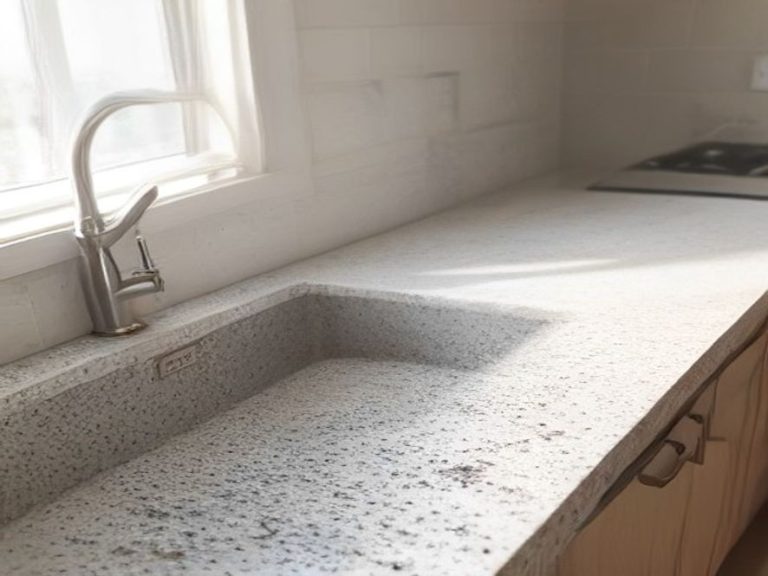
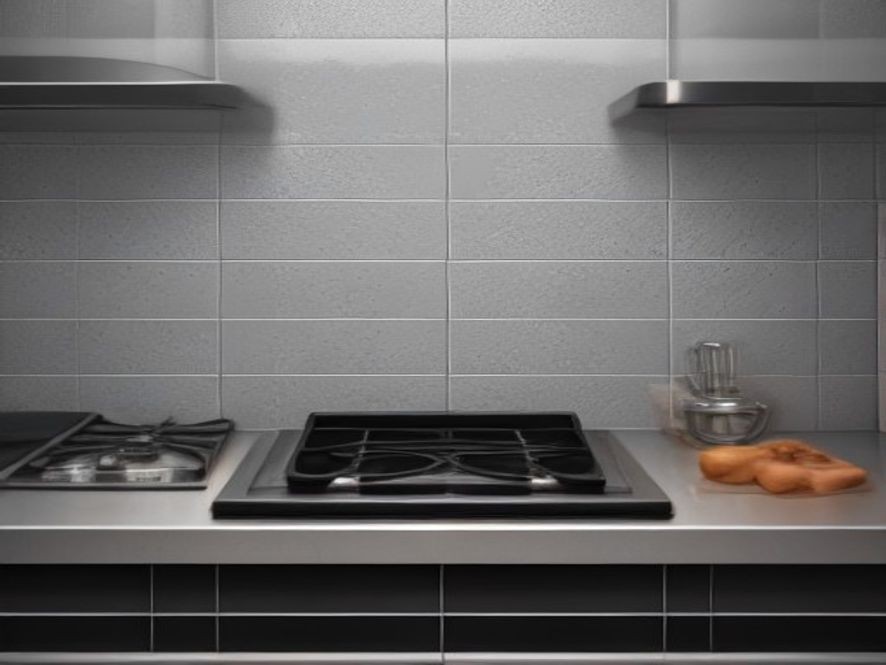
That sticky, yellowish film creeping up the wall behind your stove is a common kitchen problem that can make your entire cooking space feel dingy and hard to clean.
You know the scene. You’re washing dishes after a big dinner, and your eyes drift to the wall behind the stove. You see it—a faint, tacky sheen that’s slowly turning into a yellowish patch. If you run your finger along it, it feels sticky and leaves a greasy residue behind. Cooking splatters and airborne oil particles have settled on the wall, and if you don’t tackle them the right way, you’ll just spread the grime around instead of actually removing it .
TL;DR
- Start Gentle: The best method is warm water with a few drops of dish soap. It’s designed to cut through grease .
- Stubborn Stains: For built-up grease, use a paste of baking soda and water. Let it sit for 5–10 minutes before wiping .
- Know Your Paint: Semi-gloss and satin paints can handle more cleaning. Flat or matte paints need a gentle touch .
- Golden Rule: Always test a cleaner on a small, hidden spot before using it on the main area .
- Pro Tip: Let the cleaner do the work. Scrubbing too hard can damage the paint .
Key Takeaways
- Grease Builds Up Over Time: Airborne cooking oils stick to walls, especially behind the stove, and attract dust .
- Dish Soap is Your Best Tool: It’s a mild but effective degreaser that’s safe for most painted surfaces .
- Avoid Harsh Scrubbing: Using too much pressure can polish the paint and leave a dull patch or even remove the finish .
- Different Walls Need Different Approaches: Tile is easy to clean, but painted and wallpapered walls require special care .
- Rinse and Dry Are Essential: Leaving soap residue behind will attract more dust and make the wall look dirty again .
The Best Ways to Remove Grease from Behind Your Stove
Grease behind the stove is a combination of cooking oil, smoke residue, kitchen dust, and humidity . Once it cools, it sticks to paint and builds up in layers, which is why wiping it with a dry cloth does almost nothing.
Step 1: Start with the Easiest Method
For most kitchen walls, the least aggressive option is often the best. Warm water and dish soap cut through grease without damaging the paint .
- Prepare the solution: Mix warm water with a few drops of mild dish soap in a bowl .
- Dampen the cloth: Dip a soft microfiber cloth into the soapy water. Wring it out well so it’s damp, not soaking wet .
- Wipe gently: Wipe the wall in small circles or in the direction of the paint grain, from top to bottom .
- Rinse: Use a second cloth dampened with clean water to wipe away any soapy residue .
- Dry: Immediately dry the area with a clean towel. This prevents streaks and water marks .
Step 2: Tackle Stubborn, Sticky Buildup
If the grease has been there a while and the soapy water isn’t cutting through it, try one of these methods.
Baking Soda Paste:
Baking soda is a gentle abrasive that lifts stubborn stains without scratching the paint .
- Mix baking soda with water to form a thick paste .
- Apply the paste to the greasy spots and let it sit for 5–10 minutes .
- Gently wipe with a soft cloth in small circles .
- Rinse with a damp cloth and dry thoroughly .
Vinegar Solution:
White vinegar cuts through grease naturally. Its acidity breaks down oil without harming the paint .
- Mix equal parts white vinegar and warm water in a spray bottle .
- Spray the solution on the greasy area and let it sit for a minute or two .
- Wipe with a soft cloth .
- Rinse with a damp cloth and dry well .
You can mix a small amount of dish soap with the vinegar solution for extra power. For very old grease, a commercial degreaser may be the best choice .
Comparison of Grease Removal Methods
| Method / Solution | Best For | Effectiveness on Grease | Effort | Cost |
|---|---|---|---|---|
| Warm Water + Dish Soap | Light to moderate, fresh grease | High | Easy | Very Low |
| Baking Soda Paste | Stubborn spots and heavy buildup | Very High | Moderate | Very Low |
| Vinegar Solution | Tacky film and old stains | High | Easy | Very Low |
| Commercial Degreaser | Very heavy, old grease | Highest | Easy to Moderate | Medium |
How to Prevent Future Grease Build-Up
- Wipe down regularly: After cooking, quickly wipe the area behind the stove with a damp cloth .
- Use your exhaust fan: Turn on your range hood while cooking to vent oil particles before they settle on the wall .
- Deep clean monthly: A monthly wipe-down prevents a sticky film from building up .
FAQ
What is the best way to remove grease from kitchen walls?
The best way is to start with warm water and a few drops of dish soap. It’s a safe and effective degreaser for most painted walls .
Can I use vinegar to clean grease off walls?
Yes. A solution of equal parts white vinegar and warm water cuts through grease and removes sticky film .
Is baking soda safe to use on painted walls?
Yes. Baking soda is a mild abrasive that lifts stubborn stains without scratching paint .
Can I use a Magic Eraser on my kitchen walls?
You can, but be careful. Magic Erasers are abrasive and can dull or remove paint if you scrub too hard .
What should I never use on kitchen walls?
Avoid steel wool, heavy-duty brushes, bleach, and ammonia. They can damage paint or wallpaper .
Why does the wall behind my stove get greasy?
Cooking releases tiny oil particles that settle on the wall, especially where there’s heat. Over time, this creates a sticky film .
Keep your kitchen clean with trusted advice from these home experts:
- Real Simple: Home Cleaning Solutions
- Good Housekeeping: Home and Kitchen Care
- The Kitchn: Practical Kitchen Tips
Which kitchen cleaning challenge do you want tackled next? Share your thoughts in the comments.