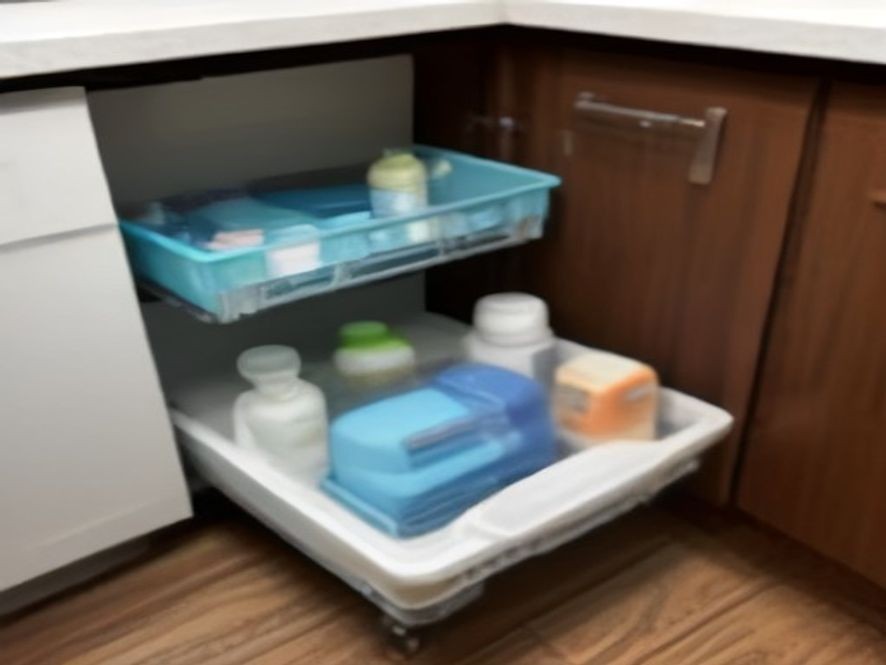
How to Store Cleaning Supplies Under a Small Kitchen Sink: Smart Storage Guide
That moment you open the cabinet under your sink and a bottle of cleaner topples out, followed by a cascade of sponges, gloves, and mystery items.
If you’ve ever dreaded reaching under your kitchen sink, you’re not alone. That awkward space with pipes running through it somehow becomes a dumping ground for every bottle and brush in the house. The good news is that with a few smart strategies, you can transform this chaotic spot into an organized, functional storage zone .
TL;DR
- Empty and Sort: Pull everything out and decide what actually belongs under the sink—keep daily cleaners and tools, move bulk items elsewhere .
- Measure Carefully: Pipes take up real space, so measure around plumbing before buying organizers .
- Think Up and Out: Use the door, cabinet sides, and vertical space with tension rods, hooks, and stackable bins .
- Group by Job: Store items by task—dishwashing supplies in one bin, surface cleaners in another .
- Protect the Cabinet: A waterproof mat catches drips and prevents wood damage from leaks .
Key Takeaways
- Start Fresh: Empty the cabinet completely and clean it before organizing—you’ll know exactly what you’re working with .
- Work Around Pipes: Use adjustable shelves with cutouts, sliding drawers, or separate small bins that fit around plumbing .
- Hang Spray Bottles: A tension rod across the cabinet lets you hang bottles by their triggers, freeing up floor space .
- Use the Door: Add racks, hooks, or adhesive pouches to the inside of the cabinet door for sponges, gloves, and small items .
- Protect Against Leaks: A waterproof tray or mat on the cabinet floor is essential—it catches drips and prevents warping .
Why Under-Sink Cabinets Get So Chaotic
The space under your sink has built-in challenges. Pipes cut through the middle, leaving awkward corners on both sides . The cabinet floor might be damp or dusty. And if you don’t plan around the plumbing, you end up with bottles that tilt, fall over, or get lost in the back .
The biggest mistake people make? Treating the under-sink space like a dumping ground for every bottle in the house . That’s how you end up with duplicate sprays, old gloves, and a mystery container with faded labels. A crowded cabinet also hides leaks—a slow drip can go unnoticed for weeks.
Kitchen safety matters here too. Keep cleaning supplies where they’re accessible but out of the reach of children, and never store food or medications under the sink due to humidity and potential leaks .
Step-by-Step: How to Fix Your Under-Sink Storage
Step 1: Empty and Assess
Pull everything out. Yes, everything. This is the step people skip, and it’s why the cabinet gets crowded again within weeks .
Keep under the sink :
- Daily-use cleaners (dish soap, all-purpose spray, glass cleaner)
- Sponges, scrub brushes, and microfiber cloths
- Dish soap or hand soap refills you use weekly
- Trash bags and dishwasher pods in sealed containers
Move elsewhere :
- Bulk paper towels (store in a pantry or closet)
- Extra bottles you haven’t used in months
- Anything that leaks or has a damaged cap
- Medications or food items (humidity can spoil them)
Tip: If you don’t reach for something at least once a week, it probably doesn’t need prime real estate under the sink .
Step 2: Measure Before Buying
This sounds obvious, but it’s where most people waste money. Measure the cabinet width, depth, and height—and pay close attention to where the pipes sit .
Under-sink cabinets are rarely square inside. That “standard” organizer you saw online might only fit if you ignore the trap or force the door to close against a bottle . Measure the pipe layout, not just the cabinet dimensions. The pipe is the real furniture under there .
Step 3: Choose the Right Organizers
Once you know your space, pick solutions that work with your plumbing, not against it. Here are the best options for a small kitchen:
Sliding Drawers for Easy Access
Pull-out drawers change the game. Instead of crouching down and blindly grabbing things, you can see everything in one smooth pull . Sliding drawer units designed to fit around sink plumbing bring the back of the cabinet to you without fighting the pipes .
A Tension Rod for Spray Bottles
This is one of the cheapest and most effective tricks. Install a tension rod near the front of your cabinet and hang spray bottles by their triggers . It keeps bottles upright and easy to grab while freeing up floor space for other items .
Clear, Stackable Bins
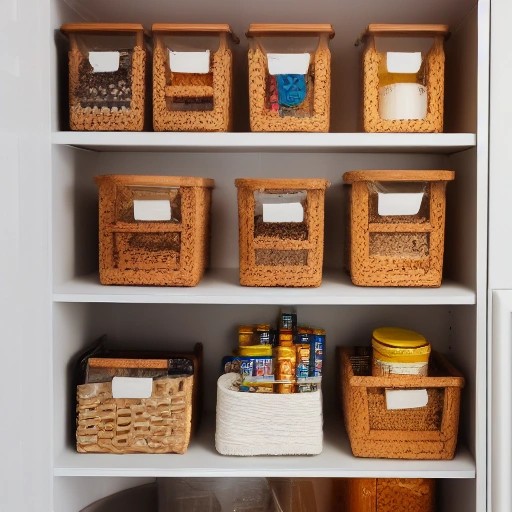
Transparent bins help you see what’s inside at a glance . Group similar items together—dishwashing supplies in one, surface cleaners in another, trash bags in a third . Label each bin so nothing gets forgotten .
Door-Mounted Racks
The inside of your cabinet door is prime real estate that often goes to waste . Install a small over-door rack or adhesive hooks for sponges, gloves, and brushes . Just don’t overload it—heavy items can strain the hinges .
A Lazy Susan for Small Items
A small turntable prevents the “black hole” effect under the sink . Place frequently used items like dish soap and hand soap refills on it. One spin brings everything within reach .
Under-Sink Storage Solutions Comparison
| Method | Best For | Effectiveness | Difficulty | Approx. Cost |
|---|---|---|---|---|
| Pull-Out Drawer | Reaching the back of the cabinet | Very High | Medium | Medium to High |
| Tension Rod | Hanging spray bottles | High | Very Easy | Very Low |
| Clear Stackable Bins | Grouping by category | High | Very Easy | Low |
| Door-Mounted Rack | Sponges, gloves, small items | High | Very Easy | Low |
| Lazy Susan | Daily-use items in deep cabinets | Medium | Very Easy | Low |
| Waterproof Mat | Protecting cabinet from leaks | Essential | Very Easy | Low |
Organizing by Job, Not by Looks
The system that works day to day? Group supplies by what you use them for, not by brand or size .
A practical setup :
- One bin for dishwashing supplies (dish soap, sponge, scrub brush)
- One bin for surface cleaners (all-purpose spray, glass cleaner, wipes)
- One tray or caddy for tools (sponges, brushes, gloves)
- One container for trash bags or liners
- A small backup area for refills
When the counter needs a quick wipe, you grab one bin or one spray bottle without moving three others out of the way . If you have kids or roommates, this also cuts down on the “Where did you put the cleaner?” problem.
DIY Options for the Budget-Conscious
If you’re handy, building your own under-sink organizers can save money and create a custom fit .
- DIY sliding drawer: Mount a two-tiered drawer to one side of the cabinet so you don’t need a center support . It makes the bottom nice and open for large items.
- U-shaped shelf: Trace your plumbing and cut a shelf with a U-shape to wrap around the pipes . It looks custom but is just careful measuring and a steady hand.
- Backstock shelf: Install a narrow shelf high in the cabinet, above the pipes, for refills you don’t need daily .
Maintaining Your Organized Cabinet
Once you’ve set up your system, keep it that way with a quick monthly check . Toss expired products, wipe down any spills, and make sure supplies are replenished .
Kitchen hygiene tip: Keep a waterproof mat or tray on the cabinet floor to catch drips and prevent warped wood . Choose one with a small lip to contain spills .
FAQ: Your Under-Sink Storage Questions, Answered
1. What should I store under my kitchen sink?
Keep daily-use cleaners, dish soap, sponges, trash bags, and dishwasher pods. Move bulk paper towels, food, and medications elsewhere .
2. What’s the cheapest way to organize under the sink?
Use a tension rod for spray bottles and a few clear bins—you can do it for under $20 .
3. How do I protect my cabinet from leaks?
Place a waterproof mat or tray on the bottom to catch drips—this prevents wood damage .
4. What if my pipes make it hard to fit organizers?
Use adjustable shelves that wrap around pipes, install organizers on the door instead, or use small separate bins that can fit in odd spaces .
5. How do I keep things from getting messy again?
Group items by category, label containers, and do a quick check every month to declutter and replace used items .
6. Can I store food under the sink?
I don’t recommend it due to humidity and potential leaks—stick to cleaning supplies and non-edibles .
Conclusion
Storing cleaning supplies under a small kitchen sink doesn’t have to be a constant frustration. By starting fresh, measuring carefully, and using the right organizers for your space, you can transform that awkward cabinet into a functional storage zone. A tension rod for spray bottles, clear bins for grouping, and a few hooks on the door are all it takes to create a system that actually works.
*Remember: *The most organized cabinet is one you can maintain. Keep it simple, and you’ll never dread opening that door again.*
Which kitchen storage problem do you want solved next? Share your thoughts in the comments.
More kitchen organization guides and expert tips: