Why Is My Kitchen Always Cluttered and What Are the Real Kitchen Problems Guide Solutions
You spend twenty minutes cleaning the kitchen, turn around to wash one coffee mug, and somehow the counters look like a war zone again.
That defeated feeling is so common it almost seems normal. You start to believe your kitchen is just naturally messy or that you are bad at staying organized. But the truth is much simpler. Your kitchen is not cluttered because you are lazy or messy. It is cluttered because the way you use it every day clashes with the way it was designed. This guide reveals the real reasons your kitchen always feels crowded and gives you practical solutions that actually stick.
TL;DR
Kitchens feel constantly cluttered because of five hidden problems: too many items on the counters, no designated landing zones for daily items, poor drawer and cabinet layouts, mismatched storage containers, and a cleaning routine that only reacts instead of prevents. The solutions are not about buying expensive organizers or throwing everything away. They are about changing small daily habits and giving every single item a real home. Most fixes take less than one hour and cost under twenty dollars.
Key Takeaways
- Counters are not storage spaces. Every item on your counter creates visual noise.
- Flat surfaces attract clutter. If a spot is empty, stuff will land there within hours.
- Mismatched containers and lids create mental friction that leads to mess.
- You need a “closing shift” routine of five minutes each night.
- Good organization works with your natural habits, not against them.
Why Is My Kitchen Always Cluttered? The Five Hidden Reasons
You can scrub and tidy all day long, but if you are fighting against the way your kitchen actually works, you will never win. Let us look at the real kitchen problems guide solutions that target the root causes instead of just the mess itself.
Reason 1: Countertops Are Not Storage (But You Use Them That Way)
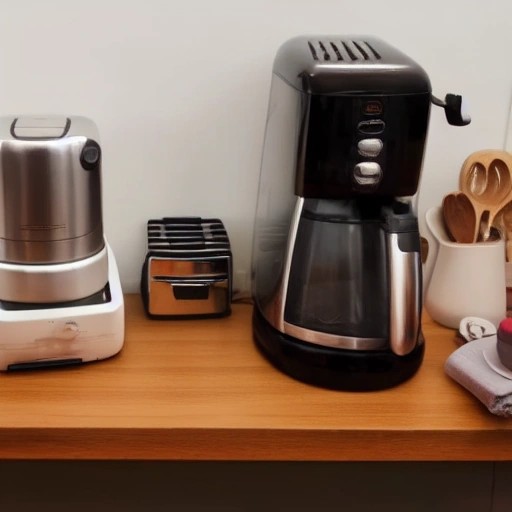
Walk into any cluttered kitchen. What do you see? A coffee maker here. A knife block there. A fruit bowl. A utensil crock. A paper towel holder. A spice rack. A stand mixer. A toaster. An air fryer. Before you know it, there is no empty counter space left to actually cook.
The hidden problem: Every appliance, tool, or decoration on your counter creates a visual anchor. Your eye lands on each one, and your brain reads that as “busy” or “messy” even if everything is perfectly clean.
Real solution: Do not ask yourself “Can this live on the counter?” Ask yourself “Do I use this every single day?” If the answer is no, it needs a home inside a cabinet.
How to do it right now:
- Remove everything from your counters except for one or two daily-use items.
- For one week, keep a small notebook nearby. Every time you reach for something in a cabinet, write it down.
- After one week, look at your list. Anything you reached for more than five times can earn a spot on the counter.
- Everything else stays put away.
“Your counter is a workspace, not a museum. Clear surfaces create calm minds.”
Reason 2: Flat Surfaces Are Clutter Magnets
Here is a truth about human behavior. If a flat surface is empty, something will land on it within hours. Mail, keys, your phone, a water bottle, a child’s homework, grocery receipts, a package you meant to return. Your kitchen counters, your island, and even the top of your microwave are all victims of this gravitational pull.
The hidden problem: You never created designated “drop zones” for incoming items. So they scatter across every flat surface they can find.
Real solution: You cannot fight human nature. Instead, redirect it.
What to do:
- Place a small tray or shallow basket near the kitchen entrance. That is the official landing zone for keys, mail, and phones.
- Install a small wall-mounted file holder for papers that need attention.
- Put a pretty bowl on one corner of the counter for small daily items like lip balm, hand lotion, or vitamin bottles.
- Set a daily rule: The tray and bowl can hold items overnight. The rest of the counter cannot.
| Flat Surface | Clutter Magnet For | Solution |
|---|---|---|
| Counter near door | Keys, mail, sunglasses | One small tray as official landing zone |
| Island | Grocery bags, packages, homework | Keep island completely empty except during cooking |
| Microwave top | Spices, cookbooks, mail | Install a wall shelf or leave empty |
| Stovetop | Spatulas, spoons, pot holders | Use a wall hook or drawer for tools |
| Sides of sink | Sponges, brushes, soap bottles | One small caddy or gooseneck soap dispenser |
Reason 3: The Container Chaos Problem
Open your cabinet where you store food storage containers. Is it a pile of mismatched shapes? Round containers next to square ones? Lids that have lost their partners? Stacks that topple over the second you touch them?
The hidden problem: Your brain has to work harder when things do not fit together nicely. That mental friction makes you less likely to put containers away properly. So you shove them in, the cabinet becomes a mess, and you avoid opening it. The mess spreads to the counters as you search for matching lids.
Real solution: A one-time investment in uniform containers changes everything.
How to fix it in one afternoon:
- Pull every single container and lid out of your cabinets.
- Recycle or donate any container without a matching lid. Do the same for any lid without a matching container.
- Recycle any container that is stained, cracked, or warped.
- Look at what remains. If you still have mixed shapes, keep only one shape. Square or rectangular stacks best.
- Buy one matching set of stackable containers in three or four sizes. Glass is easier to clean and see through.
- Store lids upright in a small bin or on a simple lid rack.
Reason 4: You Have a Reactive Cleaning Rhythm
Most people clean their kitchen the same way. They let dishes pile up for a day or two. They let counters get crowded with random items. Then they spend an hour or two on the weekend doing a huge cleanup. That pattern feels productive, but it actually creates more mess over time.
The hidden problem: Small messes attract bigger messes. A single dirty spoon on the counter makes it mentally easier to leave a second dirty spoon. Before you know it, the whole sink is full. You are not messy. You are just using the wrong cleaning rhythm.
Real solution: Switch from a weekly deep clean to a daily reset.
The five-minute nightly reset:
- Clear everything off the counters and put it where it belongs.
- Wipe down all surfaces with a damp cloth.
- Load the dishwasher or wash the few dishes in the sink.
- Sweep crumbs into a dustpan.
- Hang the dish towel neatly.
Do this every single night before bed. It takes five minutes. And you wake up to a calm kitchen every morning.
“A five-minute nightly reset saves you from a two-hour weekend nightmare. Choose your hard.”
Reason 5: Your Drawers and Cabinets Work Against You
Open a drawer in a cluttered kitchen. Spatulas slide under measuring cups. Whisks tangle with tongs. Can openers bury themselves under potato mashers. You have to dig for ten seconds to find anything. That friction makes you leave tools on the counter instead of putting them away.
The hidden problem: Your drawers have no internal structure. Everything shifts and slides and hides every time you open and close.
Real solution: Add simple dividers. You do not need expensive custom inserts.
How to organize each drawer:
- Utensil drawer: Use bamboo or plastic dividers to create separate zones for spoons, spatulas, serving forks, and measuring tools.
- Gadget drawer: Place small bins inside the drawer. One bin for can openers and peelers. One bin for thermometers and timers. One bin for bag clips and bottle openers.
- Junk drawer (everyone has one): Use a silverware tray to create small compartments. Keep it to one layer deep.
Drawer organization checklist:
- Every item has a specific zone.
- Zones are separated by dividers or small bins.
- Nothing is stacked on top of anything else.
- You can find any tool in under three seconds.
Step-by-Step Guide: Declutter Your Kitchen in One Weekend
You do not need to do everything at once. Pick one section each day. Work through this order for the best results.
Day 1: The Counters
- Remove every single item from your countertops.
- Wipe down the entire surface.
- Only put back items you use daily.
- Add a tray or bowl for incoming items.
Day 2: The Containers
- Empty your container cabinet completely.
- Recycle mismatched and damaged pieces.
- Organize remaining containers by size.
- Store lids in a separate bin or rack.
Day 3: The Drawers
- Empty one drawer at a time.
- Donate duplicate tools or items you never use.
- Add dividers or small bins.
- Return items in organized zones.
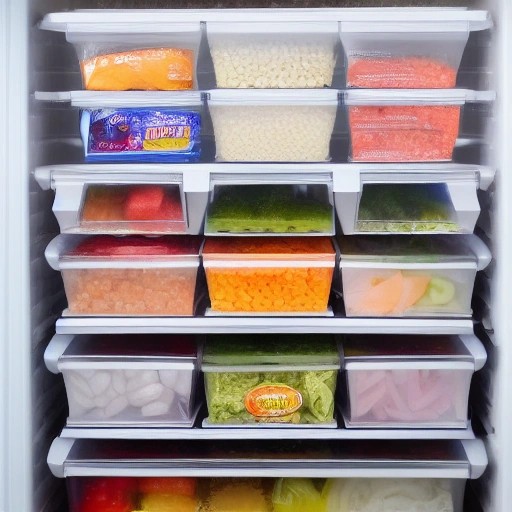
Day 4: The Refrigerator
- Pull everything out of your refrigerator.
- Wipe down all shelves and drawers.
- Check expiration dates on every item.
- Group like items together (dairy, condiments, produce, leftovers).
Day 5: The Pantry
- Remove everything from shelves.
- Wipe down each shelf.
- Group items by category (canned goods, pasta, baking supplies, snacks).
- Use clear bins to corral small items like spice packets or granola bars.
Day 6: Under the Sink
- Empty the cabinet under your kitchen sink.
- Check for leaks or dampness.
- Use a small shelf or tension rod to create two levels.
- Store cleaning supplies in a caddy for easy carrying.
Day 7: The Nightly Reset Habit
- Set a phone alarm for 9:00 PM every night.
- Spend five minutes doing the reset.
- Do not skip a single night for two weeks. After that, it becomes automatic.
FAQ: Kitchen Clutter Questions Answered
Why does my kitchen get messy again so fast after I clean it?
You are missing a daily reset habit. Cleaning once a week is not enough. Five minutes each night prevents the pileup.
How many appliances should I keep on my counter?
Two at most. Coffee maker and one other daily-use appliance. Everything else lives in a cabinet or pantry.
What is the best way to organize a small kitchen?
Use vertical space. Add shelves on empty walls. Use a magnetic strip for knives. Hang pots from a ceiling rack.
Should I buy clear containers for my pantry?
Yes. Clear containers let you see what you have without opening them. That alone reduces clutter because you buy fewer duplicates.
How do I keep my kitchen organized with kids?
Create low drawers or cabinets for their snacks and plates. Label everything with pictures or words. Make the nightly reset a family five-minute race.
Is minimalism the only way to have an uncluttered kitchen?
No. You can have plenty of tools and dishes. They just need designated homes. The problem is not how much you own. It is where you store it.
How long does it take to form the nightly reset habit?
About two to three weeks of consistency. Set a phone alarm. Do not negotiate with yourself. Just do the five minutes.
Final Thoughts: Clutter Is Not Your Character
A cluttered kitchen is not a moral failure. It is not proof that you are disorganized or lazy. It is simply the result of small systems that need adjusting. You do not need a full renovation or a professional organizer. You just need to understand why the mess keeps coming back and apply the fixes that target those real reasons.
Pick one thing from this kitchen problems guide solutions section and try it today. Clear one counter. Sort one drawer. Add one tray for incoming mail. Small changes add up faster than you think.
What is the one kitchen clutter problem you want to solve first? Tell me in the comments.
References: