Essential Pantry Staples Every Home Cook Should Keep: Your Stress-Free Kitchen Guide
You open your cabinets after a long day, hoping to throw together a quick dinner — but all you see is a half-empty box of stale crackers, a can of beans from who-knows-when, and absolutely no idea what you can actually make.
TL;DR: A well-stocked pantry is the secret to stress-free cooking. You do not need every spice or every grain — just the versatile staples that let you build meals from what you already have. The essentials fall into six categories: oils and fats, spices and seasonings, dry goods (rice, pasta, flour, sugar), canned and jarred goods (tomatoes, beans, broths), condiments (soy sauce, mustard, hot sauce), and fridge/freezer extras (eggs, butter, lemons, garlic). Start with these basics, then customize based on the five meals you cook most often. A good pantry means grocery shopping becomes about buying fresh produce and protein — because you already have the foundation at home.
Why a Well-Stocked Pantry Changes Everything
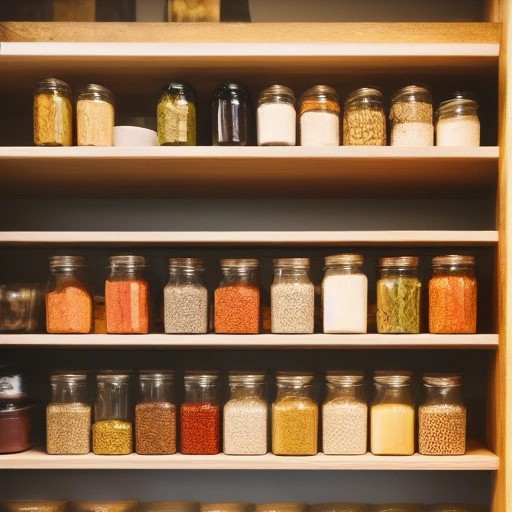
A stocked pantry is not about having a wall of matching jars or enough food to survive an apocalypse. It is about having the building blocks of good cooking always within reach. When you have rice, canned tomatoes, onions, and spices on hand, you are never more than 20 minutes away from a decent meal .
The beauty of pantry staples is that they are shelf-stable (they do not go bad quickly), affordable (especially when bought in bulk), and versatile (one ingredient can work in dozens of recipes) . Think about canned chickpeas: you can roast them for a crunchy snack, mash them into a sandwich spread, toss them into a salad, or simmer them into a curry. That is value.
Think of your pantry as your safety net. On nights when you have no plan and no energy, your pantry catches you.
The Complete Pantry Staples List
This list is organized by category so you can shop strategically. Start with the “must-haves” in each section. Add the “nice-to-haves” over time as you discover what you actually cook.
1. Oils, Vinegars, and Fats
These are the foundations of cooking. You need fats for sautéing and roasting, and vinegars for acidity and brightness .
Must-Haves:
- Extra-virgin olive oil — For salad dressings, finishing dishes, and low-heat cooking. Look for a bottle you like the taste of, since you will use it raw .
- Neutral cooking oil (canola, vegetable, grapeseed, or avocado) — For frying, searing, and any high-heat cooking where you do not want the oil’s flavor to compete . Avocado oil has a high smoke point and is great for stir-frying.
- Distilled white vinegar — For cleaning, yes, but also for adding bright acidity to sauces, dressings, and braised greens. It is cheap and lasts forever .
Nice-to-Haves:
- Toasted sesame oil — A few drops add incredible nutty flavor to Asian dishes .
- Balsamic vinegar — Sweet and syrupy, perfect for salads and roasted vegetables .
- Apple cider vinegar — Milder than white vinegar, great in slaws and marinades .
- Coconut oil — For dairy-free baking or adding a hint of coconut flavor to curries .
2. Salt, Pepper, and Spices
Spices are where you build flavor. You do not need a 24-pack of exotic spices you have never heard of. Start with the basics and add as you go .
Must-Haves:
- Kosher salt — This is the workhorse salt for cooking. Diamond Crystal is a favorite in test kitchens because its flakes are easy to pinch and sprinkle evenly .
- Black peppercorns — Buy whole peppercorns and a pepper grinder. Freshly ground pepper is infinitely more flavorful than pre-ground .
- Garlic powder — Not garlic salt (which has salt added). Garlic powder adds savory depth to rubs, soups, and vegetables .
- Onion powder — Similar to garlic powder, this is a foundational flavor builder .
- Dried oregano — The most versatile dried herb. Works in Italian, Greek, and Mexican cooking .
- Paprika — Adds color and mild, sweet pepper flavor. Smoked paprika is a great upgrade when you are ready .
- Crushed red pepper flakes — For heat. A pinch wakes up almost any savory dish .
- Ground cumin — Earthy and warm. Essential for chili, tacos, curries, and roasted vegetables .
Nice-to-Haves:
- Dried thyme — Pairs beautifully with chicken, potatoes, and roasted vegetables.
- Ground cinnamon — Not just for baking. Cinnamon adds warmth to stews, chili, and coffee.
- Ground turmeric — Earthy and anti-inflammatory. Great in rice, soups, and golden milk .
- Za’atar — A Middle Eastern blend of herbs, sesame, and sumac. Amazing on eggs, flatbread, and roasted vegetables .
- Curry powder — A blend that varies by region. An easy way to add complex flavor to coconut milk-based dishes .
3. Dry Goods (Grains, Pasta, Baking)
These are your meal foundations. When you have grains and pasta, you have the base for dozens of dishes .
Must-Haves:
- White rice (long-grain or medium-grain) — Long-grain (like jasmine or basmati) is fluffy and separate. Medium-grain (like sushi rice) is stickier. Pick one that matches your cooking style .
- Dried pasta (at least two shapes) — Choose one long shape (spaghetti or bucatini) and one short shape (mezzi rigatoni, penne, or fusilli). Different shapes work better with different sauces .
- All-purpose flour — For thickening sauces, coating chicken, and baking. Keep it in an airtight container to keep bugs out .
- Granulated sugar — Balances acidity in tomato sauce, adds sweetness to baked goods, and helps with browning .
- Brown sugar — For baking, glazes, and barbecue sauces. It stays soft if you keep it in an airtight container .
Nice-to-Haves:
- Quinoa — A protein-rich grain that cooks in 15 minutes. Rinse it before cooking to remove bitterness .
- Rolled oats — For oatmeal, baking, and as a binder in meatloaf or veggie burgers .
- Breadcrumbs — For topping casseroles, breading chicken, or adding texture to pasta .
- Baking powder and baking soda — Essential for any baking. Replace them every six months — old leavening agents lose their power .
4. Canned and Jarred Goods
These are your shortcut ingredients. Canned tomatoes, beans, and broths turn pantry meals into real dinners .
Must-Haves:
- Canned whole or crushed tomatoes — The backbone of countless sauces, soups, and stews. Whole tomatoes are often higher quality because they are packed in juice, not puree .
- Canned beans (chickpeas, black beans, or cannellini) — Rinse them before using to remove excess sodium. Chickpeas are the most versatile: roast them, mash them, or toss them into salads .
- Chicken or vegetable broth (boxed or concentrate) — Boxed broth is convenient. Better Than Bouillon concentrate lasts longer in the fridge and tastes better than most boxed options .
- Canned coconut milk — For curries, soups, and dairy-free creamy sauces. Full-fat is best for cooking .
Nice-to-Haves:
- Tomato paste — Super-concentrated tomato flavor. A tablespoon adds depth to sauces, stews, and braises. Store leftovers in the fridge covered with a thin layer of oil .
- Canned tuna or salmon — For quick salads, sandwiches, or pasta. Look for pole-caught or sustainable options .
- Jarred artichokes or roasted red peppers — For adding to pasta, sandwiches, or antipasto platters .
- Chipotle peppers in adobo sauce — Smoky and spicy. A little goes a long way. Freeze leftovers in an ice cube tray .
5. Condiments and Sauces
These are your flavor bombs. A spoonful of the right sauce transforms a simple bowl of rice and beans into something craveable .
Must-Haves:
- Soy sauce or tamari — Adds salty, savory umami to everything from stir-fries to marinades. Tamari is gluten-free .
- Dijon mustard — For vinaigrettes, marinades, and sandwiches. Maille is a reliable brand .
- Hot sauce (like Tabasco, Cholula, or Sriracha) — A few dashes wake up eggs, soups, tacos, and rice bowls .
- Ketchup and mayonnaise — The classic duo. Useful for burgers, fries, and as a base for other sauces (remoulade, fry sauce, Thousand Island) .
Nice-to-Haves:
- Fish sauce — Smells funky but adds incredible depth to Southeast Asian dishes and even pasta sauces. A little goes a long way .
- Chili crisp — Crunchy, spicy, and addictive. Lao Gan Ma is the classic brand. Put it on eggs, rice, dumplings, or vanilla ice cream (trust me) .
- Worcestershire sauce — Adds tangy, savory complexity to meatloaf, marinades, and bloody marys .
- Maple syrup or honey — For sweetening dressings, glazing vegetables, or adding to tea and oatmeal .
6. Fridge and Freezer Staples (The Perishable Essentials)
These are the fresh ingredients that make everything better. They do not last forever, but they are worth buying weekly .
Must-Haves:
- Eggs — The ultimate protein. Breakfast, lunch, or dinner. They also help bind meatballs, breading, and baked goods .
- Butter (salted and unsalted) — Unsalted for baking (so you control the salt). Salted for everything else. It freezes well .
- Garlic — Fresh garlic is irreplaceable. Buy whole heads, store them in a cool, dry place, and use them within a few weeks .
- Onions (yellow or red) — The foundation of almost every savory dish. Store them in a cool, dark place — not next to potatoes (which release moisture and make onions spoil faster) .
- Lemons — Fresh lemon juice brightens everything: vegetables, fish, salad dressings, soups, and even stale-tasting leftovers .
Nice-to-Haves:
- Parmesan cheese — A block of real Parmigiano-Reggiano lasts for months in the fridge and adds salty, nutty umami to pasta, eggs, and roasted vegetables. Wrap it in wax paper, then foil .
- Fresh herbs (parsley, cilantro, or dill) — Parsley and cilantro are cheap and make everything look and taste more finished. Store them like flowers in a glass of water in the fridge .
- Frozen dumplings or potstickers — A lifesaver for lazy nights. Boil, steam, or pan-fry in 10 minutes .
- Frozen vegetables (edamame, peas, spinach) — No chopping, no waste. Toss them into soups, stir-fries, or pasta at the last minute .
How to Customize This List for Your Cooking Style
This master list is a starting point. The best pantry is the one that reflects how you actually cook .
The Five-Recipe Method: Write down the five meals you cook most often. List every ingredient from those recipes. Now look at what is on this list and what is missing. Those missing ingredients are your personal pantry staples. If you make tacos every week, you need corn tortillas and cumin. If you make stir-fry, you need soy sauce and ginger. If you make pancakes on Sundays, you need flour and baking powder .
Think about your favorite cuisines. If you cook a lot of Italian food, stock up on canned tomatoes, dried oregano, and several shapes of pasta. If you cook Chinese food, you will want light and dark soy sauce, sesame oil, and chili crisp . If you lean plant-based, double down on beans, lentils, and whole grains .
Your pantry should grow with you. Start small. Cook. Notice what you run out of. Buy more of that.
Storage Tips to Make Staples Last
Even shelf-stable ingredients can go bad if you store them wrong. Here is how to keep things fresh .
Keep spices in a cool, dark place. Not above the stove. Heat, light, and humidity ruin spices. If your spice jars are more than a year old, smell them. If they smell like nothing, replace them .
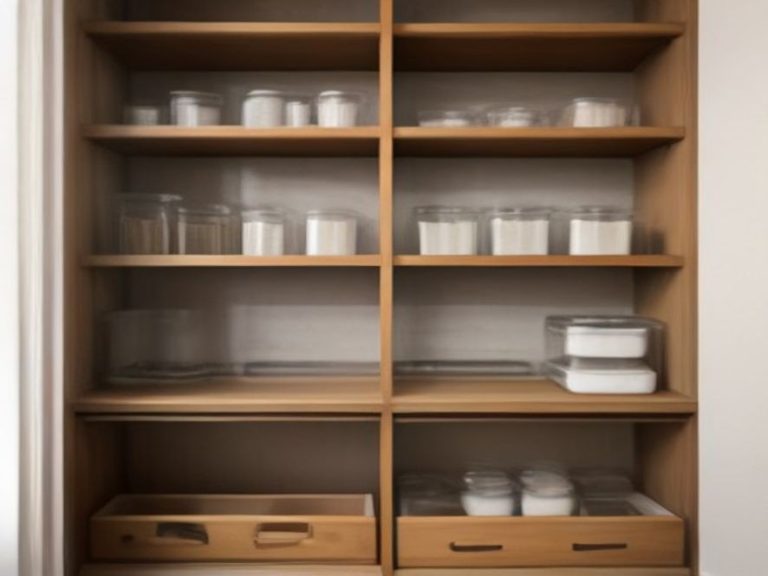
Use airtight containers for dry goods. Flour, sugar, rice, and oats can attract pantry moths. Store them in sealed glass or plastic containers. It also keeps them from spilling everywhere .
Write dates on everything. When did you open that jar of tomato paste? When did you buy that bag of flour? A piece of masking tape and a marker take two seconds and save you from guessing if something is still good.
Rotate your stock. When you buy new canned beans, put them behind the old ones. Use older items first. This is called FIFO (first in, first out), and it is how restaurants manage inventory .
Check expiration dates every six months. Go through your pantry twice a year (try when the clocks change) and toss anything that is expired or smells off.
What to Skip (At Least at First)
Do not buy a 24-spice starter pack. You will use five of them, and the rest will sit there until they turn into brown dust. Buy spices individually based on recipes you actually make .
Do not buy specialty flours (almond, coconut, rye) unless you have a specific plan. They are expensive and go rancid faster than all-purpose flour.
Do not buy giant containers of anything you have never used before. Buy the small jar of fish sauce. If you use it up, buy the big one next time.
The pantry is not a museum. It is a toolbox. You do not need every tool — just the ones you actually use.
FAQ: Quick Answers About Pantry Staples
How do I start a pantry from scratch with a limited budget?
Buy the “must-haves” in each category over two to three shopping trips. Start with rice, pasta, canned tomatoes, onions, garlic, oil, salt, and a few spices. That is enough to make dozens of meals. Add one or two new staples each week .
What is the most versatile pantry staple?
Canned chickpeas. You can roast them, mash them, add them to soup, toss them in a salad, or blend them into hummus. They are cheap, filling, and packed with protein and fiber .
How long do pantry staples really last?
Canned goods last 2-5 years (but eat them sooner for best flavor). Dried beans and lentils last 1-2 years. Spices last 6 months to 1 year — after that, they lose potency. Flour and sugar last 1-2 years if stored properly. Oil lasts 6 months to 1 year, longer if kept cool and dark .
Do I need organic everything?
No. For pantry staples, prioritize organic for the “Dirty Dozen” (produce with high pesticide residue) and the “Clean Fifteen” (produce with low residue) — but for canned beans, rice, and pasta, conventional is fine. If budget is tight, skip organic entirely and just eat more plants .
What about food allergies or dietary restrictions?
Gluten-free? Swap regular pasta for brown rice or chickpea pasta, use tamari instead of soy sauce, and buy gluten-free oats. Dairy-free? Use coconut milk or olive oil instead of butter. Plant-based? Double down on beans, lentils, tofu, and nutritional yeast for cheesy flavor .
How do I know when a spice has gone bad?
Smell it. If it smells like nothing — or like dust or cardboard — it is dead. Replace it. Fresh spices should smell vibrant and distinct. Cumin should smell earthy. Oregano should smell like pizza .
What is the one ingredient I should always have in my fridge?
Lemons. A squeeze of fresh lemon juice brightens up almost any savory dish: vegetables, fish, chicken, soups, salads, even stale leftovers. If you do not have fresh lemons, keep a bottle of lemon juice in the fridge .
The Bottom Line
A well-stocked pantry is not about having a perfect, Instagram-worthy cabinet. It is about making your life easier. It is about coming home tired and knowing you can make dinner without a trip to the store. It is about saving money by cooking at home instead of ordering takeout. It is about the quiet confidence of looking at a can of tomatoes and a box of pasta and seeing dinner.
Start with the basics. Cook the meals you already know. Pay attention to what you run out of. Buy more of that. Over time, your pantry will fill itself with the ingredients that matter to you.
You do not need to buy everything on this list today. Buy five things. Cook with them. Buy five more. Your pantry will grow with your cooking.
Which pantry staple do you reach for most often? Share your thoughts in the comments.
References:
- Baked by Melissa: Full Kitchen & Pantry Staples List
- Bon Appétit: Pantry Starter Kit — What to Restock Immediately
- University of Kentucky: Pantry Power — Stretching Your Food Budget
- Food & Home Magazine: The Pantry Staple Doing the Most for the Least
- Johns Hopkins University: Indispensable Pantry Staples
- Nigella.com: Ingredients to Always Have in the Kitchen
- NC Cooperative Extension: Starting a Well-Stocked Kitchen Pantry
- The Kitchn/AOL: Well-Stocked Pantry List for Every Kitchen