How to Remove Kitchen Fish Smell Quickly: Your Complete Kitchen Odor Removal Guide
That sharp, lingering fish smell after cooking seafood can make your whole kitchen feel unwelcoming for hours or even days.
TL;DR: Fish odors stick to surfaces, air, and fabrics because of natural oils and proteins. To remove the smell fast, focus on boiling vinegar water, using stainless steel “soap,” deep-cleaning your kitchen sink and trash can, and neutralizing airborne particles with baking soda or activated charcoal. Most fixes take under 10 minutes.
🔵 Key Takeaways
- Fish smell comes from trimethylamine, a compound that heat releases into the air and onto surfaces.
- Boiling a pot of water with white vinegar is the fastest way to neutralize odors in the air.
- Stainless steel (running under cold water) chemically removes fish smells from your hands and utensils.
- Your kitchen sink, garbage disposal, and trash can are top hiding spots for fish odors.
- Baking soda, lemon, and coffee grounds work well to absorb smells without harsh chemicals.
The Real Causes Behind Fish Smells and How to Fix Them Fast
Fish smells don’t behave like other cooking odors. When you fry or bake fish, heat breaks down natural compounds into tiny molecules that float through your kitchen and stick to almost everything. The main troublemaker is a chemical called trimethylamine. It’s the same compound found in spoiled seafood and even bad breath after eating fish.
The good news? You don’t need fancy sprays or hours of scrubbing. Most solutions are already in your pantry.
Why Fish Smells Stick to Your Kitchen Sink, Garbage Disposal, and Trash Can
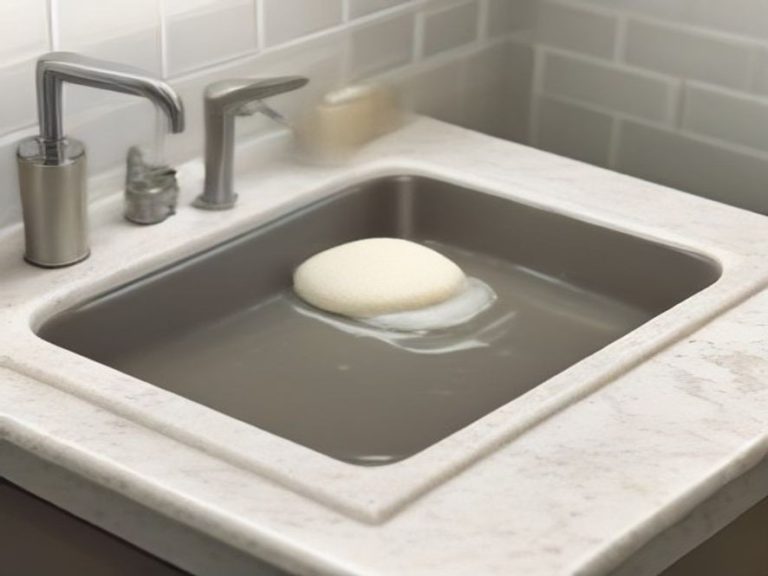
Your kitchen sink is the number one hiding spot for fish odors. When you rinse fish scraps or wash a cutting board, tiny bits of oil and flesh get trapped in the drain, garbage disposal blades, and the rubber splash guard. Over hours, those bits break down and release that unpleasant smell right back into your cooking space.
Your kitchen trash can is another major culprit. Raw fish packaging, skin, and bones sitting in warm trash release smells that spread fast. Even if you take the bag out, residue on the can lid or sides keeps the odor alive.
Step-by-Step Guide: How to Remove Fish Smell from Your Kitchen in Under 10 Minutes
Follow these steps in order for the quickest results.
Step 1: Boil Vinegar and Water on the Stove
Fill a medium pot halfway with water and add half a cup of white vinegar. Bring it to a boil on your oven, then lower the heat and let it simmer for 5 to 10 minutes. The vinegar steam neutralizes airborne fish molecules and deodorizes your stovetop area. You can also add a few slices of lemon or a cinnamon stick for a fresher scent.
Safety reminder: Never leave a boiling pot unattended, and keep children and pets away from hot steam.
Step 2: Clean Your Kitchen Sink and Garbage Disposal
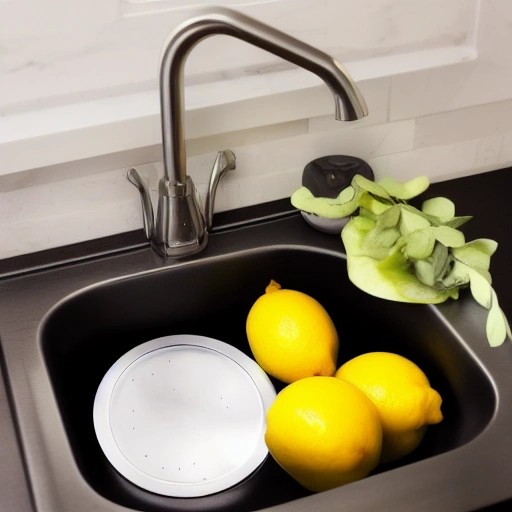
Sprinkle half a cup of baking soda directly into your kitchen sink. Follow with one cup of white vinegar. Let it fizz for 2 minutes. Then run hot water and turn on your garbage disposal. For extra power, grind a few ice cubes with lemon peels. Ice cleans disposal blades, and lemon peels leave a fresh scent.
“Most kitchen problems come from small maintenance habits that are often ignored. A weekly disposal cleaning prevents 90% of sour food odors.”
Step 3: Wash Your Hands and Utensils with Stainless Steel
Rub your wet hands with a stainless steel “soap” bar or any stainless steel spoon under cold running water for 30 seconds. The stainless steel bonds with sulfur compounds in fish oil and removes the smell instantly. This same trick works on knives, spatulas, and cutting boards.
Step 4: Deodorize Your Trash Can
Take the trash bag out. Sprinkle baking soda along the bottom and sides of the empty can. Let it sit for 5 minutes, then wipe clean with a damp paper towel and a few drops of dish soap. Place a dry coffee filter with two tablespoons of baking soda at the bottom of the new bag to prevent future smells.
Step 5: Set Out Odor Absorbers Overnight
Place small bowls of baking soda, activated charcoal, or fresh coffee grounds around your kitchen counter and near your refrigerator. These materials pull lingering odors out of the air without adding perfumes. By morning, your cooking space should smell completely neutral.
Comparison Table: Best Methods to Remove Fish Smell Fast
| Method | Purpose | Effectiveness | Difficulty Level | Cost |
|---|---|---|---|---|
| Boiling vinegar water | Air neutralization | High (90%) | Easy | Low |
| Baking soda + vinegar in sink | Drain and disposal cleaning | High (95%) | Easy | Low |
| Stainless steel rubbing | Hand and utensil deodorizing | Very High (99%) | Very Easy | Low (or free) |
| Activated charcoal bowls | Ongoing air absorption | Medium-High (85%) | Easy | Medium |
| Lemon + ice disposal grind | Disposal blade cleaning | Medium (70%) | Easy | Low |
| Coffee grounds | Surface and air absorption | Medium (75%) | Easy | Low |
Effectiveness of Common Kitchen Odor Removal Methods
How to Prevent Fish Smells Before They Start
The best way to remove fish smell quickly is to stop it from spreading in the first place. These small habits make a big difference.
Prep smart. Open a window or turn on your oven’s exhaust fan before you start cooking fish. Remove fish from the refrigerator 10 minutes before cooking, pat it dry with paper towels, and throw those towels directly into an outside trash bin.
Use the right cookware. A nonstick pan or stainless steel skillet with a tight-fitting lid traps fish smells. Cast iron can absorb fish odors over time, so save that for other meals.
Cover your kitchen sink drain. Place a small bowl or strainer over the drain while you clean fish. This catches tiny scales and bits before they go down and get stuck.
Empty trash immediately. After cooking, take the kitchen trash bag outside even if it isn’t full. Fish packaging and scraps left in a warm kitchen trash can for an hour will start smelling.
FAQ: Quick Answers to Common Fish Smell Questions
Why does my kitchen still smell like fish after cleaning?
Leftover oils on the kitchen sink drain, trash can lid, or your exhaust fan filter are the usual suspects.
How do I remove fish smell from my refrigerator?
Wipe all shelves with a mix of equal parts water and vinegar, then place an open box of baking soda inside for 24 hours.
What is the best way to clean a greasy oven after cooking fish?
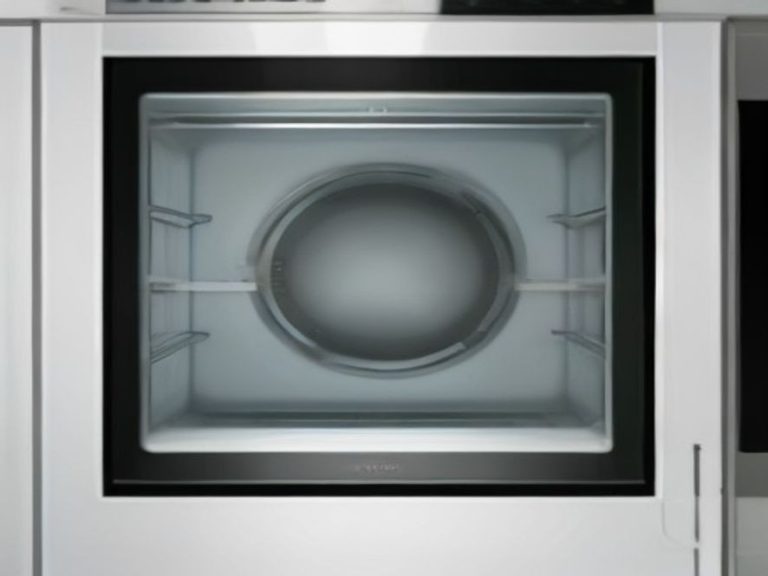
Make a paste of baking soda and water, spread it inside the oven, let it sit overnight, then wipe clean with vinegar spray.
Can I use bleach to remove fish smell?
No, bleach does not neutralize fish odors well and creates harsh fumes. Vinegar or baking soda are safer and more effective.
How do I fix a smelly garbage disposal after fish?
Grind half a cup of ice cubes with half a cup of rock salt, then run cold water for 30 seconds. Follow with lemon peels.
Does boiling lemon work better than vinegar?
Lemon smells nicer, but vinegar is stronger at breaking down fish compounds. Use both together for best results.
How often should I deep-clean my kitchen sink to prevent odors?
Once a week with baking soda and vinegar keeps drains clear and odor-free.
Natural Odor Absorbers That Keep Your Cooking Space Fresh
If you cook fish often, keep these natural absorbers in your kitchen full-time.
- Activated charcoal bags: Hang one near your trash can and another by your kitchen sink. They last six months.
- Baking soda jars: Poke holes in a jar lid and place under your kitchen sink cabinet.
- Houseplants: Spider plants and peace lilies naturally filter airborne compounds, including mild kitchen odors.
Rotate these absorbers every two months for best results.
When to Call a Professional or Check Your Appliances
Sometimes fish smell isn’t from cooking. A dead animal in your oven insulation, a leaking refrigerator drip pan, or old grease in your exhaust fan ducts can smell like bad fish. If you’ve tried all the steps above and the smell stays for more than two days, check these three places.
- Behind and under your refrigerator. Pull it out and clean the floor and drip pan.
- Your oven’s bottom panel. Remove it carefully and look for burned food debris.
- Your exhaust fan filter. Soak it in hot soapy water for 20 minutes.
Safety reminder: Always unplug appliances before cleaning or repairing them.
Which kitchen problem do you want solved next? Share your thoughts in the comments.
References: